Fans revolt Stellar Blade music video criticized as AI slop
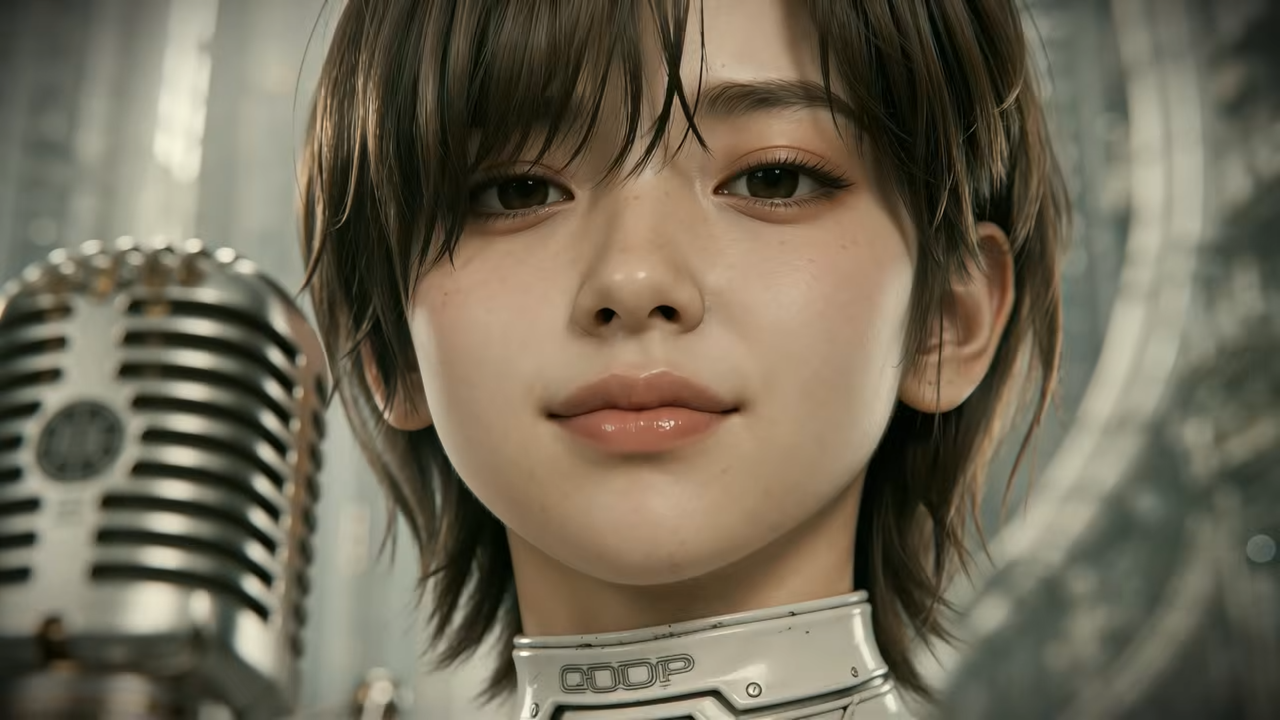
The world of gaming and entertainment is buzzing with a familiar tension: the collision of cutting-edge technology and artistic authenticity. This dynamic is currently playing out in the vibrant realm of action games, where a South Korean studio known for its stunning visuals, Shift Up, has sparked a fierce debate over the use of artificial intelligence in creative production.
The controversy centers around the promotion for the upcoming title, Stellar Blade: Blood Rain. Following the game’s reveal, the studio released an official music video for the song Wanna Be in Love, featuring the protagonist, Evie, in a stylized futuristic cityscape. While visually striking, the production process raised immediate questions about authorship.
The unsettling truth was revealed in the video’s fine print: it was generated using game resources from Stellar Blade: Blood Rain and regenerated with artificial intelligence support. Furthermore, logos for Shift Up’s Second Eve Studio and AI Labs appeared in the final credits, confirming the studio’s involvement in the generative process.
This transparency, however, did not silence the critics. For many fans, this move felt less like innovative promotion and more like an attempt to diminish the creative work of the talented artists and programmers behind the game. Online communities quickly erupted with strong feelings that the use of AI was stifling the genuine talent inherent in Shift Up’s output.
“You have such talented artists and programmers at Shift Up, please stop using this AI nonsense to stifle their work and give it a bad rep,” one vocal fan expressed, highlighting frustration over what they perceived as lazy content generation.
The sentiment echoed across the player base: there was a feeling that utilizing readily available resources for automated content cheapens the creative process. Fans argued that Shift Up possessed all the necessary in-house resources and funds to create high-quality material without resorting to AI shortcuts, insisting that it was a “slap in the face” to their creators.
It is worth noting that this push for accessible AI creation is not isolated to the gaming sphere. South Korea has reportedly embraced generative AI faster than many other nations, and high-profile K-Pop music videos have already been incorporating AI generation alongside real footage for several years. This trend suggests that integrating AI into media production is becoming a commonplace reality.
Even as developers push technological boundaries—with Shift Up maintaining that Evie’s appeal is deeper than mere physical attractiveness—the conversation remains focused on the ethics of creation. The incident underscores a broader question facing all creative industries: how do we balance the exciting potential of generative technology with the fundamental respect owed to human artistic labor?
Buy on Amazon
Credit