FF10 adopts fantasy after learning about LOTR
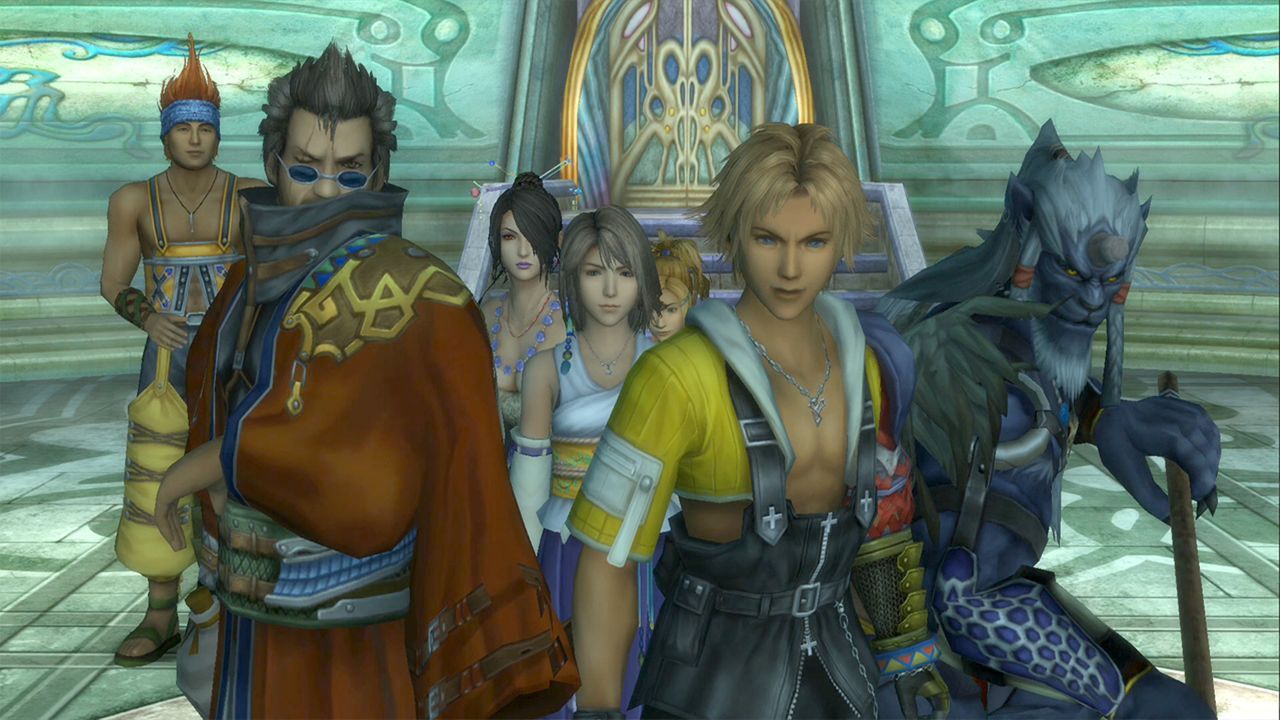
When you look back at some of gaming’s most iconic narratives, they often emerge from a moment of perfect timing—a confluence of artistic vision and global trends. The story of Final Fantasy 10 is a prime example of this, showcasing how a simple pivot in genre choice can redefine an entire world.
Celebrating twenty-five years since its launch, the original Final Fantasy 10 has become a treasured milestone for fans, prompting Square Enix to reflect on the journey of its creation. To honor this legacy, the company recently shared insights from series producer Yoshinori Kitase and legendary designer Takashi Tokita about the game’s production.
The decision to move away from the futuristic sci-fi aesthetic that had characterized earlier installments was not arbitrary; it was a calculated bet on the future. As developers were crafting the world of Final Fantasy 10, they keenly observed what cultural trends were dominating the cinematic landscape in Hollywood. They realized that the monumental adaptation of The Lord of the Rings into a sprawling trilogy was poised to become a defining global phenomenon.
This observation sparked an exciting idea: if fantasy was set to sweep the world, perhaps it was the next great global trend for interactive entertainment. By opting for a rich fantasy setting over continuing the sci-fi path favored by Final Fantasy 7 and 8, the team aimed to tap into this burgeoning appetite for epic, mythological storytelling.
The timing was masterful. Final Fantasy 10 began development in 1999 and launched just months before the theatrical releases of The Lord of the Rings: Fellowship of the Ring and Harry Potter and the Philosopher’s Stone captivated audiences worldwide. The game landed at a moment when epic fantasy was not just a possibility, but a powerful cultural force.
Beyond the genre shift, the emotional core of Final Fantasy 10 resonated deeply with players, exploring universal themes of burden and pilgrimage. Characters like Yuna and Frodo, though traversing different worlds, share an undeniable echo: they are tragic figures tasked with carrying burdens too heavy for themselves in the pursuit of saving the world.
This thematic depth was further enriched by a unique design philosophy. The developers sought to move beyond typical medieval European settings, drawing instead from Eastern influences to craft a truly distinctive atmosphere. This approach allowed them to maintain the high-stakes narrative while creating a setting that felt both familiar and profoundly new.
Ultimately, Final Fantasy 10 stands as a testament to the power of creative adaptation. It proved that by embracing the spirit of the times, blending established influences with original vision, games can transcend their genre and tap into something deeply emotional and universally appealing.
Buy on Amazon
Credit