FF7 Rebirth director knows players got tired of side quests in the open world
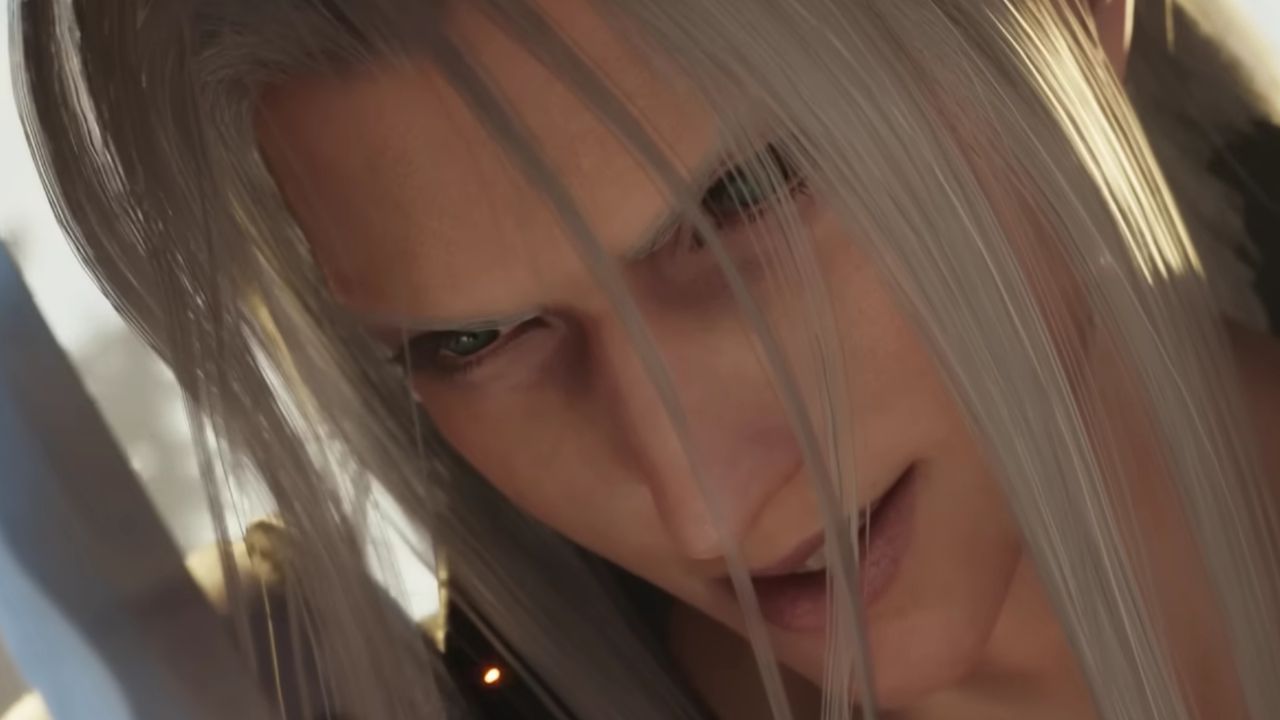
Sprawling worlds are wonderful, but sometimes, in the pursuit of boundless exploration, they can devolve into something overwhelming. This tension between ambitious scope and thoughtful design is a perennial challenge in the sprawling landscape of role-playing games, and veteran creators know exactly where that line can be crossed.
Naoki Hamaguchi, the legendary figure behind the Final Fantasy franchise, has offered some candid thoughts on navigating this complexity. When discussing titles like Final Fantasy 7 Rebirth, he points to the sheer volume of content as a significant factor.
“One of the things I think people got a little bit tired of – or maybe that’s when they stepped away from the game – was on the world map; there is a lot of content,” Hamaguchi explains. He highlights the sprawling nature of the open world and side quests as the source of this feeling.
The problem isn’t just having content; it’s how that content is structured. When the amount of exploration feels arbitrary, players can easily fall into the trap of simply ticking off tasks rather than genuinely engaging with the environment. Hamaguchi notes that sometimes players are pushed into completing specific mini-games just to unlock rewards like materia, regardless of their interest in the activity.
This highlights a crucial design dilemma: how do you build a world that feels vast and rewarding without feeling cluttered or arbitrary? Creating an expansive map requires careful curation. If too much content is dumped onto the player, it can quickly transform into a “mess of fairy lights,” leaving players unsure where to begin their journey.
This sense of balance isn’t unique to Final Fantasy. Hamaguchi has observed similar pitfalls in other sprawling RPGs, including titles like Assassin’s Creed games and even open-world behemoths like Skyrim, where the sheer scale can sometimes lead to a feeling of merely accomplishing tasks rather than experiencing true discovery.
The key takeaway is that simply being “bigger” doesn’t automatically equate to being “better.” Hamaguchi’s perspective suggests that future endeavors should prioritize quality and meaningful variety over mere quantity. He hopes that upcoming titles, such as Final Fantasy 7 Revelation, will focus on a more curated experience.
By focusing on varying the activities and rewards offered, designers can ensure that players are driven by genuine curiosity rather than feeling obligated to engage in tedious side loops. It is a reminder that world-building is less about adding more roads and more about designing meaningful destinations.
Credit