Fibbage Card Game Review and Gameplay
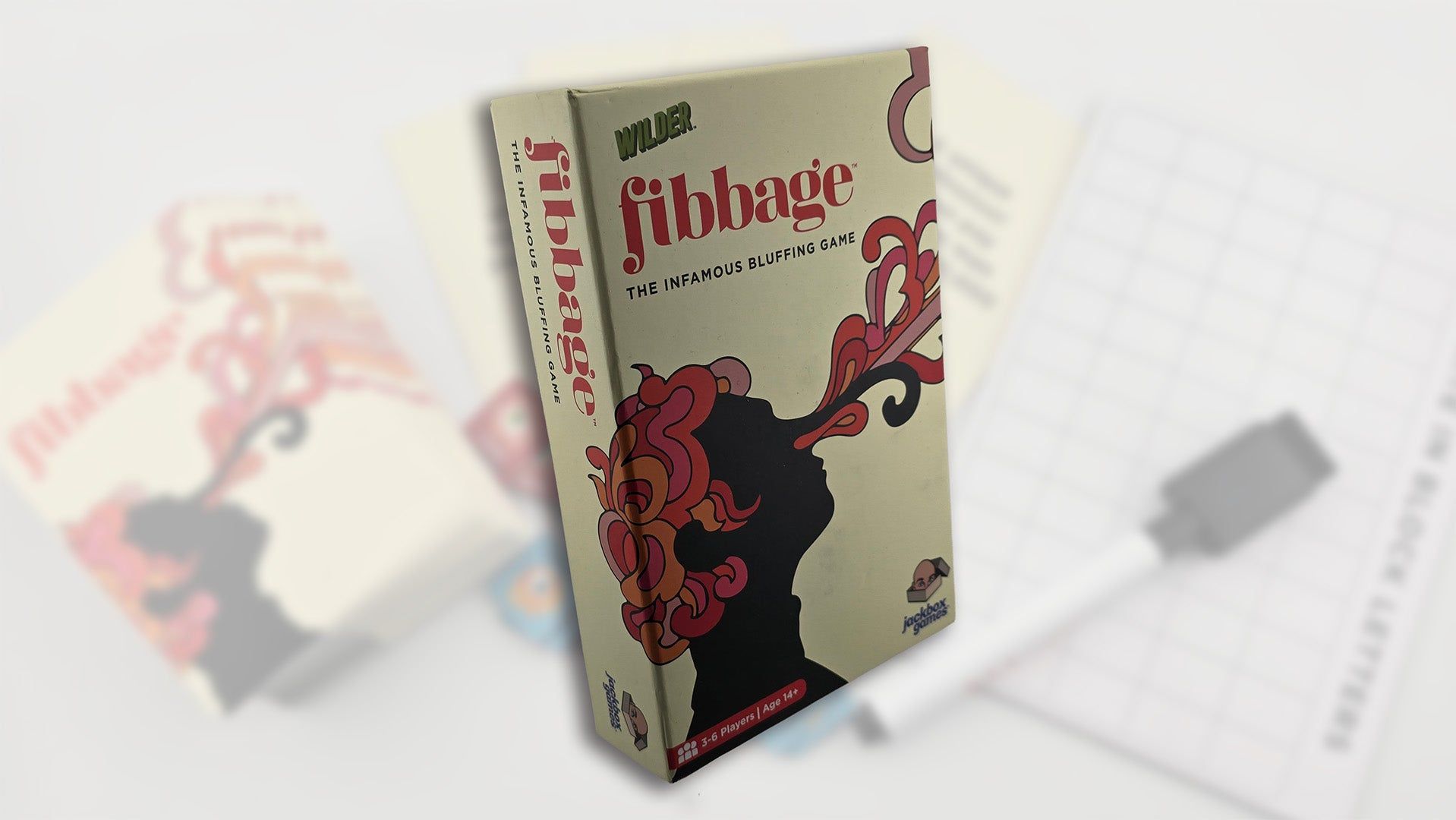
From the digital realm to the tabletop: some party games are simply built to evolve. The journey of the Jackbox digital hit Fibbage is a perfect example of this transition, moving seamlessly from screen-based bluffing to a tactile, card-based experience for board game nights.
The core mechanics remain delightfully simple. In Fibbage, players engage in a game of creative deception. One player acts as the “revealer,” drawing a prompt that contains a blank, and the rest of the group must write down a plausible answer to complete the prompt. The key twist is that the revealer holds the correct answer, and the other players submit their guesses. The game culminates in a voting period, where players tally their votes, earning points based on whether they correctly guessed the answer and whether their submission was chosen by the group.
This system of bluffing and deduction is the engine of the game. It requires more than just a funny response; it demands cleverness and creative thinking. Players are challenged not just to be witty, but to devise believable, yet ultimately false, narratives, which separates Fibbage from some of its flashier, more chaotic counterparts.
The physical adaptation successfully translates this intellectual challenge into a tangible experience. Inside the box, players find the necessary tools: a set of 300 unique prompt cards, dry-erase boards and markers for the answers, and voting tokens. The sheer volume of prompts ensures that game nights stay fresh, offering a wealth of eclectic topics, ranging from bizarre culinary creations to niche cultural references.
Beyond the immediate fun, the potential for expansion is enormous. Given the depth of the game’s mechanics and the range of prompts, the framework is ripe for further growth. Imagine themed packs of prompts or expanded sets of cards, allowing groups to dive even deeper into the realm of bluffing and invention.
While the core concept is robust, bringing a digital game to the physical format presents a minor logistical puzzle: the handwriting. Since the revealer holds the correct answer, there is a risk that group members might recognize submissions, especially in smaller groups. One clever workaround that players have discovered involves having the revealer compile all submissions onto a separate sheet of paper before the group votes. This simple step ensures that the votes remain tied directly to the submitted answer, keeping the focus firmly on the creative deception rather than forensic document examination.
Ultimately, Fibbage succeeds because it balances lighthearted entertainment with genuine mental engagement. It proves that some of the best party games are those that reward a sharp mind, making it an essential addition to any group looking for a game that even the grandmothers and grandpas can enjoy.
Credit