Fighting Souls Sales Data Spark Longevity Worry
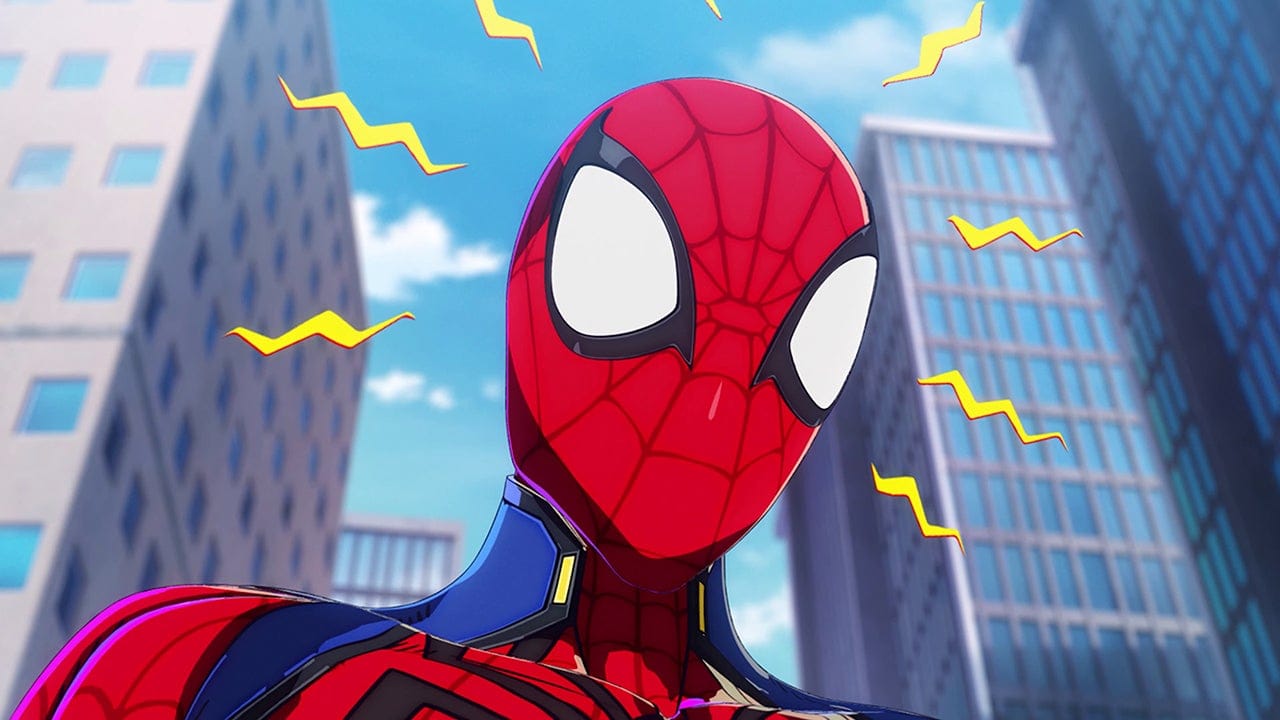
When a new fighting game lands, the hype is often immense. For Marvel Tokon: Fighting Souls, the initial excitement surrounding the tag-based title—born from the pedigree of Guilty Gear and Dragon Ball FighterZ—promised a fast-paced, thrilling experience. Yet, over a month after its release, the conversation has shifted from hype to a much more complex debate about the game’s longevity and the fractured experience it delivers across different platforms.
While the game has certainly found a loyal following on consoles, the data paints a picture of a stark platform disparity. The title has achieved considerable success on PlayStation, with 82% of copies sold there. However, the story tells a different tale on PC. Figures from Steam Charts show a comparatively smaller player base, with only 427 active PC players and a 24-hour peak of 791, highlighting a significant gap between console engagement and PC presence.
This disparity is further reflected in sales figures. Tokon has generated an estimated $49.7 million in revenue, selling approximately 750,000 copies across both platforms combined. Despite these impressive numbers, the community is focusing on the uneven distribution of that success, leading to questions about whether the game has the staying power required in a crowded market.
The journey to launch was not without its turbulence. The game faced significant issues with its initial PC port, a situation that caused considerable friction. Prominent community figures experienced frustration, with some even opting to uninstall the game during live streams, prompting the developers to quickly release a patch to address concerns. This experience underscored the difficulty of rebuilding player trust following a rough launch.
The current discourse centers on whether the game can mend this reputation and secure a future. Critics and fans are weighing the game’s potential against the demands of the community. One influential voice in the fighting game community, William ‘Leffen’ Hjelte, noted that unless the gameplay is significantly improved, he might drop the title, expressing concerns about the lack of serious player density compared to established rivals.
The debate touches on the core of fighting game development: the need for continuous evolution. While some voices feel that the game has been rushed, others point out that the initial launch occurred very recently, offering a chance for the developers to iterate and improve. There is a strong argument that the game, like many in the genre, requires time to mature and grow past its initial form.
Ultimately, the question remains: does Marvel Tokon: Fighting Souls have what it takes to thrive amidst fierce competition, or is it destined to become a niche title? The path forward depends on how quickly the development team addresses player feedback and delivers the content that the community is demanding.
Buy on Amazon
Credit
