Firearms Expert Reveals Common Gun Mistakes in Games
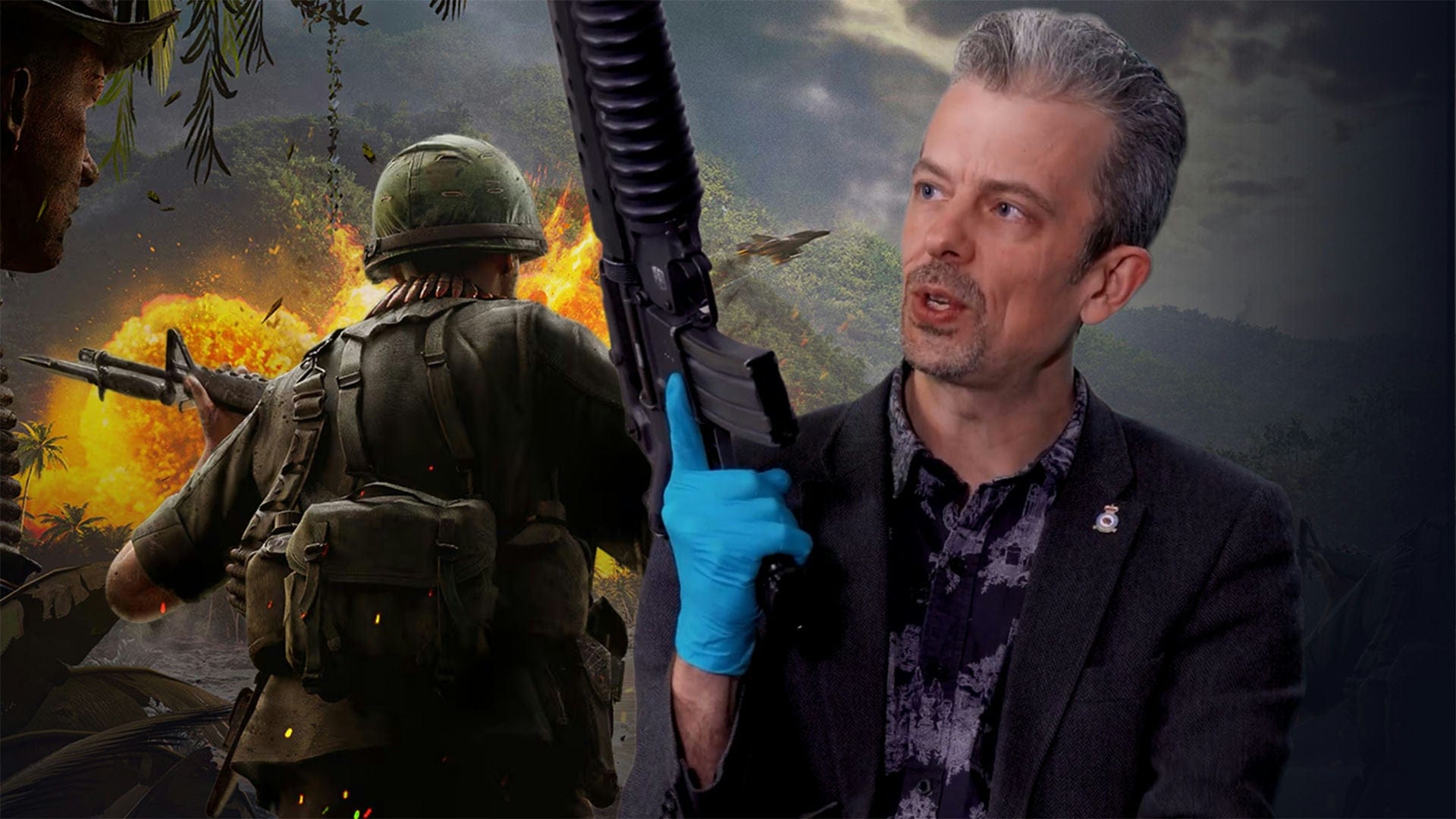
Jonathan Ferguson, a figure who bridges the dusty archives of history with the high-octane world of video games, has carved out a unique niche as an authority on firearms. As Keeper of Firearms and Artillery at the Royal Armouries Museum in Leeds, Ferguson brings an unparalleled perspective, delving deep into the mechanics and history of weaponry while simultaneously observing how those realities translate onto the digital screen.
His expertise extends beyond museum walls, where he consults with development studios like Team17, Facepunch, and Rebellion, ensuring that the weapons featured in games are not just aesthetically pleasing, but functionally accurate. This background has made him a vital voice in the ever-evolving discussion about firearms in interactive media.
One of the most persistent quirks in game design, Ferguson notes, is the treatment of shotguns. For years, these weapons in media often functioned more as loud knives than lethal instruments. However, the increasing detail in modern games—from titles like Insurgency: Sandstorm to Red Dead Redemption 2—is pushing for a more realistic depiction of these tools. As visual fidelity skyrockets, the question shifts from whether a weapon can be represented to how accurately that representation reflects physical reality.
Ferguson highlights the fine details that often get overlooked but add to the immersion, such as the realistic patterns of cartridge case ejection. This attention to minutiae demonstrates a growing demand for fidelity, even in elements that don’t directly impact gameplay.
The pursuit of realism, however, presents a fascinating paradox for developers. As visual detail increases, there is a challenge in balancing verisimilitude with gameplay. Ferguson observes that sometimes, to achieve a satisfying experience, games must become less realistic. A prime example is the depiction of pistol slides: they move slower than in reality to showcase the animator’s skill, ensuring the player perceives the action clearly, rather than suffering from impossible physics.
This tension underscores a deeper concept: the power of “meta.” Ferguson points out that the cultural fascination with certain weapons—like the AK-47—transcends mere function. It becomes an icon, a symbol of global conflict and, sometimes, liberation, occupying a unique position in popular culture that mirrors how weapons hold sway in the real world.
This cultural flow creates a powerful feedback loop. While films and games certainly influence our interest in weaponry, Ferguson argues that video games have moved beyond being merely shadows of movies. They provide a grounding understanding of weapon roles, technical accuracy, and the historical context of various firearms, offering a strong base knowledge about what a rifle, a pistol, or a shotgun is used for.
Despite the profound influence of interactive media, Ferguson cautions that simulation and reality remain separate entities. While games can illuminate the roles of weapons in warfare, they cannot replicate the visceral experience of actually handling a gun in combat. Nevertheless, the entanglement between media, reality, and our understanding of weaponry is only set to grow stronger. The story of firearms, from the Royal Armouries to the digital realm, is just beginning to unfold.
Buy on Amazon
Credit
