Former Dev Says Todd Howard blocks New Vegas Spinoffs in Elder Scrolls
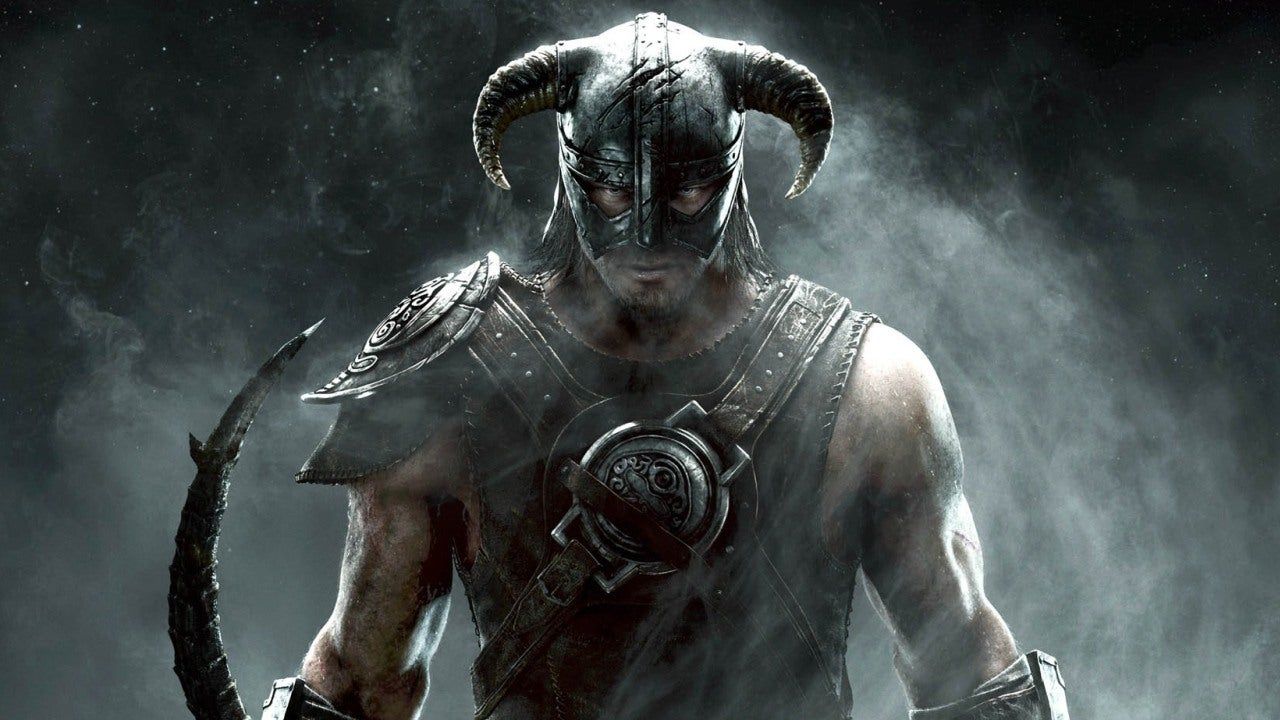
The fantasy landscape of The Elder Scrolls is vast and legendary, yet fans have long wondered why the franchise hasn’t embraced the same type of spinoff evolution that other Bethesda titles, like Fallout, have enjoyed. The answer, according to a former lead designer at the studio, lies not in a lack of opportunity, but in a very specific, highly protective approach to the iconic intellectual property.
Kurt Kuhlmann, who spent two decades shaping the vision for the franchise, offered insight into this dynamic during a recent discussion. He pointed out that the appetite for spinoffs, particularly those focusing on the post-apocalyptic or distinct gameplay styles seen in games like Fallout, often leads developers to seek out external opportunities. He suggested that the perceived gap is largely a reflection of corporate strategy rather than creative limitation.
“The whole New Vegas thing did create this, at least the perception of this, ‘Who makes a better Fallout game? Oh, they should just give it to Obsidian,'” Kuhlmann noted. He elaborated on the fan desire for games created by studios like Obsidian, who have carved out a unique space within the RPG genre.
Instead of pursuing a direct competitor, Kuhlmann indicated that the studio leadership is highly cautious. He stated that Todd Howard, in his capacity as a developer, is intensely protective of the Elder Scrolls brand. This focus led to a strategic pivot, allowing the franchise to explore other avenues.
This pivot arguably found its outlet in The Elder Scrolls Online (ESO). The multiplayer offshoot, launched in 2014, took the franchise in a direction distinct from the typical single-player experience, successfully carving out its own significant history within the community. Kuhlmann suggested that ESO fulfilled a different kind of creative need:
“There are a lot of people for whom The Elder Scrolls is now ESO,” he explained. “That’s their experience with it. That’s what they love, and that’s where they got their Elder Scrolls gaming experience, and that’s probably what they want more of.”
Ultimately, Kuhlmann suggested that ESO served as a way to signal that the development team was actively engaging with the IP, demonstrating that they were “doing something with Elder Scrolls” by creating a unique, living experience for its audience.
While the road for a traditional, massive spinoff might remain elusive, the focus remains firmly on the next monumental installment. The anticipation builds for The Elder Scrolls 6, a project announced in 2018, which is now poised to be a landmark moment for the franchise. With the development timeline for future entries stretching out, fans must settle for the incredible world-building they have already received while waiting for the next grand adventure in Tamriel.
Buy on Amazon
Credit
