Former Valve writer: Giant teams only work for GTA 6
In the vast, sprawling landscape of the video game industry, the pursuit of massive scale often seems to be the golden rule. Yet, veteran creators argue that size isn’t the measure of quality—it’s just noise. Chet Faliszek, a writer and long-time veteran of Valve, suggests that the industry’s tendency toward gargantuan development teams is often counterproductive to making truly great games.
When asked why Valve doesn’t engage in massive hiring sprees, Faliszek points to a fundamental truth: games aren’t made by 10,000-person teams. He contends that these enormous structures simply fail to function effectively. While developers acknowledge that behemoths like a two-billion-dollar exercise such as GTA 6 might require an immense number of hands, Faliszek argues that a monster-sized sensation like Rockstar‘s output is the rare exception to a reasonable rule.
The issue isn’t just about cost; overly large teams introduce significant inefficiencies. Faliszek notes that this bloat often leads to time-wasting, citing indecision and backtracking as the true culprits behind lengthy development cycles. He posits that these systemic problems eat up more time than pure production challenges.
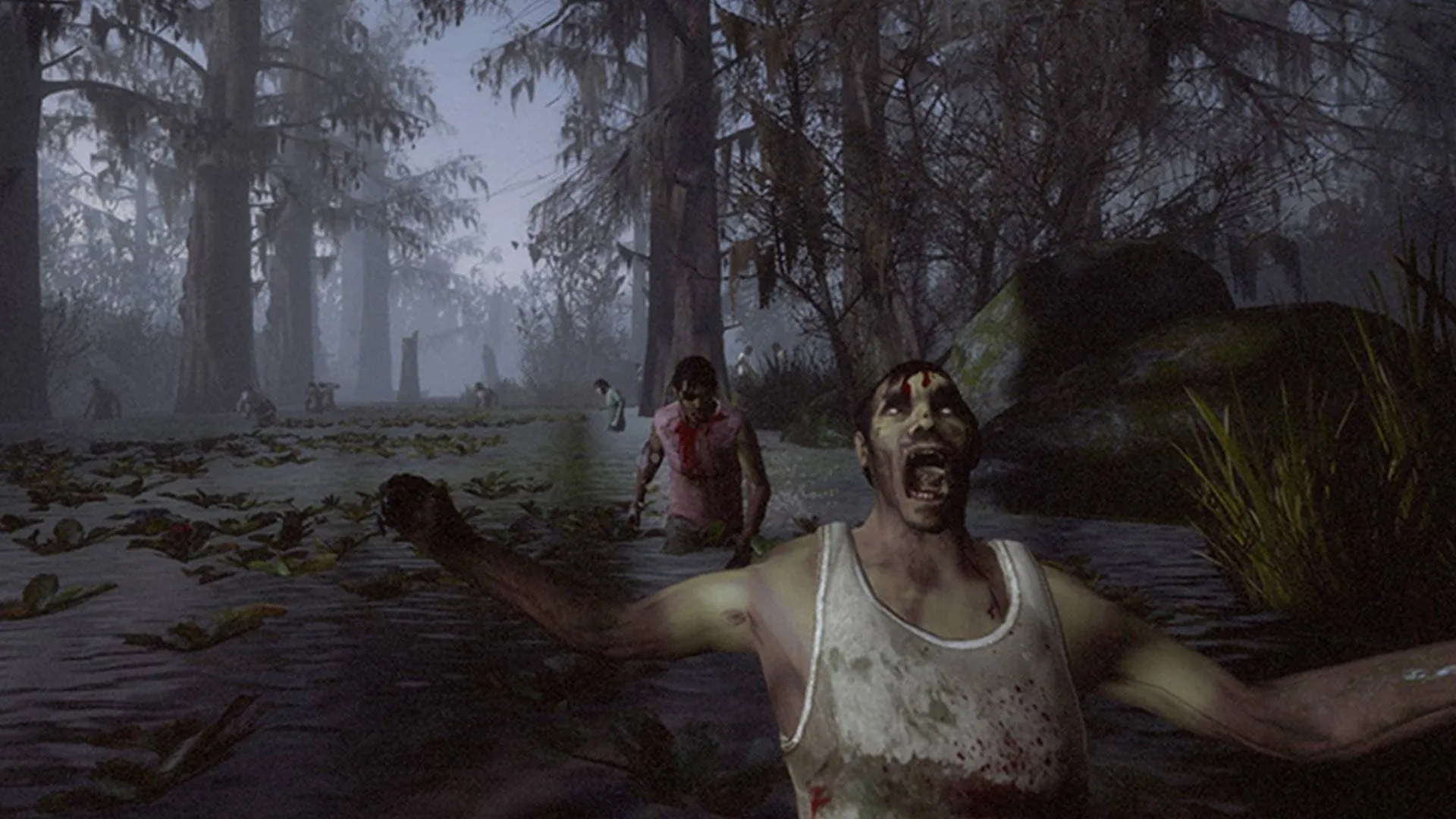
This focus on process over sheer headcount is reflected in the history of major game development. Faliszek recalls how massive publishers often prioritize volume, exemplified by how the Assassin’s Creed publisher appears to staff hundreds of artists. He suggests that by focusing on a smaller, more cohesive group, teams can achieve better results. In contrast, Valve’s own success with titles like Left 4 Dead 2, which was developed by a relatively small crew of 45 people, demonstrates the power of focused execution.
For Faliszek, the ideal creative environment hinges on presence. He believes that the magic happens when developers are in the same room—or at least sharing the same digital space—allowing for immediate feedback and true synergy. When teams are spread out, he points to the challenges of remote work, describing it as a “whisper network” where ego can creep in, leading to decisions made without full consensus.
Ultimately, the critique is not against ambition, but against misplaced priorities. Faliszek calls for the industry to recognize that while there is certainly room for big projects, true quality comes from focused oomph. The goal should be to ensure that what is released carries meaningful weight, driven by focused execution rather than simply multiplying the number of people at the table.
Buy on Amazon
Credit