Fortnite art updated after AI watermark discovery
The AI Watermark That Rocked Fortnite: A Look at Epic Games‘ Art Shuffle
In the digital playground of Fortnite, where creativity flows as freely as battle royale, a subtle but curious artifact recently caused a stir among fans. The source of the commotion? A telltale sign of artificial intelligence embedded in some of the in-game artwork.
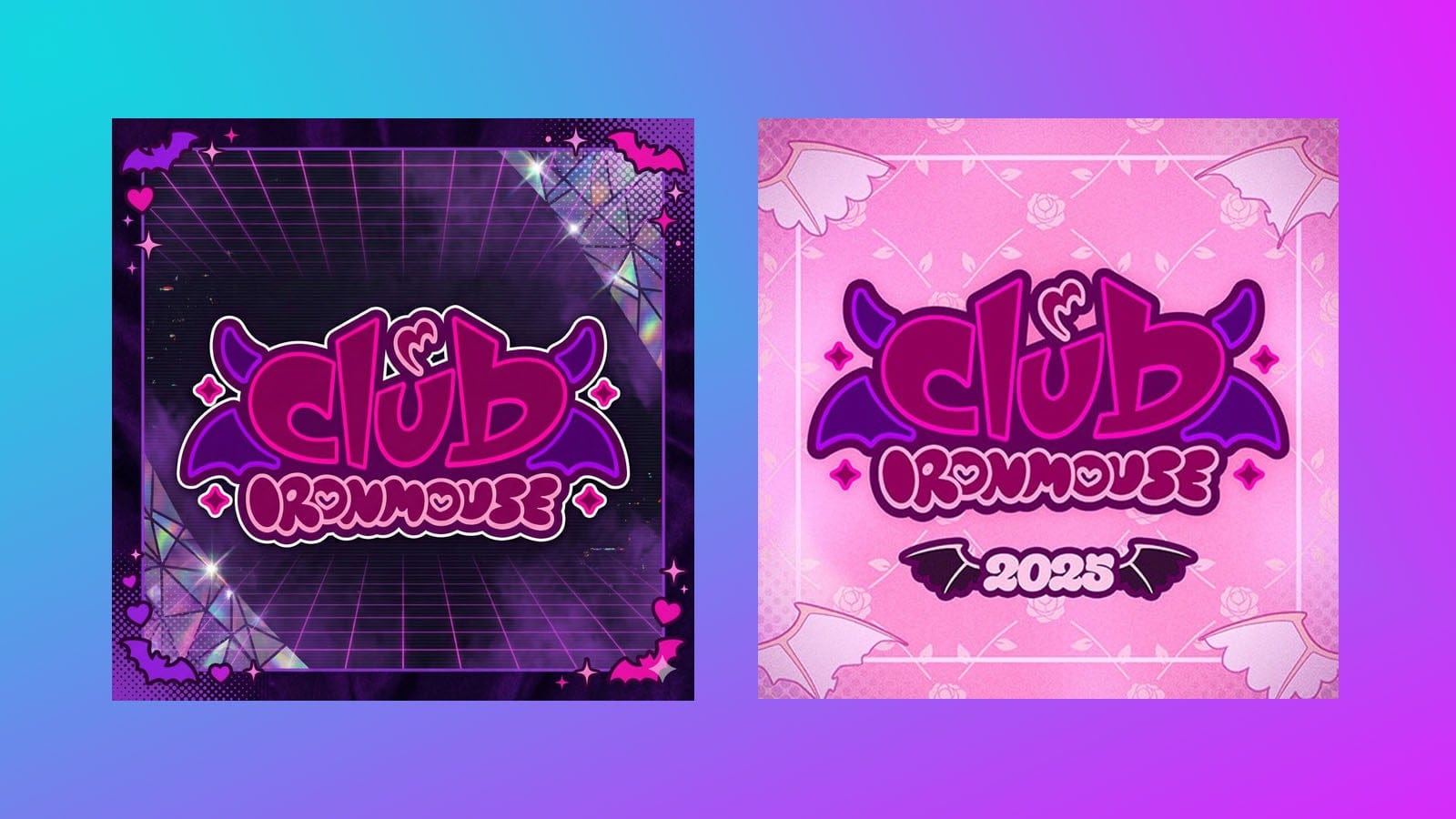
Last month, Epic Games added a new music track, “Meow” by Ironmouse, Sleeping Forest & HalaCG, to the game. Unfortunately, the artwork accompanying this track featured a clear Gemini AI watermark in the bottom right corner. While this might seem like a minor detail, it drew attention, sparking a lighthearted kerfuffle on social media and across the Reddit community.
The immediate reaction was less about outrage and more about the sheer absurdity of seeing an AI stamp in a high-energy game environment. However, the incident quickly led to an interesting conversation about the role of generative AI in game development and the ownership of artistic creations.
As the public debate over AI-generated art in gaming heats up—with fans pointing to previous, more extreme examples of AI art—the situation in Fortnite, the focus has shifted from the art itself to the process behind it. Epic Games has always maintained a cautious stance, preferring to let their development process speak for itself rather than make sweeping public declarations about every piece of content.
This cautious approach is underscored by the fact that the original Gemini watermark was present not just in the in-game assets, but also on the Spotify track itself. This revelation pointed out that the origin of the AI usage lay with the creator of the track art, rather than directly with Epic Games.
In a subtle, yet telling move, Epic Games addressed the situation by replacing the artwork with an alternate version that conspicuously lacked the watermark. This switch was seen as a positive signal, suggesting a desire to avoid openly showcasing artwork with obvious AI elements within the game environment.
This move reflects a broader strategy: maintaining a veneer of quality while navigating the complex ethical waters of using generative AI. While the community continues to scrutinize how AI shapes the landscape of gaming, the decision to swap out the image seems to prioritize a cleaner, more conventional aesthetic for the game.
Meanwhile, outside the realm of in-game design, other corporate whispers continue to circulate. Recently, reports surfaced that Disney‘s rumored desire to acquire Epic Games was not an immediate plan for action, suggesting that the focus remains firmly on the ongoing creative output of the gaming giant.
Buy on Amazon
Credit
