Fortnite crossover items cost more than Hollow Knight and Silksong
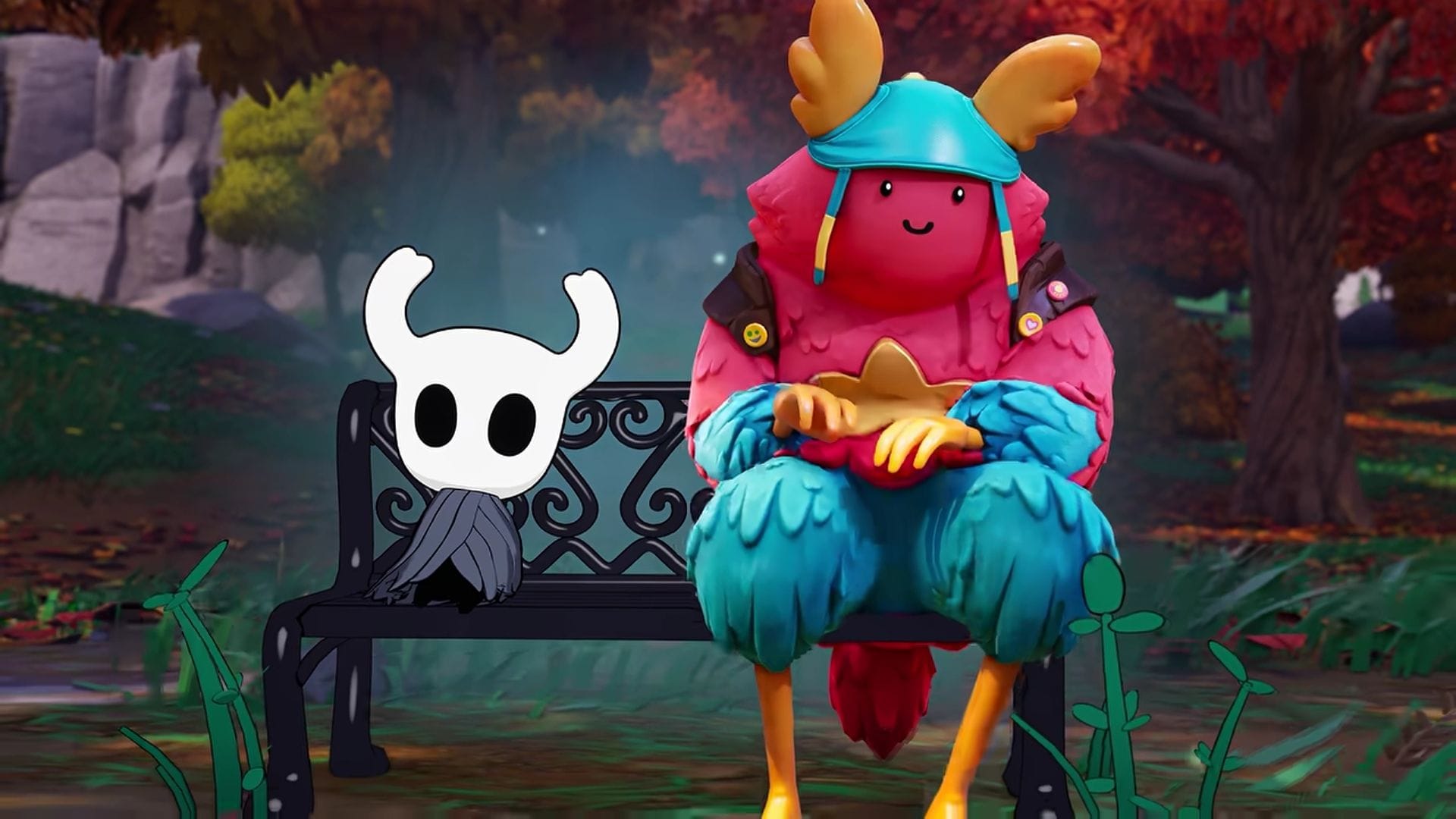
After years of dominating the gaming landscape, even the titans of entertainment occasionally find themselves engaged in the most unexpected of partnerships. Fortnite, the sprawling battle royale, recently teamed up with the acclaimed Metroidvania master, Hollow Knight, injecting a dose of moody, intricate adventure into the fast-paced world of player cosmetics.
The partnership has sparked a lively discussion, particularly when examining the economics behind the collaboration. While the creative synergy between the two worlds is undeniable, the price tag for accessing these joint treasures introduced a layer of ironic complexity.
The full bundle, designed to bring the spirit of Hallownest into the Fortnite universe, demanded a significant investment: 2,000 V-Bucks. At the time of announcement, this translated to nearly $22.50 or £17.20. This figure immediately drew comparisons to the cost of acquiring Hollow Knight on its native platform, which hovered around $15.00 or £13.00. In short, the combined Fortnite goodies were priced higher than the original game itself, and by a noticeable margin, even the upcoming sequel, Silksong, which retails for just under $20.00.
What exactly did players get for this premium price? The bundle included a collection of themed items, such as Hollow Knight as a sidekick, a Hallownest Grub as a backbling, and the iconic Nail as a pickaxe, cementing the fusion of aesthetics into in-game items. The collaboration also leaned into a darker tone, incorporating the Fortnite horror theme featuring characters like Slender Man, Freddy Kruger, and the Yautja.
This price disparity became even more striking when considering the ongoing nature of the franchise. Given that Hollow Knight has been available for many years and is frequently offered at a discount, the premium price for the Fortnite collection felt particularly steep.
As the partnership unfolds, the larger context of game monetization and consumer protection also comes into focus. The pricing structure prompts questions about how these massive virtual economies affect younger consumers. This situation is further complicated by ongoing discussions surrounding the claims that Fortnite’s monetization practices put pressure on minors to spend real money.
Ultimately, the interaction between these massive gaming entities serves as a reminder that while innovation and creative collaboration can be exciting, the financial reality of digital content remains a complex and often scrutinized landscape. As the bundle prepares to leave the shop on October 15th, it leaves behind a fascinating case study on value, partnership, and the ever-present weight of digital commerce.
Buy on Amazon
Credit