Fruit Physics and Parkour on Perfect Dark Surfaces
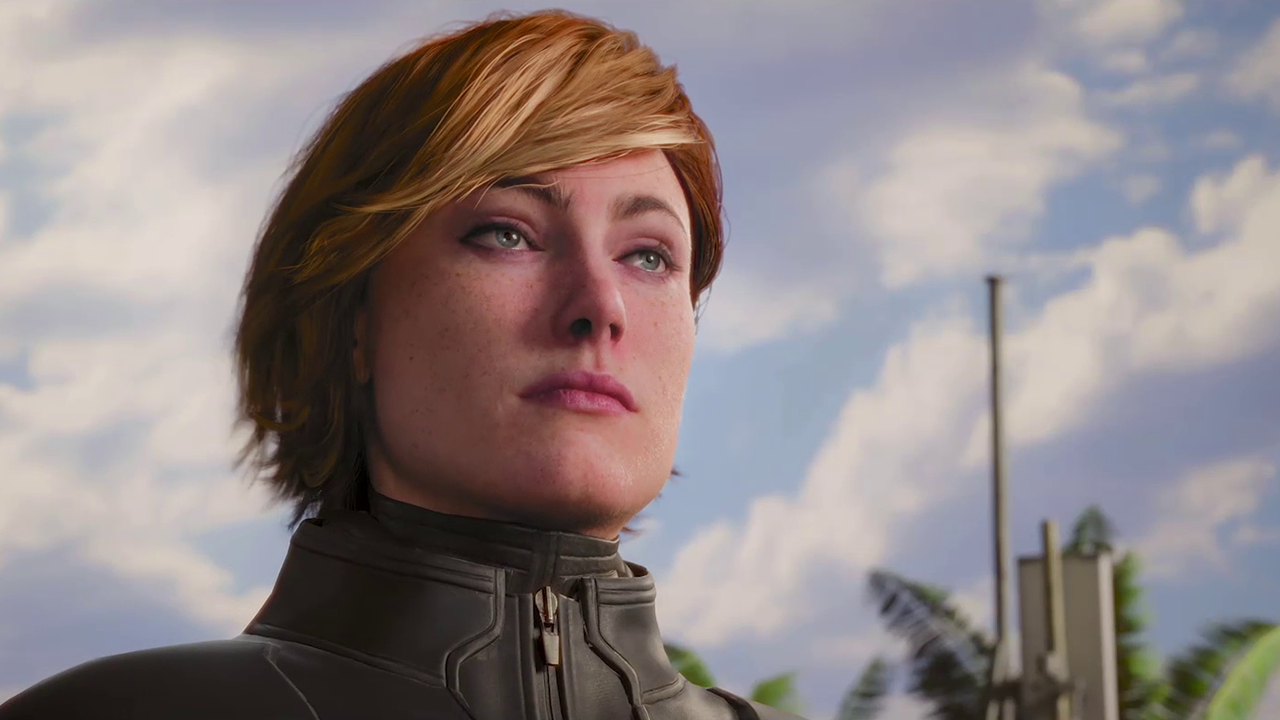
The digital world of game development is a constant rollercoaster, marked by massive shifts, unexpected cancellations, and seismic corporate restructuring. In the middle of this whirlwind, a glimpse into a scrapped vision—or perhaps a portfolio piece from a developer who refused to let go—has surfaced, offering a fascinating look at the ambitions that often meet the harsh reality of the business landscape.
Recent leaks of footage related to the canceled Perfect Dark reboot have caught the attention of the gaming community. This short clip, seemingly pulled from a VFX developer’s portfolio, showcases highly ambitious concepts: destructible environments, futuristic weaponry, and deep environmental reactivity. It’s a reminder of the potential that exists in development, even when a project faces an untimely end.
The context surrounding this footage is steeped in corporate shifts. The studio responsible for the Perfect Dark project, The Initiative, shut down last year, preventing the project from ever seeing the light of day. This came amidst a wider wave of industry cuts; the studio had been supported by Crystal Dynamics, which was also forced to reduce its workforce in the wake of the cancellation.
While the game itself faded, the creative energy it represented continued to spawn other developments. Actress Joanna Dark, who portrayed a key figure in the universe, had previously expressed how far along the project was, hinting at a world that felt tantalizingly close to reality.
The fate of the Perfect Dark reboot was tied to a major corporate gamble. A deal to revive the project almost materialized, with interest shown from Take-Two, Rockstar’s parent company, and even from the developers of Perfect Dark reboot itself. This potential collaboration highlights how the intersection of creative vision and financial strategy often dictates a project’s lifespan.
Meanwhile, the larger industry was undergoing a massive shakeup. Across the board, major studios were making strategic moves. Halo Studios, which was assigned the task of working on the next installment of the series, was handed over to Activision as part of a sweeping reorganization. Similarly, other developers saw changes: Ninja Theory, creator of Hellblade, closed down. Even massive entities like Obsidian, known for creating worlds like Grounded and The Outer Worlds, was absorbed into the Bethesda family, now working on a new Fallout game.
Xbox itself was also navigating its own path, pulling the plug on projects like Senua and implementing an Xbox reset. This period of change illustrates a broader trend: in the competitive gaming ecosystem, creativity and corporate finance are often caught in a delicate, and sometimes brutal, balancing act. The industry is constantly reinventing itself, proving that even when a specific game is canceled, the underlying creative and technical ambition continues to inspire the next generation of digital worlds.
Buy on Amazon
Credit
