Fury of Dracula Board Game Review
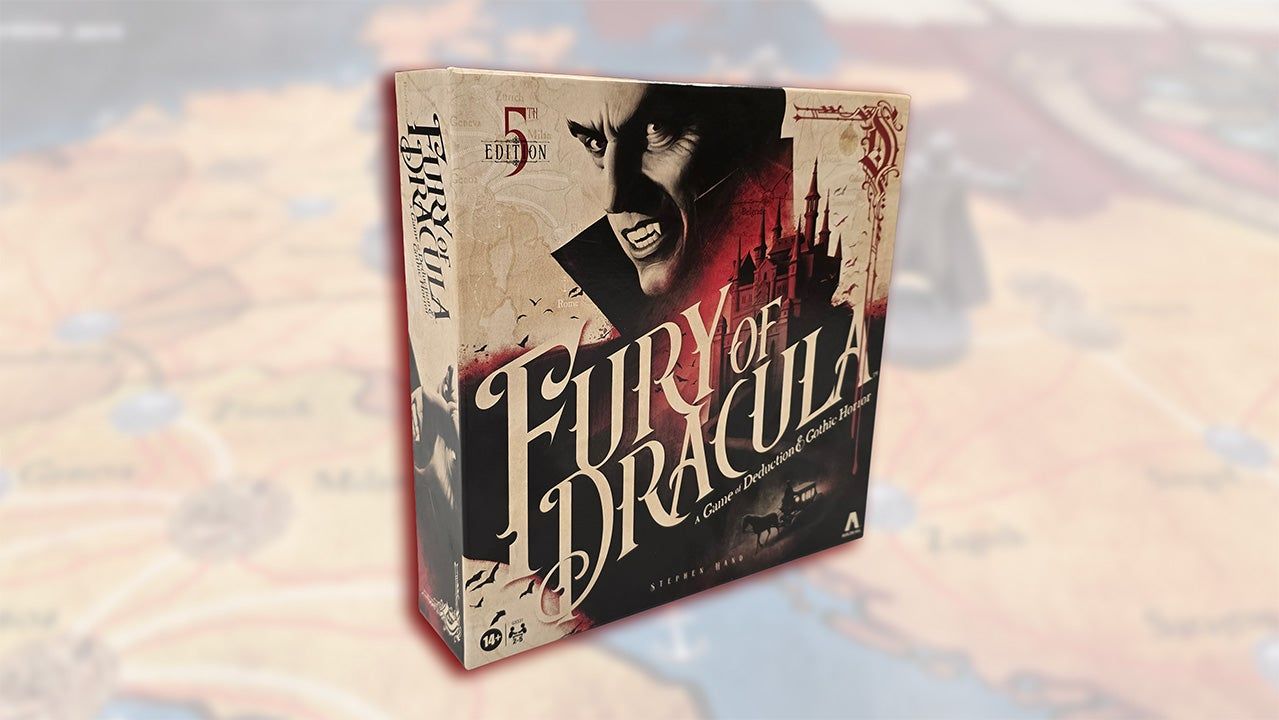
There is a certain thrill in a game where the tension isn’t just about direct conflict, but about careful positioning and hidden maneuvers. This is the appeal of the hidden movement genre, and it was through games like Fury of Dracula that I discovered the deep satisfaction of playing a game of cat and mouse.
The original concept places players in the roles of vampire hunters attempting to track and eliminate the Count, Dracula, who is moving stealthily across the board. The game is structured around Day and Night phases, where the hunters must navigate perilous locations, gather supplies, and try to trap the vampire lord.
Dracula’s turn is deceptively simple but critical. Once the hunters have acted, the Count moves, placing new locations and encounter cards. These secrets, which may spawn enemies or create diversions, are the true source of the game’s suspense. The system forces players into moments of high-stakes decision-making, where misreading an opponent can lead to infuriating, dramatic reversals of fortune.
What elevates Fury of Dracula above other hidden movement titles is its unique combat mechanic. When hunters corner the vampire, they must draw cards containing moves or tools to resolve a duel. These encounters, though simple in concept, deliver moments of pure, unadulterated drama—moments where a hunter expects a retreat but instead faces a sudden, infuriating bite, pushing the despair track toward disaster.
The latest iteration, the 5th Edition released by Avalon Hill, brings some exciting changes to this classic formula. The update introduces a new hunter: Jonathan Harker, who possesses unique abilities that can add significant tactical weight to the hunt. While adding new dimensions to the game, this change raises questions about overall balance, especially when both Harkers are on the board.
For those who prefer a faster pace, the 5th Edition includes a streamlined game mode. This variant simplifies the map, removes certain cards, and adjusts the board state to simulate a shorter timeline, making Fury of Dracula a much more viable option for a quick weeknight session.
However, the most striking departure in this new edition is the visual aesthetic. The edition swaps the dramatic, full-color artwork of previous versions for simpler illustrations reminiscent of old Victorian-era newspaper drawings. While the black-and-white aesthetic is clean, it sacrifices much of the visual impact. Features like the Dark Call card now shows Dracula staring at the moon with bats, and the character portraits are rendered in sepia-tinted photographs. This shift, while modernizing the look, results in visuals that some find less compelling than the detailed, immersive art of the earlier editions.
Buy on Amazon
Credit