Gabe Newell confirms Steam is an MMO
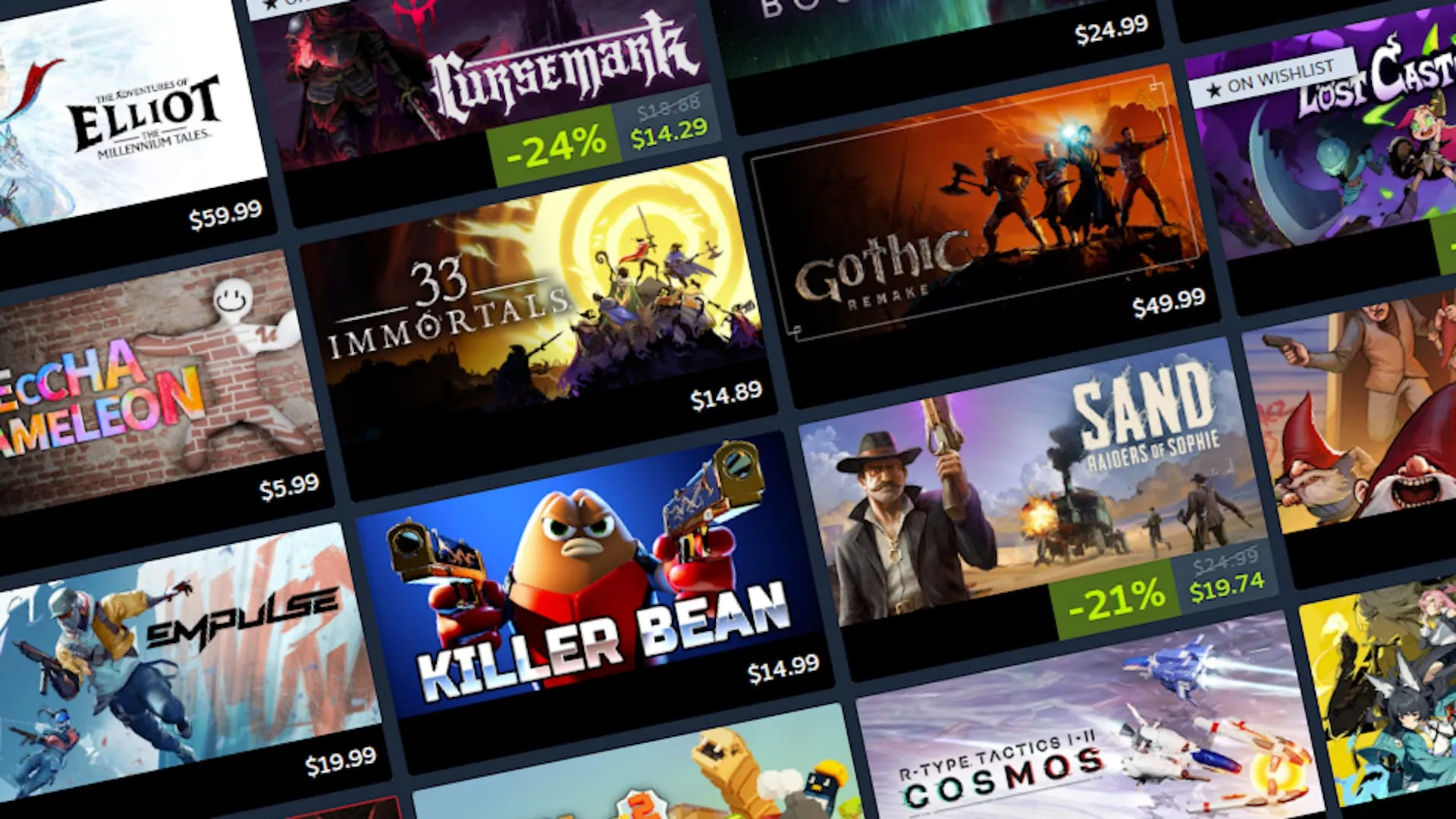
Beyond the Store: Why Steam Might Be the Ultimate MMO
The digital landscape of gaming is a constantly shifting battleground, defined by massive storefronts and ambitious development visions. Yet, while platforms like the Epic Games Store command attention, the devotion of players often settles firmly on Steam. But the real debate isn’t about which store is bigger; it’s about what kind of ecosystem each platform is truly built to be.
One compelling argument suggests that Steam isn’t just a marketplace for games, but something far more complex: a Massive Multiplayer Online (MMO). This perspective is rooted in the deeper structure of the platform, arguing that the true magic lies not in the titles themselves, but in the user experience and the tools players use to engage with that experience.
Former Valve writer Chet Faliszek points out that the defining characteristic of Steam is the multitude of avenues for self-expression. It is through the system—by leveling up accounts, collecting trading cards, customizing profiles, and earning awards—that players actively express their identity within the platform. These elements transform simple consumption into active participation, giving users a sense of agency and import within the digital world.
This feeling of agency is crucial. Instead of passively consuming content, players are able to interact with the ecosystem, much like navigating an MMO world where you fight monsters and pull from dungeons. Steam provides that space for players to not just consume games, but to actively express themselves within the experience.
In contrast, other platforms prioritize different forms of engagement. While Epic offers tools and expansive engine capabilities, such as Unreal Engine and UEFN, these features require a significant level of effort that the majority of players may never engage with. For many, the immediate, satisfying dopamine hit of buying a trading card for three cents on the Steam marketplace offers a more direct and accessible form of self-expression than wrestling with complex engine tools.
The focus then shifts from technical specifications to community design. The success of Steam seems tied to its ability to foster a rich, interactive world where players can build their identities and interact with each other. When assessing a platform’s success, it becomes less about loading times or slick marketing strategies, and more about providing the infrastructure for authentic, meaningful community interaction.
Ultimately, the devotion to Steam stems from its role as an expressive social space, proving that the strongest digital platforms are those that empower their users to do more than just play a game—they empower them to build a world.
Buy on Amazon
Credit