Gabe Newell explains how Valve hired the most expensive talent to beat big tech
The Valve Philosophy: Why Private Ownership Still Beats the Public Market
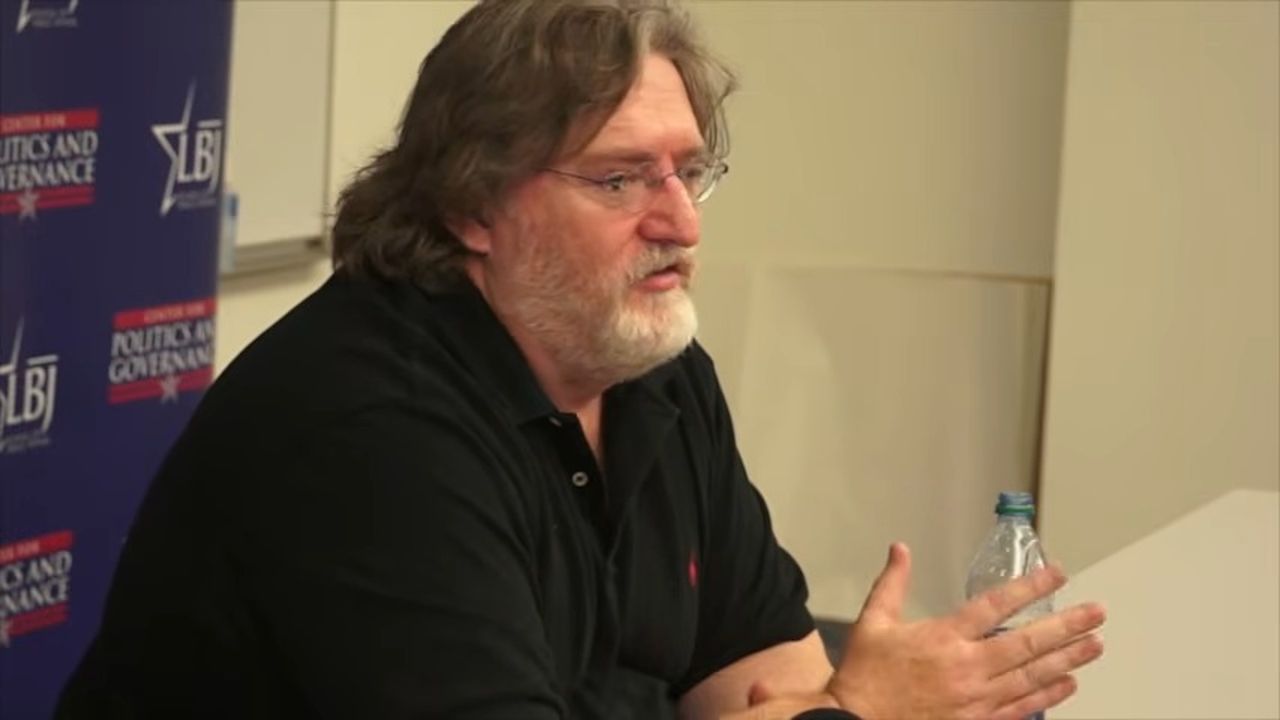
In an era defined by widespread tech layoffs and the relentless drive for cost-cutting, a seemingly old clip of Valve CEO Gabe Newell has resurfaced online. Amidst the general mood of industry upheaval, his reflections on private ownership, employee priorities, and corporate structure offer a refreshing counterpoint to the current narrative of corporate austerity. When viewed against the backdrop of massive layoffs at giants like Microsoft and Meta, Newell’s philosophy about how companies should operate feels less like dated theory and more like a vital roadmap for true, sustainable success.
Newell’s perspective centers on the idea that a company’s structure should be designed to maximize value for its employees, rather than simply chasing external shareholder whims. He posits that being a privately held entity eliminates unnecessary “noise” in the signal between consumers and producers. This freedom, he argues, allows the company to focus on its mission without the constant distraction of external pressures, board demands, and the shifting priorities of investors.
This unique approach dictated Valve’s operational strategy. Instead of engaging in cost-cutting by outsourcing work to the lowest-cost English-speaking labor pools, Newell suggests the opposite approach. Valve focused on attracting the most highly productive and expensive talent available in the world. This strategy meant investing in people who could create immense value, rather than simply seeking the cheapest labor solution.
This focus on high-value staff yielded incredible results. Newell recalls how Valve’s early success was built on talent like programmer Yahn Bernier, who was capable of shipping thousands of lines of code daily. By prioritizing and investing in these exceptional individuals, Valve believed they were creating the greatest incremental value for the company.
This philosophy naturally led to a flexible, title-lax organizational structure. Newell points to the work on titles like Half-Life as a perfect example. In this environment, employees weren’t siloed into narrow disciplines; a single developer could possess skills in skeletal animation, environmental art, and coding, allowing them to solve problems in the most tractable way.
The tangible effects of this structure are visible in the final products. The development of Half-Life 1 demonstrated that when people are free to shape the environment and code simultaneously, they achieve a level of creative freedom that large, compartmentalized organizations often struggle to replicate.
While the challenges of the modern tech landscape are undeniable—from the looming threat of the AI-fueled memory crunch to the broader industry obsession with public trading—Valve’s foundational approach remains relevant. As the industry grapples with artificial intelligence and the cost of computing, Newell’s insistence on prioritizing people and internal alignment offers a powerful reminder that true innovation stems from empowering the talent, not just cutting costs.
Buy on Amazon
Credit