Games should challenge players Star Wars Galactic Racer insight
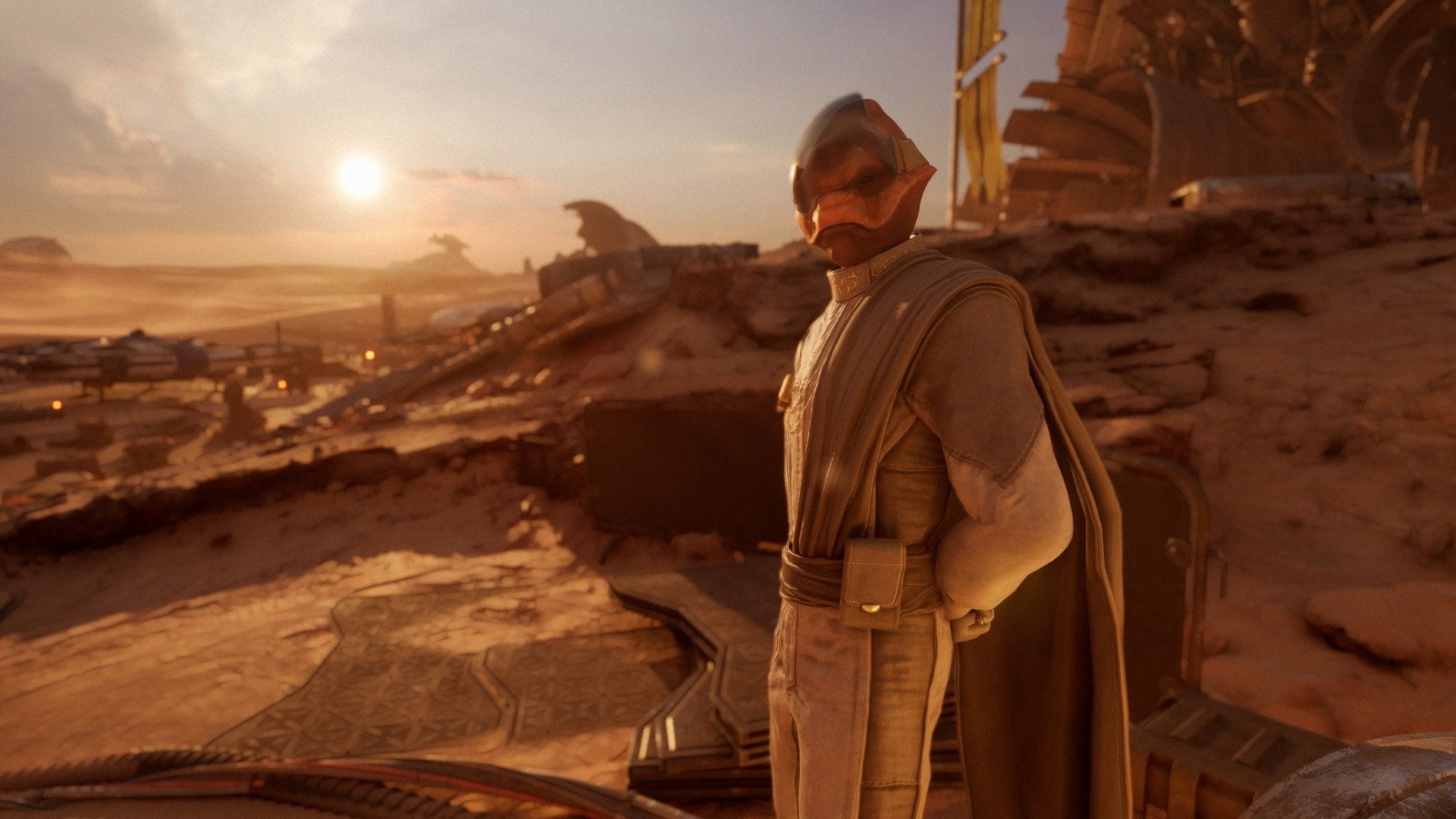
When designing a racing experience, the goal is often pure, exhilarating speed. But for some developers, the real challenge lies not just in the velocity, but in testing the limits of the player’s patience and skill. This philosophy is currently resonating strongly in the racing genre, especially following the work behind Star Wars: Galactic Racer.
The team behind the game, including former developers from the Burnout series, argues that modern racing games need to shift their focus from constant reward delivery to genuine cognitive challenge. They contend that today’s gamers possess the mental capacity to handle significantly greater amounts of information and complexity.
Fuse Games CEO Matt Webster points out that the shift in player expectation is key. He explains that games should challenge players, not simply bombard them with continuous dopamine hits. In the previous Burnout titles, the focus was on immediate rewards—reward, car, car, car—which, over time, can lead players to tune out the fundamental enjoyment.
Webster suggests that true engagement requires balancing intensity. He describes a concept he terms “light and shade,” suggesting that the game should alternate between segments of extremely high-intensity racing and periods of lower-intensity immersion. This duality allows players to experience both the adrenaline rush and the narrative depth seamlessly.
The difficulty in Star Wars: Galactic Racer is intentional. The game features a slate of aggressive racers constantly vying to ram players off the track, demanding precise reactions. Hesitation on a turn can lead to a catastrophic explosion, emphasizing that success demands focus rather than simply reacting to easy prompts.
By introducing this level of competitive pressure, the developers aim for a different kind of satisfaction. They want players to feel that achieving a place, even a challenging fifth spot, is a significant victory—a hard-fought achievement—rather than just a passive result of a well-timed action.
Ultimately, the message is clear: games should push the boundaries of player ability. By prioritizing meaningful challenge over continuous gratification, developers can deliver experiences that are not just fast, but truly memorable and deeply engaging.
Buy on Amazon
Credit
