GameStop Boss Unfazed by Sony’s Disc Decision
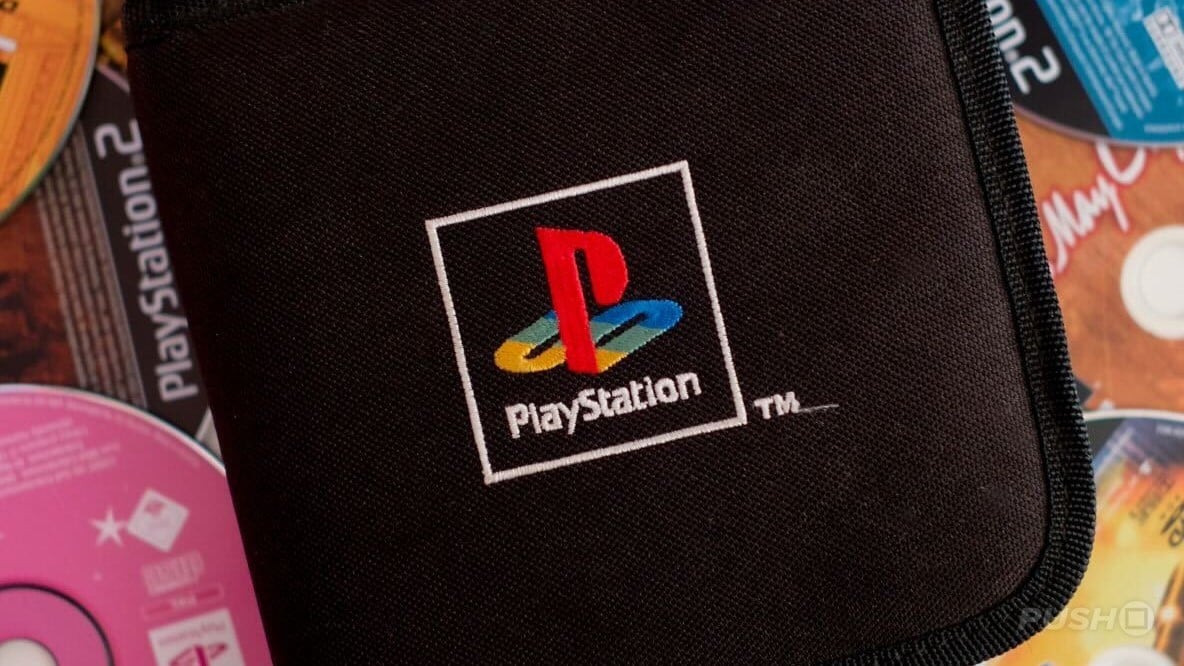
The Collector’s Dilemma: When GameStop Watches the Disc Die
For decades, the world of gaming was built on physical media. Companies like GameStop thrived by managing the inventory of new and used physical games—the tangible connection between players and their digital worlds. But today, the landscape has dramatically shifted, forcing a reevaluation of what exactly constitutes a successful game retailer in the modern era.
GameStop’s business model was once inextricably linked to stocking physical discs. Today, however, that foundation is proving to be less central than ever. The reality is a bit jarring: only 18% of the company’s revenue now relies on software sales from giants like Sony.
This fundamental shift reveals a broader trend in the industry—a pivot away from physical ownership and toward digital distribution. As gaming evolves, the focus has moved from selling boxes to managing complex digital ecosystems.
Amidst this evolution, GameStop’s leadership seems remarkably unconcerned by some of the biggest moves shaking up the console market. Chief Executive Ryan Cohen, for instance, appears completely unfazed by major industry decisions that affect physical media sales.
One such significant event is PlayStation’s decision to stop manufacturing discs in January 2028. This monumental choice has drawn attention not just from the gaming community, but also from major trade groups.
The response has been robust, signaling a growing consensus among consumers and industry bodies that true ownership is increasingly valued over physical disc ownership. For example, various UK trade groups have recognized this trend, noting that millions of gamers now prioritize the actual experience and digital access over owning tangible physical media.
This development highlights how quickly the gaming industry is abandoning traditional retail structures in favor of flexible, digital experiences. While GameStop continues to navigate a rapidly changing environment, the narrative is clear: the future of gaming isn’t just about games; it’s about ownership, access, and where value truly lies.
Buy on Amazon
Credit