Gaming community excludes 48% of women
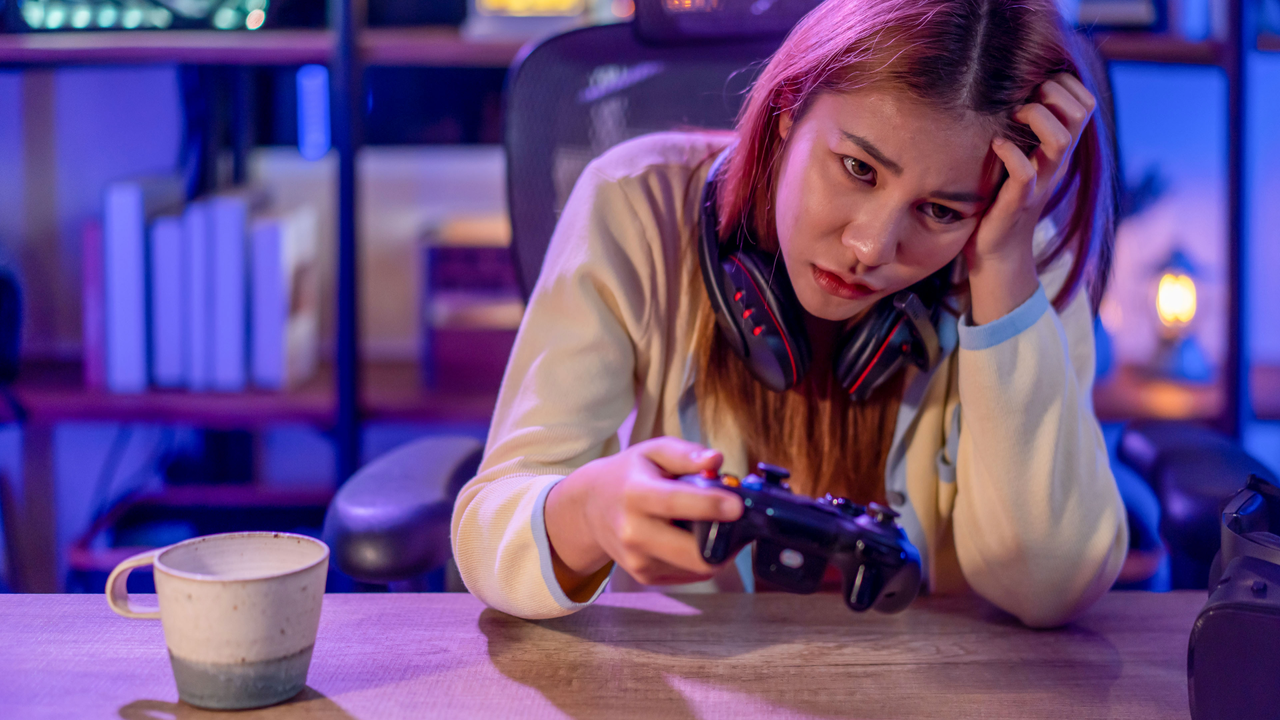
Finding Our Voice: Why Gaming Communities Need to Open Up
For many, the vibrant world of video games is a place of escape, connection, and passion. Yet, for a significant portion of the gaming community, the experience often comes with an unexpected barrier: a feeling of not being truly welcome. New research highlights a stark reality: not all gamers feel they belong in the spaces they inhabit, prompting a much-needed conversation about inclusion and identity in gaming culture.
The data speaks volumes. A recent survey examining the experience of PC and console players across the US and UK revealed that nearly half of women surveyed reported feeling unrepresented or unwelcome within gaming communities. This figure stands at 48%, climbing to 53% for console players specifically, and even higher at 56% among women who engage in competitive shooter games. This sentiment underscores a persistent challenge: the gaming landscape, despite its massive reach, often fails to reflect the diversity of its participants.
This feeling of exclusion is a core reason behind the creation of G+RLS, a podcast dedicated to exploring games through the lens of women’s perspectives. The impulse to create this space stems from a shared experience—a desire to see and be seen within the digital arenas we love.
The search for belonging is not unique to women. Broader research into how gamers interact online reveals complex patterns regarding identity and communication. Studies also indicate that gamers navigate the digital space with nuanced choices, such as 19% opting for gender-neutral avatars, and 19% choosing to avoid voice chat entirely. Furthermore, 22% utilize voice chat only with pre-selected groups of trusted friends, illustrating a spectrum of how gamers choose to connect and define themselves online.
These findings reinforce the idea that creating safe, inclusive spaces is essential. It is not just women who sometimes feel the need to mask their identities online; it is the entire community that benefits from environments where diverse identities are accepted without judgment.
The conversation extends beyond gender and avatar choice into the very language of gaming. Research also uncovered that while many people play video games, only 46% openly identify themselves as a gamer. Despite this reluctance to use the term, a significant 60% are comfortable discussing their gaming habits with friends, colleagues, and acquaintances, suggesting that the passion for gaming is widely accepted, even if the label remains somewhat guarded.
Ultimately, the mission of G+RLS is to push for a more accepting and open environment. By focusing on games through a female lens, the podcast seeks to dismantle the stigma and build bridges, ensuring that every player, regardless of gender or online behavior, can find a true sense of community.
New episodes of G+RLS are available regularly, offering fresh perspectives and engaging discussions for anyone interested in navigating the intersection of gaming, identity, and community.
Buy on Amazon
Credit