Gears of War runs smooth on Xbox Series S using SSD as RAM
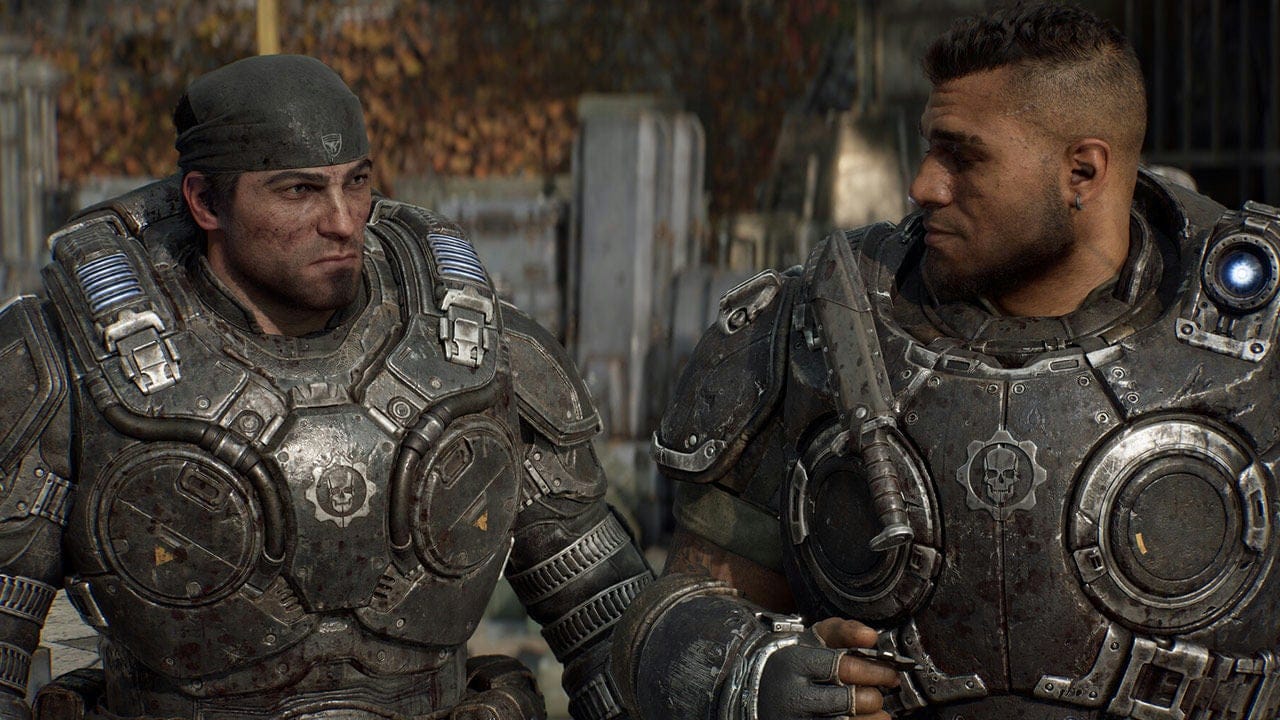
The quest for graphical excellence often collides with the limitations of hardware. Games like Gears of War: E-Day are visual feasts, but they come with a hefty price tag, pushing even the most powerful consoles and PCs to their limits.
When it comes to the Xbox Series S, the challenge is amplified. With only 10GB of RAM, the system faces a significant memory crunch, especially when running highly demanding titles. This memory constraint is the primary bottleneck preventing a smooth, high-fidelity experience.
To bridge this gap, developers need ingenious solutions. The Coalition, the studio behind Gears of War: E-Day, tackled this challenge head-on by leveraging the speed of the solid-state drive (SSD) in a clever, technical maneuver.
The studio’s technical director, Kate Raynor, explained that they successfully tapped into the SSD to manage memory, allowing the game to perform admirably despite the hardware limitations of the Series S.
This wasn’t just about brute-forcing the system; it was a strategic allocation of resources. While offloading data from the slower system RAM to the much faster SSD is a known technique, the real trick lies in choosing exactly what data to move.
The key was prioritizing which assets stayed in the fast system memory and which could be temporarily shifted. The team focused on moving data that wasn’t actively needed “in a frame or over a run of frames” onto the SSD, ensuring that data constantly required for real-time performance remained in the quicker RAM.
This strategic approach is fascinating, though it has its trade-offs. Relying on the SSD for overflow data, often using the system’s Page File, can introduce performance slowdowns if the system has to constantly refresh memory, as SSDs are inherently slower than RAM.
Despite these technical constraints, The Coalition managed to pull off a remarkable feat. By implementing this memory trick alongside dropping complex visual elements like Lumen reflections, they delivered a surprisingly stable and enjoyable experience on the Series S.
This innovation opens up exciting possibilities for future developers seeking to maximize performance on less powerful hardware. It suggests that clever resource management, rather than just raw power, is the future of console development.
Gears of War: E-Day itself has already debuted with some significant changes, solidifying the studio’s position and proudly establishing it as one of Xbox’s main exclusives.
Buy on Amazon
Credit
