Gears of War sales: 62k Xbox vs 1.7M Game Pass players
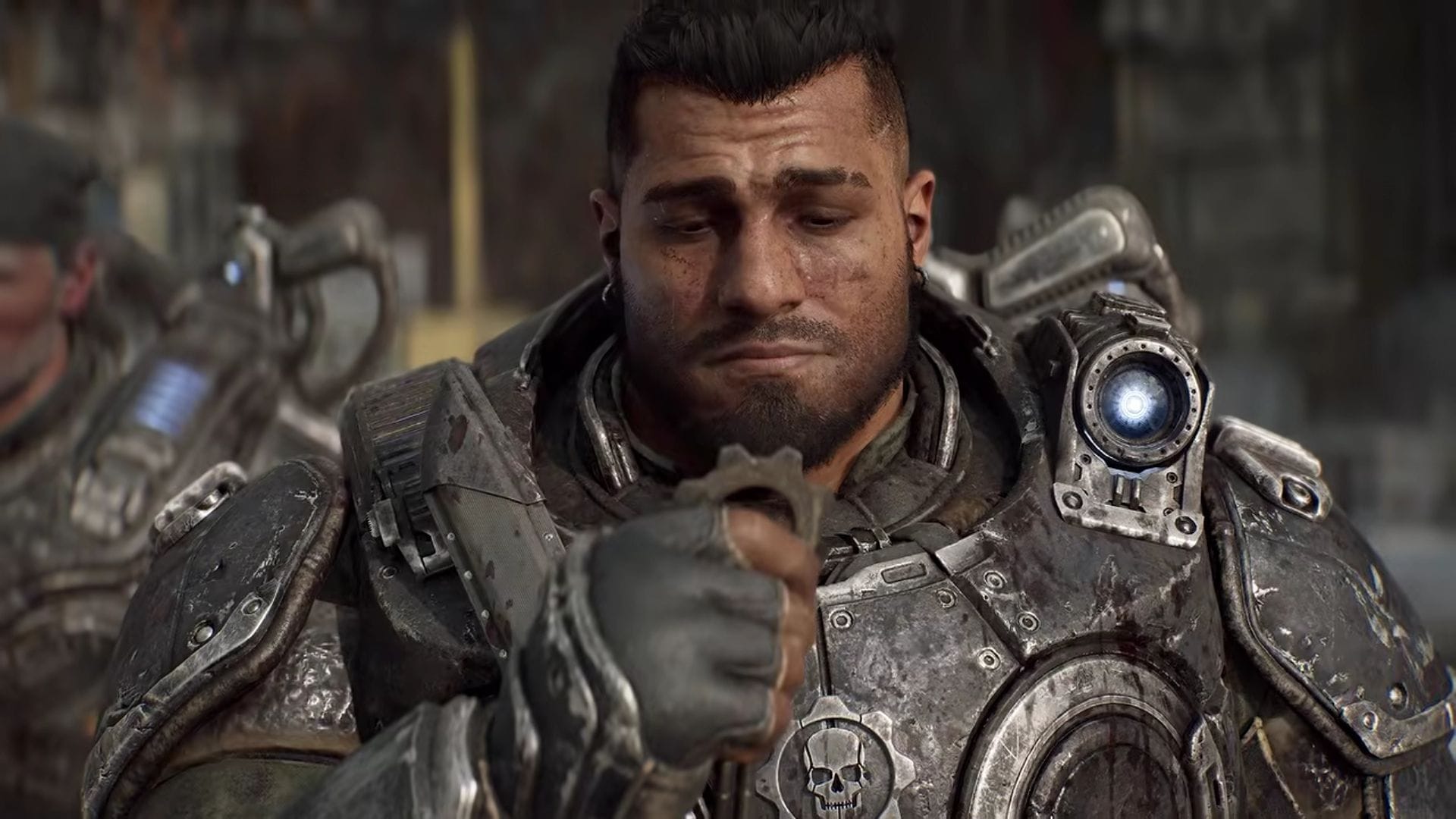
When Gears of War: E-Day launched in October, the initial sales figures were impressive, topping 230,000 copies across Xbox and Steam. But beneath this headline number lies a far more complex story about modern gaming economics, the shifting power of subscription services, and the evolving relationship between developers and publishers.
Analysts have been attempting to untangle what these sales truly represent. While the raw numbers sound straightforward, digging into the figures reveals the intricate mechanics of the Xbox ecosystem. Estimates suggest that 62,000 people purchased the game outright on Xbox consoles, alongside 168,000 sales on Steam.
However, the real story emerges when you factor in the subscription model. The Xbox Game Pass service has fundamentally altered how players engage with premium titles. While some might view Game Pass as simple cannibalization, it introduces a fascinating layer of complexity. With an estimated 1.7 million players engaging with E-Day through the service, and over 722,000 Game Pass subscribers opting for the premium upgrade, the total estimated paying audience reaches nearly 950,000 people.
This massive uptake suggests that while the $70 premium price tag for the game may appear to be functionally dead on the Xbox platform, the revenue stream is much more nuanced. The total estimated sales revenue, including these premium upgrades, climbs to approximately $37 million.
The debate over Game Pass’s impact is not new. Many developers, some of whom have worked with Microsoft, have voiced concerns that this model is unsustainable and damaging to the industry’s traditional sales structure. Some argue that the value of a game is tied to its full-fat purchase, rather than access through a service.
This concern is amplified by recent shifts in Microsoft’s strategy. To prioritize home console exclusivity, the company made the calculated decision to shelve a reportedly near-finished PS5 port of the title, focusing its resources instead on the Xbox platform. This strategic move underscores the high stakes involved in platform exclusivity and audience management.
Ultimately, the scenario highlights a dynamic where access and subscription value are competing with traditional retail sales. While the numbers are compelling, they also serve as a reminder that the future of gaming involves balancing player engagement, developer sustainability, and evolving business models across the entire industry.
Buy on Amazon
Credit
