Gears of War sells 400K+ copies after Game Pass launch
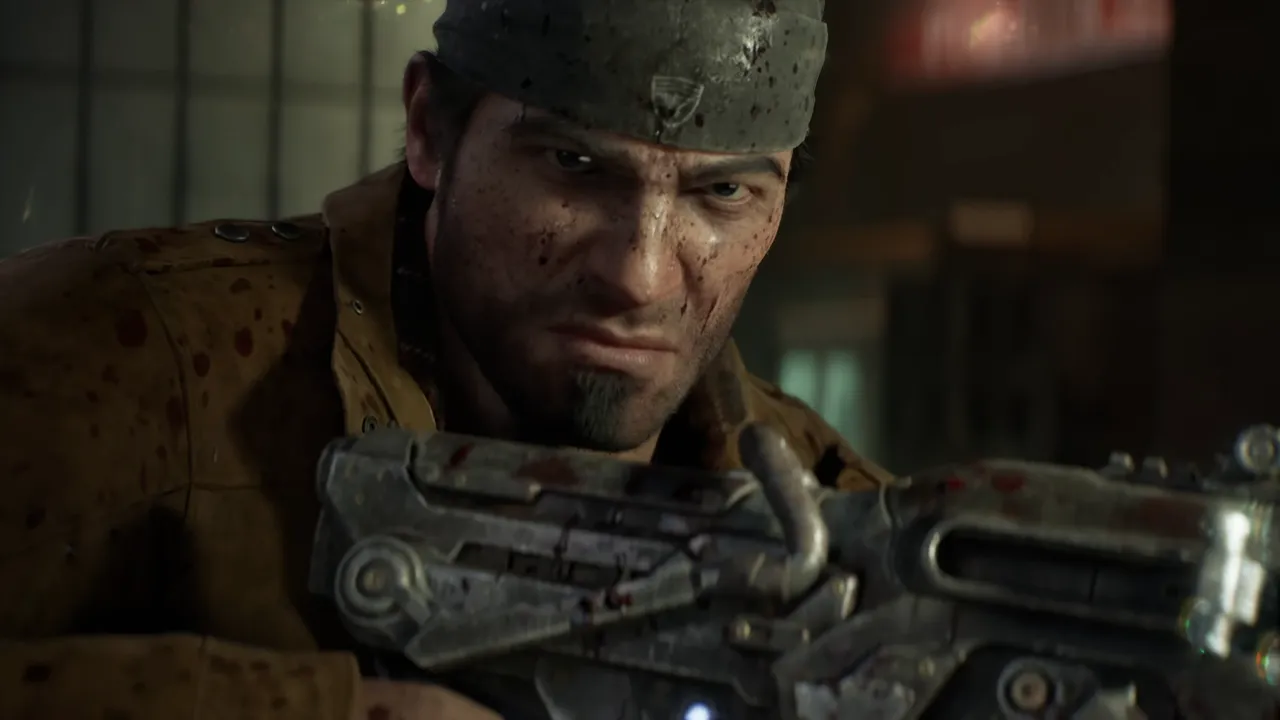
The Great Game Pass Conundrum: Why Gears of War‘s Success Isn’t Telling the Whole Story
The latest installment in the Gears of War franchise arrived with serious fanfare and critical acclaim, earning high marks from reviewers and devoted fans alike. The game was praised for its stellar story campaign and excellent multiplayer suite, achieving a remarkable 9 out of 10 score from critics.
Despite this critical triumph, a curious discrepancy emerges when looking at the sales figures. Reports suggest that the game has sold over 400,000 copies across console and PC. However, this impressive number feels surprisingly muted when considering the buzz surrounding a major franchise release.
The real puzzle, many suggest, lies in the role of Xbox Game Pass. As a day-one release on the service, and offered with early access options via a 30 Premium Edition Upgrade, the way players access the game fundamentally alters the traditional sales metrics.
Data analysis paints an even more interesting picture. Research estimates that nearly 1.7 million players accessed Gears of War: E-Day through their Game Pass subscription rather than purchasing an outright copy. This suggests that the true measure of the game’s reach might be in subscriptions rather than traditional unit sales.
When diving into the economics, the numbers reveal a fascinating ratio. Estimates indicate that for every single copy sold on Xbox, nearly twelve Game Pass upgrades were sold. This strongly implies that the vast majority of access comes through the subscription model, shifting the focus from pure sales volume to sustained engagement.
This dynamic plays out against the backdrop of a significant shift happening at Xbox. The company is currently navigating a period of massive restructuring, including the announcement of 3,200 layoffs and the divestment of key game studios, such as Arkane Lyon. This turbulent time raises questions about where the industry’s focus is shifting: toward ownership, or toward access.
Looking ahead, the potential evolution of Xbox Game Pass could be a game-changer. Rumors point toward a major overhaul, potentially introducing a tiered system that allows subscribers to select specific features—from cloud gaming to console-only add-ons—for a tailored experience. This evolution suggests that the future of gaming might be less about owning individual titles and more about accessing a continuously evolving library.
Ultimately, the success of Gears of War highlights a growing trend: in the competitive world of gaming, value is increasingly defined by access and experience, rather than just the initial purchase price.
Buy on Amazon
Credit