Giant MOBA world in an alt-WW1 setting
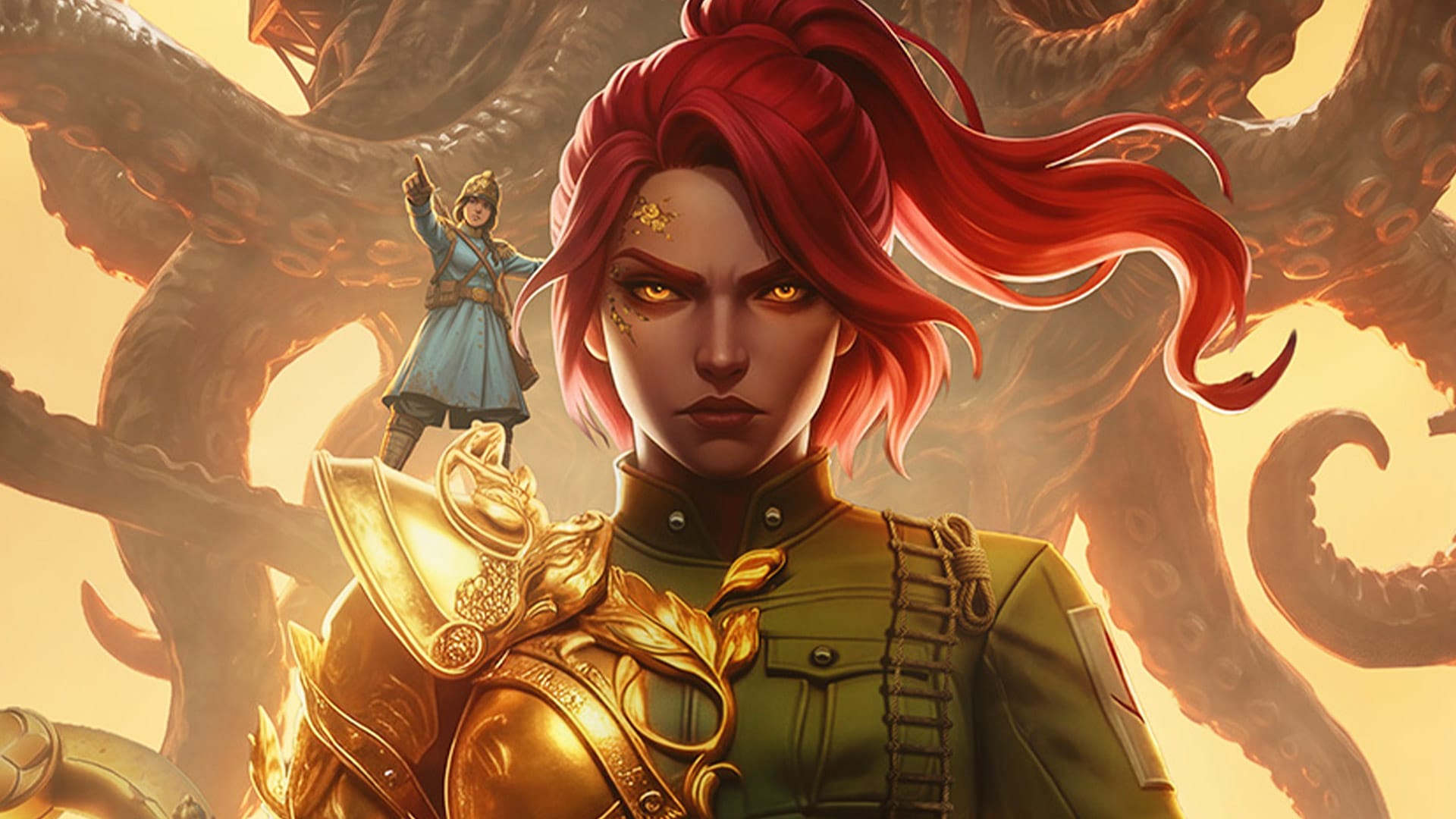
Before the era of micro-management and endless supply chains, real-time strategy games were the undisputed monarchs of the competitive gaming world. These titles weren’t just games; they were historical artifacts, establishing a benchmark for strategic depth and high-stakes decision-making that felt almost impossibly brilliant.
Games like Age of Empires, Command and Conquer, Starcraft, and Warcraft 3 stood as true monoliths of that competitive age. They demanded an almost dizzying level of macrotactical prowess from their players. Mastering these environments meant orchestrating armies, managing resources, and predicting enemy movements with a level of complexity that was, even for genre journeymen, utterly captivating.
The sound of base construction, the thrill of a perfectly executed flanking maneuver, and the tension of a full-scale war defined this golden era. These were games that cemented the idea that strategic mastery was the ultimate form of entertainment, requiring immense focus and foresight.
But as the competitive landscape shifted and technology advanced, an inevitable evolution began to unfold. The foundations of the RTS genre remained powerful, yet the way players interacted with strategy, paced the gameplay, and engaged with complexity started to change dramatically.
This evolution wasn’t just a change in graphics or mechanics; it was a fundamental shift in how players approached the strategic challenge. The emphasis moved from pure resource management and large-scale army control to more granular decision-making and dynamic, real-time adaptation. The focus began to pivot from managing massive economies to mastering instantaneous tactical execution.
The shift opened up new frontiers for creativity, allowing developers to explore different facets of strategy. The core appeal of RTS—the desire to build, conquer, and outthink an opponent—remained intact, but the execution became infinitely more flexible and engaging for a broader audience.
Today, the genre continues to thrive, blending the deep strategic roots of its past with the dynamic, responsive gameplay of modern design. It’s a testament to how an iconic genre can evolve, adapting its timeless appeal while embracing the cutting edge of interactive entertainment.
Buy on Amazon
Credit
