GOG turns digital games into physical releases
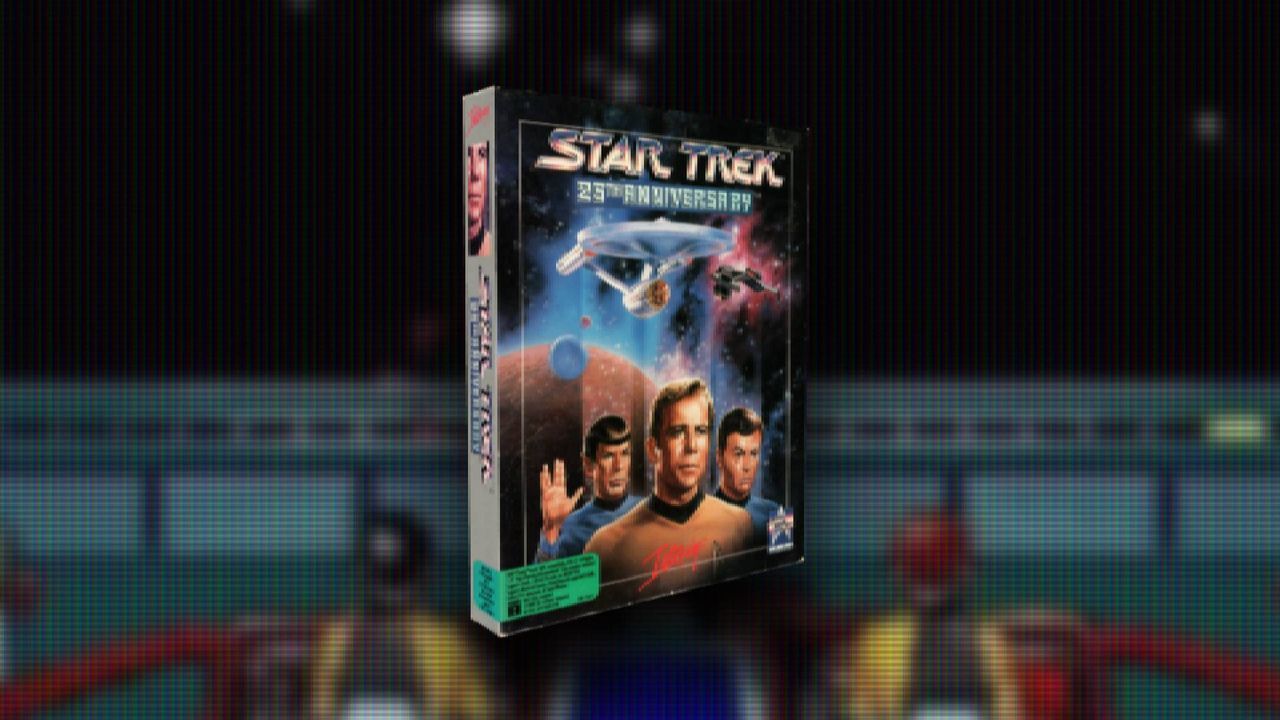
GOG has officially taken the reins of physical nostalgia, launching a major expansion of its Preservation Program that empowers gamers to become publishers of their own memories. This new initiative allows fans to take legendary Big Box PC game packaging and bring it back to life, offering tools that blur the line between digital ownership and tangible collecting.
The program’s most exciting feature is the ability to download downloadable 3D scans of original game boxes. These scans are ready for users to explore, rotate, and view using standard 3D applications on Windows and Mac. But the opportunity doesn’t stop at viewing; GOG is also providing printable versions of these scans, enabling anyone to design and create their own custom boxes.
This means that decades of gaming history, once locked behind digital storefronts, are now accessible in a physical, tangible format. The initiative is a collaboration with Big Box Collection, ensuring that the physical packaging of these classic titles is preserved alongside the game files themselves.
This initial wave of preserved classics includes highly sought-after titles such as Star Trek: 25th Anniversary, Armikrog, Descent, Hitman: Codename 47, and the beloved Myst.
For long-time fans who have lamented the disappearance of physical media—a trend that has swept across the gaming world—this program offers a powerful way to reclaim that sense of ownership. Instead of just playing games, collectors can now engage in the rewarding pursuit of assembling and displaying authentic physical artifacts.
The shift has profound implications for the collector market. By facilitating the creation of accurate replicas of old PC boxes, GOG is opening the door for new collectors to engage with its platform who might otherwise shy away from purely digital distribution. This capability allows players to transform their desire for physical items into an interactive creative endeavor.
Imagine taking a loose copy of a classic title, designing a unique box with custom details, and finally giving that piece of gaming history a permanent, proud place on your shelf. It turns passive ownership into active curation.
For those who simply enjoy the aesthetic, the 3D viewing capability offers an added layer of fun, allowing enthusiasts to examine the details of legendary packaging before diving into the process of creation.
In a world increasingly focused on ephemeral digital assets, GOG’s expansion proves that the demand for physical presence remains strong. It’s not just about preserving games; it’s about empowering the community to create their own legacy and ensure that these iconic pieces of gaming history have a place in the real world.
Buy on Amazon
Credit