Grok’s bad AI version of The Odyssey shocks Nolan
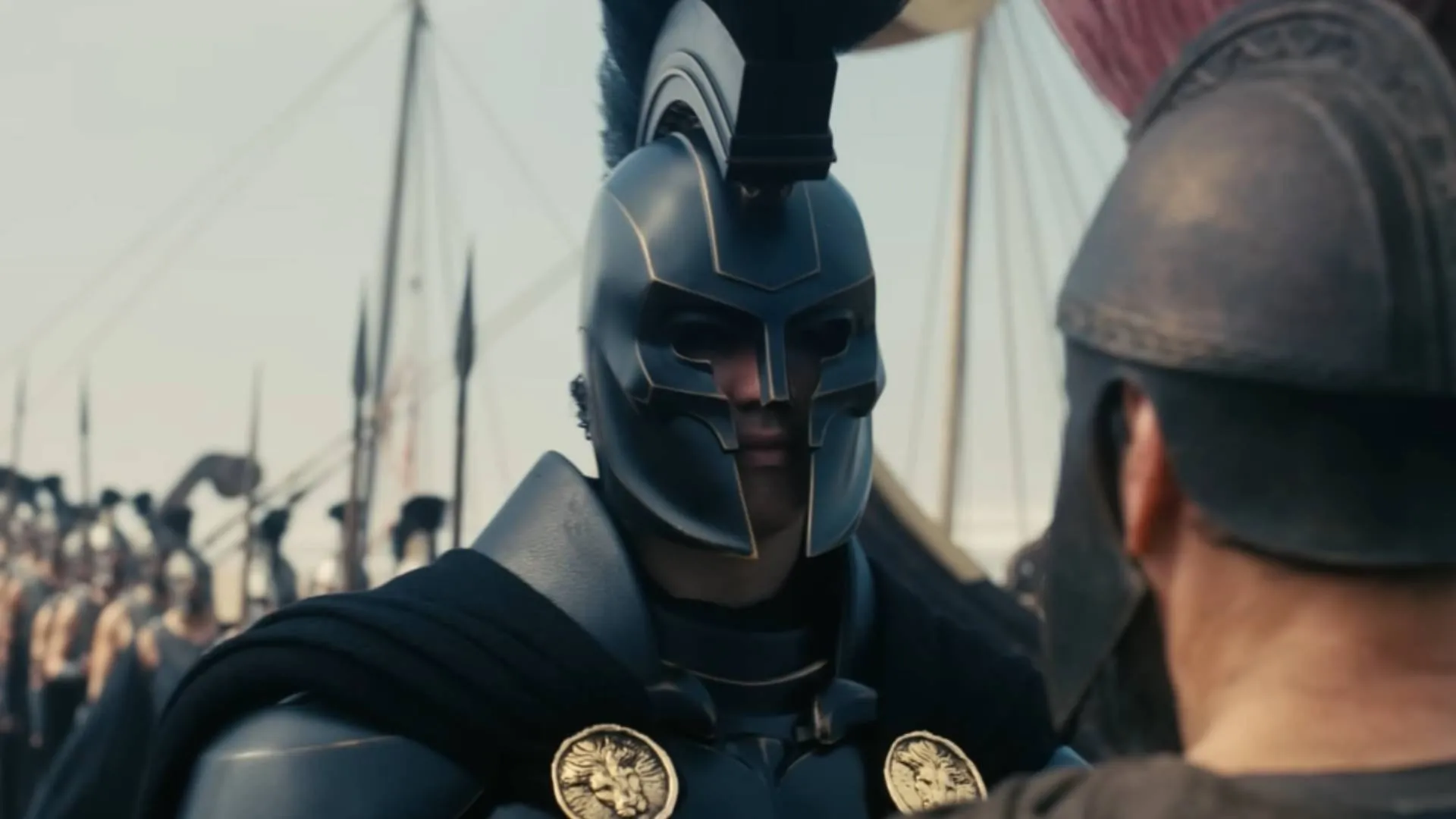
When AI Meets the Epic: Grok Imagines the Odyssey
The ancient journey of Odysseus, a timeless saga of cunning and endurance, has just found a jarring, modern interpretation thanks to artificial intelligence. Elon Musk’s AI assistant, Grok, has stepped into the creative arena, putting together the opening seven minutes of The Odyssey, a project that mixes high literary ambition with low-fidelity machine generation.
This experimental adaptation, titled The opening seven minutes of The Odyssey, was brought to life through a collaboration with Wonder Studios and director Dev Walker. The result, while ambitious in concept, delivered footage featuring stilted dialogue, uncanny AI actors, and a battle sequence that critics suggest might induce a serious case of sleep.
The immediate reaction to the AI-driven epic has been sharply divided. While some are captivated by the sheer novelty of the concept, others have weighed in with harsh critiques, labeling the finished product as “soulless” and downright “terrible”. It seems that translating the timeless poetry of Homer into the uncanny valley of AI-generated visuals is a challenge as old as storytelling itself.
This foray into cinematic AI follows Musk’s earlier musings about fully realizing Homer’s work. In July, Musk had openly expressed a desire for Grok Imagine to eventually produce a full-length movie of The Odyssey that was historically accurate and true to the art of Homer.
Meanwhile, the entertainment world is still reeling from the immense success of Christopher Nolan’s cinematic version of the epic. The original film has cemented its status as the highest-grossing R-rated movie of all time and a triumph for Nolan, with major stars like Anne Hathaway and Robert Pattinson currently being discussed as potential Oscar contenders.
The contrast between the polished, blockbuster adaptation and the raw, experimental AI interpretation highlights a fascinating tension in modern storytelling: the battle between meticulously crafted human artistry and the limitless, often unsettling, potential of machine creation. As the awards season approaches, the literary echoes of the ancient world continue to resonate, whether they are told by seasoned filmmakers or by algorithms learning to dream.
Buy on Amazon
Credit