
GTA 6 Leak Stops Killing Games Near Hacker Manifesto
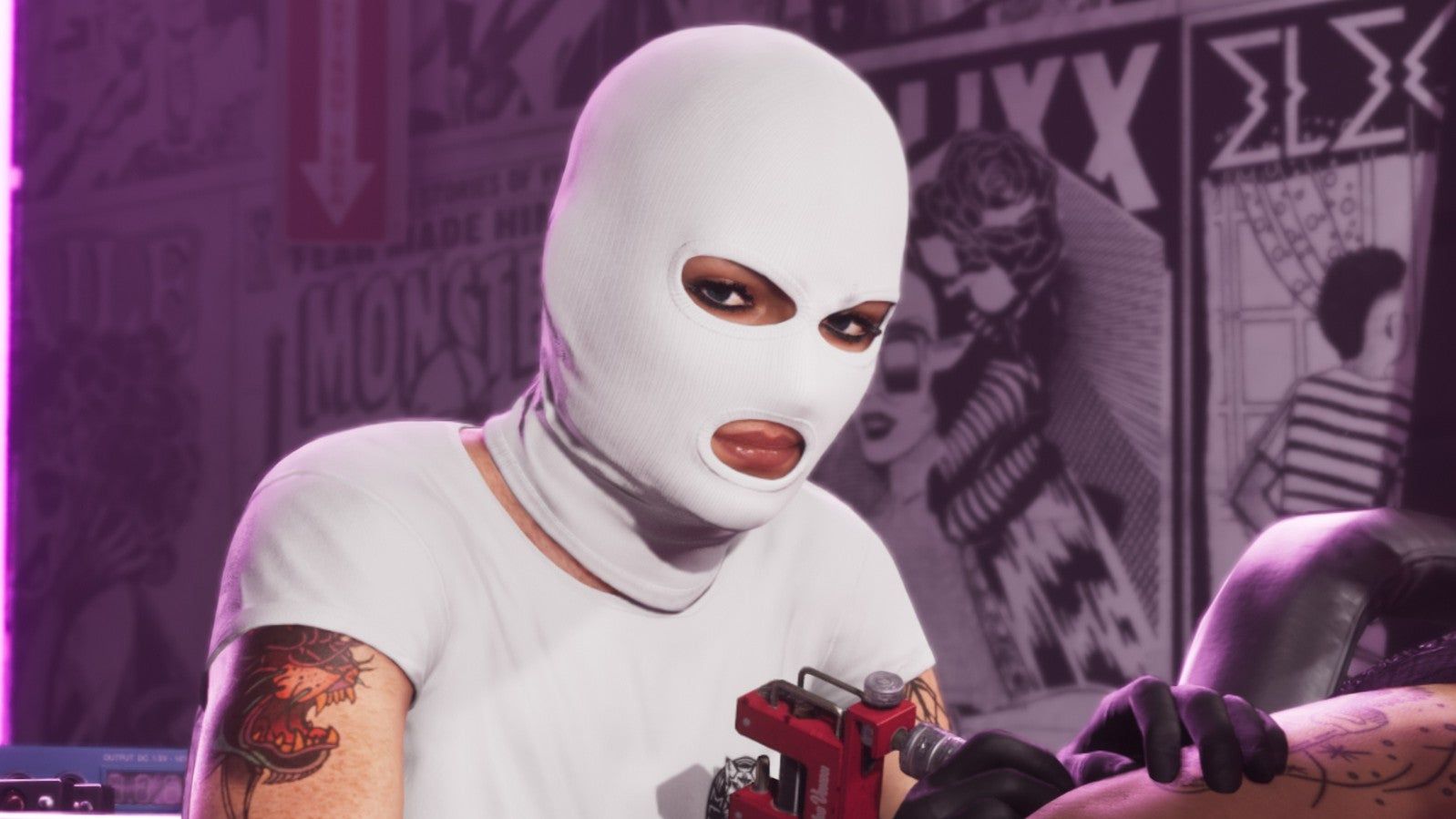
The digital future of gaming is often portrayed as seamless and boundless, but beneath the surface of hyper-realistic experiences, a more complicated fight for ownership and legacy is unfolding. This tension reached a fever pitch recently with a series of leaks surrounding the highly anticipated Grand Theft Auto 6, sparking a clash between corporate interests, digital distribution, and a grassroots movement demanding respect for physical media.
Two videos showcasing apparent gameplay and a map image, reportedly linked to a group calling themselves CyberLeek, immediately ignited controversy. These assets were watermarked with references to a cryptocurrency, suggesting the leak was not just a casual release, but an organized effort designed to generate attention and profit.
The group issued a manifesto, outlining three demands to game publishers and developers, framing the entire situation as a threat to the industry. Their message was clear: if groups like CyberLeek could reach a giant like Rockstar, then all corporations should “behave, or be the next target.”
This drama took place against a backdrop of ongoing industry friction. Rockstar Games has faced scrutiny over its approach to physical distribution, having opted not to release Grand Theft Auto 6 on a physical disc. The shift to a purely digital model, often locking content behind expensive editions, has drawn criticism from fans who value tangible ownership.
The pushback against this digital trend is championed by the Stop Killing Games movement, launched by YouTuber Ross Scott in April 2024. This grassroots effort fights against the industry practice of rendering games obsolete by advocating for legal frameworks that protect offline modes and the longevity of sold titles.
The core motivation behind the movement stems from past frustrations, including Ubisoft shutting down servers for The Crew. The movement seeks to ensure that consumer rights and the value of purchased entertainment are not sacrificed simply for the sake of an all-digital landscape.
When the leaks hit, the movement quickly stepped in. Stop Killing Games published a statement, directing fans not to send money to the leakers and extending sympathy to Rockstar staff. They argued that the motivation behind the leak had nothing to do with genuine concern over the digital future, framing it instead as an act that risked the reputation of the gaming community.
Ultimately, the story is a high-stakes debate: where does the line fall between creative freedom and consumer protection? Whether the leak was a calculated threat or simply a symptom of an industry grappling with change, the ongoing fight for how we own and access video games remains central to the conversation.
Buy on Amazon
Credit