GTA 6 Refueling and Gun Rules Spark Debate
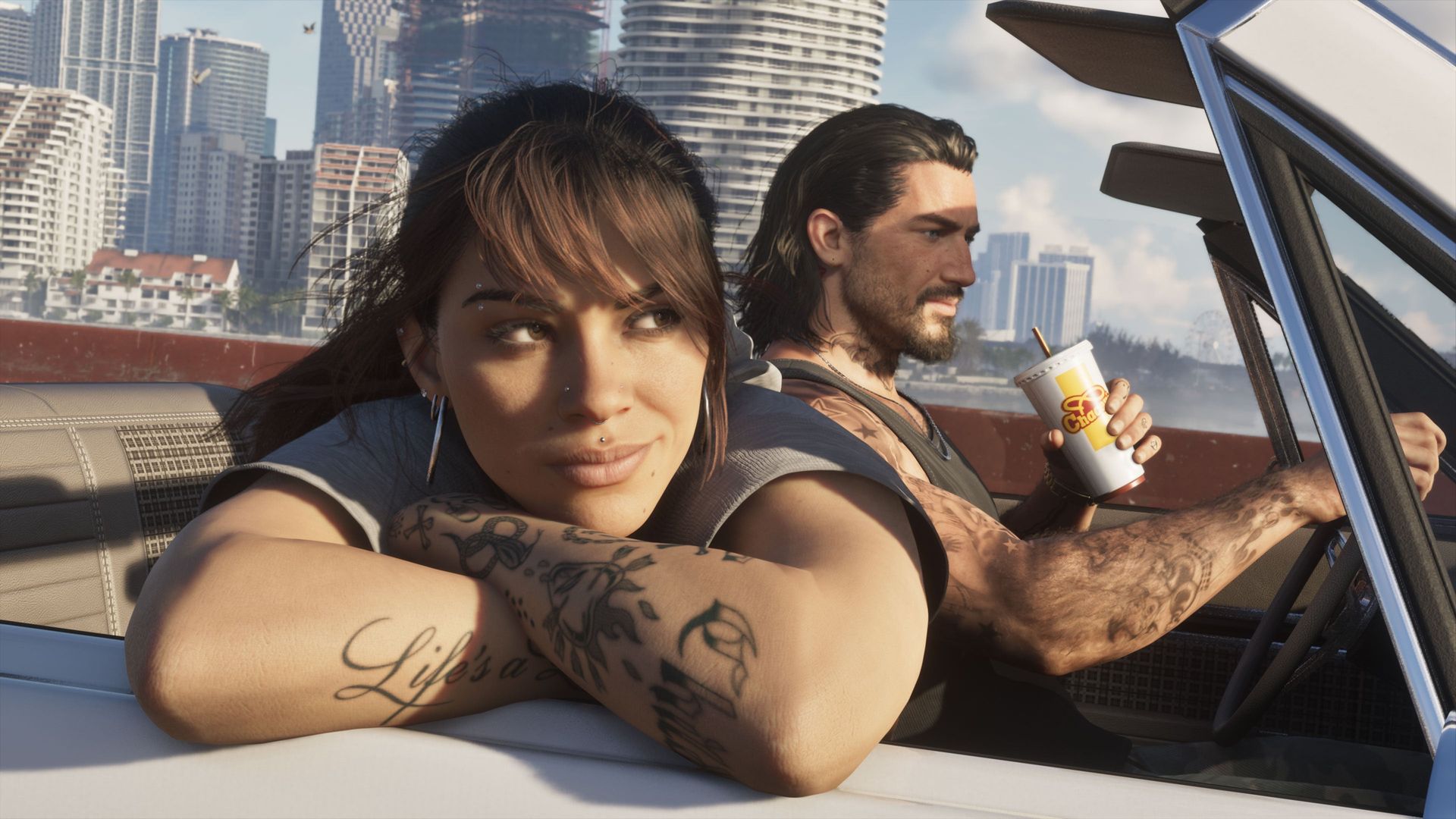
The anticipation surrounding Grand Theft Auto 6 has ignited a fiery debate: has Rockstar Games finally found the sweet spot between chaotic mayhem and grounded realism? After years of speculation, the latest details have led many players to question whether the studio has taken its commitment to realism a little too far, or if they’ve simply mastered the art of balancing the impossible.
The studio is renowned for packing its games with staggering detail, and GTA 6 is no exception. As the open world unfolds, the conversation has turned to how this new iteration handles the gritty reality of urban life. Co-development lead Rob Nelson has teased changes that will fundamentally alter player interactions, particularly how Non-Player Characters react to violence and weaponry.
“The reactions are much more nuanced than before,” Nelson explained. “If you’ve got a long gun on your back, you should be fine. If you’ve got one in your hand, people don’t like it, and they react and start moving away from you. The more guns you carry and the way you carry them matters.”
This subtle shift in behavioral sophistication signals a move away from the pure, uninhibited chaos of previous titles toward something reminiscent of Red Dead Redemption 2. In previous installments, the game thrived on pure mayhem; now, the focus seems to be on grounded, consequence-driven interactions. Nelson admitted that the world has changed, suggesting that the behavioral sophistication required by the game’s setting necessitates this realism.
Beyond gunplay, Rockstar is layering in practical details that push the boundaries of simulation. Players will be asked to manage the mundane—and perhaps the exhausting—logistics of life in Vice City. One such mechanic involves the necessity of managing resources: players will need to keep an eye on their car’s fuel, leading to mandatory pitstops to refuel.
This shift to practical realism has generated some spirited fan commentary. While some embraced the change, others found it tedious. One player humorously lamented the necessity of these mundane tasks, asking why they had to factor in eating, sleeping, and filling up gas just to play a video game. The idea of pausing a high-speed chase to stop for fuel, while dealing with the surrounding chaos, was met with both mockery and excitement.
Yet, for many, these elements add a unique layer of engaging gameplay. The scenario of running out of gas mid-chase, forcing players to ditch their vehicle and navigate the streets on foot, introduces genuine variation and unique gameplay moments. It turns a simple drive into an intricate survival challenge.
The focus on realism extends into the relationships themselves. The story of Jason and Lucia will track their emotional dynamic, influenced by factors like rest and well-being. Players will track whether the protagonists have achieved the necessary “beauty sleep” to maintain a healthy relationship, adding a compelling layer of personal narrative to the sandbox adventure.
Ultimately, Rockstar is walking a tightrope, trying to find the perfect equilibrium between the cartoonish chaos fans love and the grounded, nuanced world that made other open-world games so memorable. Whether the pursuit of realism ultimately enhances the fun or becomes a source of frustration remains the compelling question hanging over the launch of GTA 6 in November.
Buy on Amazon
Credit