GTA Game Order Play Them Correctly
The Unstoppable Saga: How Grand Theft Auto Built a Global Phenomenon
Few franchises possess the sheer cultural weight and lasting influence of Grand Theft Auto. What began as a controversial PlayStation 1 classic has blossomed into a sprawling, universally recognized behemoth, defining an era of open-world gaming. Rockstar Games has spent over two decades meticulously building this criminal world, creating hyper-immersive environments that captivate players long after the credits roll.
With sixteen games dropping since the franchise began in 1997, newcomers often face a daunting starting point. To navigate this sprawling history, understanding the series requires grasping the complex evolution of its timelines—a journey that splits the narrative into distinct 2D, 3D, and HD universes.
The sprawling saga is structured across these different eras, each offering a unique vision of crime and chaos. Whether you dive into the nostalgic simplicity of the 2D timeline or explore the photorealistic depths of the HD era, the core themes of ambition, betrayal, and mayhem remain constant.
To truly get stuck into this history, understanding the chronological order is key. While there are multiple ways to plot your route, focusing on the progression reveals how the world of Liberty City, San Andreas, and Vice City evolved over time.
In the 3D timeline, the story evolves dramatically. It begins with the foundational experience of Grand Theft Auto (1997), followed by expansions that introduced new settings like London and culminated in the sprawling, futuristic metropolis of Anywhere City in Grand Theft Auto 2. This journey leads through classics like Grand Theft Auto: San Andreas, where Carl ‘CJ’ Johnson navigates gang warfare and corruption across Los Santos and its surrounding regions.
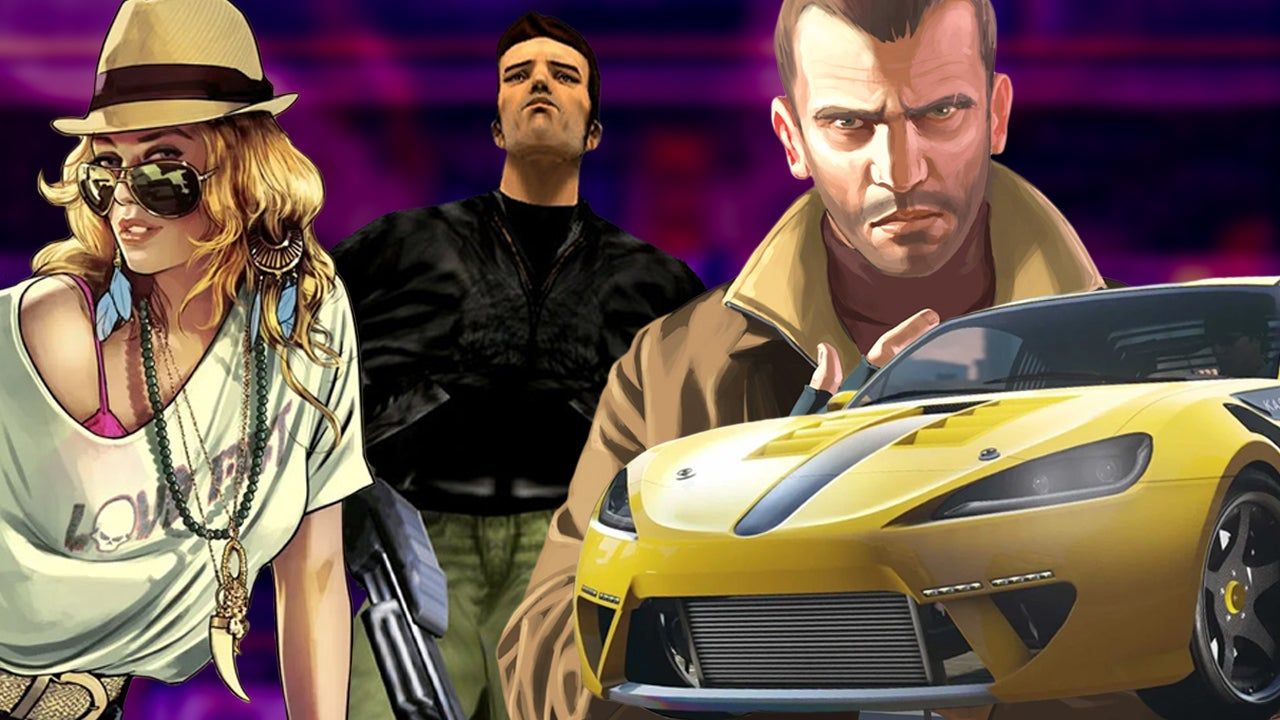
The narrative further deepened with entries such as Grand Theft Auto: Liberty City Stories, which sets the stage for future events by focusing on a gangster named Toni Cipriani navigating powerful mafia syndicates. This was followed by the monumental Grand Theft Auto 3, introducing Claude, a bank robber whose quest for vengeance plunges him into the heart of Liberty City’s criminal underworld.
The HD era brought visual fidelity and expanded scope. Grand Theft Auto 4 introduced Niko Bellic to Liberty City, where he grapples with betrayal and the deadly politics of the organized crime world. Subsequent expansions, like Grand Theft Auto: The Lost and The Damned, deepened the conflicts by focusing on gang rivalries and internal warfare.
The saga also featured compelling side stories, such as Grand Theft Auto: The Ballad of Gay Tony, which explored relationships and high-stakes gambling in Liberty City’s nightlife. Meanwhile, Grand Theft Auto: Chinatown Wars introduced Huang Lee, a son of a murdered Triad leader, who sought to reclaim a lost sword.
The true modern climax arrived with Grand Theft Auto 5 (2013), which introduced the iconic trio of Franklin Clinton, Michael De Santa, and Trevor Phillips. This game masterfully explored their complicated relationship as they navigate Los Santos, forcing them to confront the consequences of their shared past and their pursuit of fortune.
As for the future, anticipation is high for Grand Theft Auto 6. After a delay, the series is slated for release in November 2026. The reveal trailers have hinted at a massive, cinematic launch that promises unprecedented gameplay and photorealistic graphics, setting a new standard for open-world gaming. With confirmed console-only access at launch, this next chapter is poised to be one of the biggest video game launches of all time.
Buy on Amazon
Credit