GTA III Action and Legacy Review
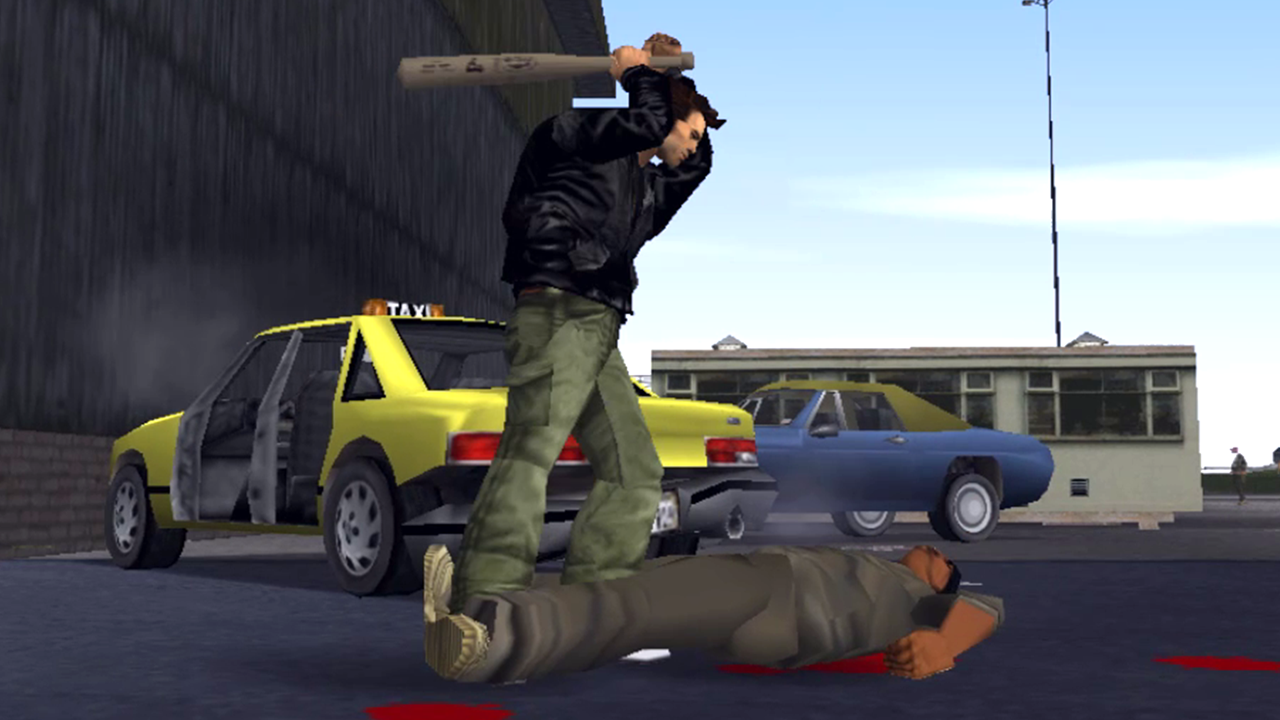
When we look back at the trajectory of the Grand Theft Auto series, one title stands out not just for its entertainment value, but for its revolutionary influence: Grand Theft Auto III. It wasn’t just a game; it was the moment the series pivoted from a successful sandbox experience to the undisputed blueprint for the modern open-world action genre.
Arriving in 2001, GTA III felt like a wild, slightly wobbly first step into the future. It was a fascinating early attempt to blend the gritty, anarchic spirit of the classic GTA franchise with the newfound possibilities of fully three-dimensional environments. While some mechanics—like the notoriously frustrating targeting system and time-consuming mission restarts—might feel cumbersome today, the sheer ambition of the game is undeniable. It was an experiment that laid the groundwork for everything that followed.
Before GTA III, the series had excelled at defining freedom within a contained sandbox. But by introducing a dynamic 3D world, Rockstar Games didn’t just upgrade the graphics; they fundamentally reinvented the player’s experience. They proved that an open world could be a living, breathing place where player agency was the supreme governing principle. You weren’t floating above the action anymore; you were truly in the world.
The map itself, Liberty City, was a masterstroke of world-building. Divided into distinct boroughs—the industrial grit of Portland, the commercial density of Staunton Island, and the suburban sprawl of Shoreside Vale—it offered a diverse canvas for chaos. Despite its modest dimensions compared to later installments, it felt intensely alive. Standing in that world, the moment became kinetic; the feeling was less about navigating levels and more about simply existing within a constantly evolving reality.
GTA III established a foundational formula that has since been brilliantly iterated upon. It successfully unified driving, combat, exploration, and narrative into a cohesive package. It provided the template for what modern open-world games strive for: expansive environments populated by believable NPCs, varied transportation, branching missions, and a complete sense of consequence.
This template quickly became the yardstick for subsequent titles. Games that followed—from the gritty realism of GTA 2 to the expanded scope of GTA 4 and beyond—all borrowed or built upon the structure established by GTA III. It proved that this specific blend of freedom, narrative, and emergent gameplay was irresistible to gamers.
Ultimately, GTA III didn’t just change the trajectory of the Grand Theft Auto series; it changed the business of open-world gaming. It demonstrated what an open world could be, setting a standard for innovation that continues to define the genre twenty-five years later. It remains a landmark achievement in interactive storytelling and world design.
Buy on Amazon
Credit