GTA IV: Action and Legacy
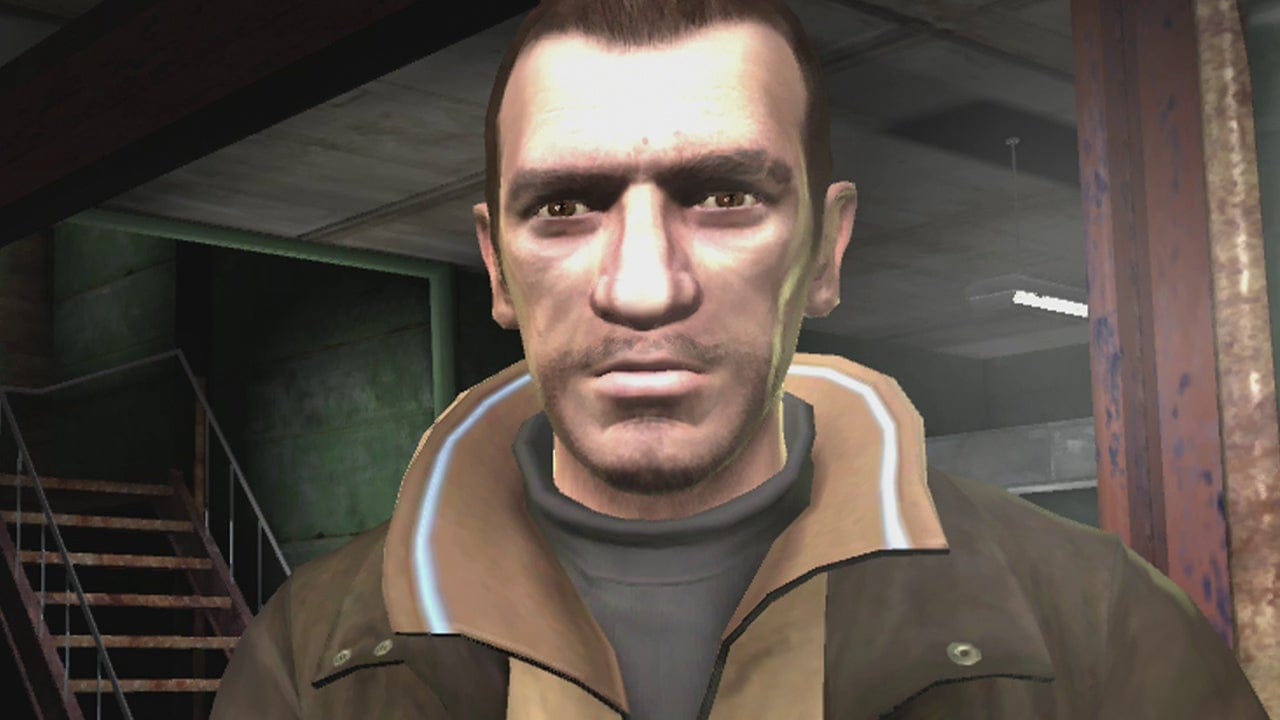
When looking at the sprawling, chaotic legacy of the Grand Theft Auto series, some games stand out not just for their mayhem, but for the sheer quality of their world-building. As we anticipate the next chapter, it’s worth pausing to revisit the foundations that shaped the franchise. And sitting right at the core of that foundation is Grand Theft Auto IV.
Despite its comparatively smaller footprint—a quarter of the physical real estate of its predecessor, San Andreas—GTA IV didn’t just survive; it redefined the series. This game forces a fascinating conversation about scale and detail. It proved that immersive storytelling doesn’t require endless map space, but rather a commitment to crafting an environment so dense, so lived-in, that it feels absolutely immense.
At the heart of this meticulously crafted environment is Niko Bellic, the protagonist. A war veteran haunted by the promises and disillusionments of the American Dream, Niko became an instantly relatable figure. He is a study in complexity, embodying the cynicism of Eastern European conflict and the bitter disappointment of finding himself amidst the exploitative landscape of Liberty City. He manages to pull off the difficult feat of being both flawed and deeply sympathetic, making his journey through the city feel less like a game and more like a poignant, gritty drama.
The magic of Liberty City lies in its microscopic attention to detail. Rockstar didn’t just build streets; they aged them. Every corner, every storefront, and every patch of asphalt is a testament to decades of simulated wear. From the bespoke graffiti to the individualized businesses, the city feels less like a constructed map and more like a genuine, breathing entity. Strolling through areas like Times Square’s proxy, you are compelled to observe, to wonder about the lives unfolding in the shadows—a true masterclass in creating a place that feels incredibly real, even if you know it’s digital.
This commitment to realism extended far beyond visual aesthetics. The true revolutionary element of GTA IV was the technological leap it incorporated. By integrating NaturalMotion’s procedural character-animation system, Euphoria fundamentally transformed how the world reacted to the player. Forget pre-authored movements where characters simply flop down after a hit. With Euphoria, impacts are visceral and dynamic: staggering, tumbling, and reacting realistically to the forces at play. This granular realism is what allowed the physics of the game to feel tangible and emergent, turning simple gunfights and car chases into uniquely slapstick, unforgettable moments.
While the experience was often wonderfully chaotic—leading to moments of pure, kinetic absurdity—the engine behind it was a deeper desire: to make the world feel inhabited. Every interaction, every collision, every visual texture was engineered to ensure that the player wasn’t just observing a city, but inhabiting it as another living, breathing citizen.
Of course, no masterpiece is without its quirks. Some elements, like the relationship system or the driving physics, remain points of contention. Yet, these flaws only serve to highlight the boldness of the overall vision. GTA IV dared to dial back the unhinged freedom of earlier titles in favor of a slower, more grounded crime saga, ultimately establishing a benchmark for modern open-world design. It remains, without a doubt, the prototype for the modern Grand Theft Auto experience—obsessively detailed, impressively timeless, and brilliantly realized.
Buy on Amazon
Credit
