GTA San Andreas: A Legacy of Action
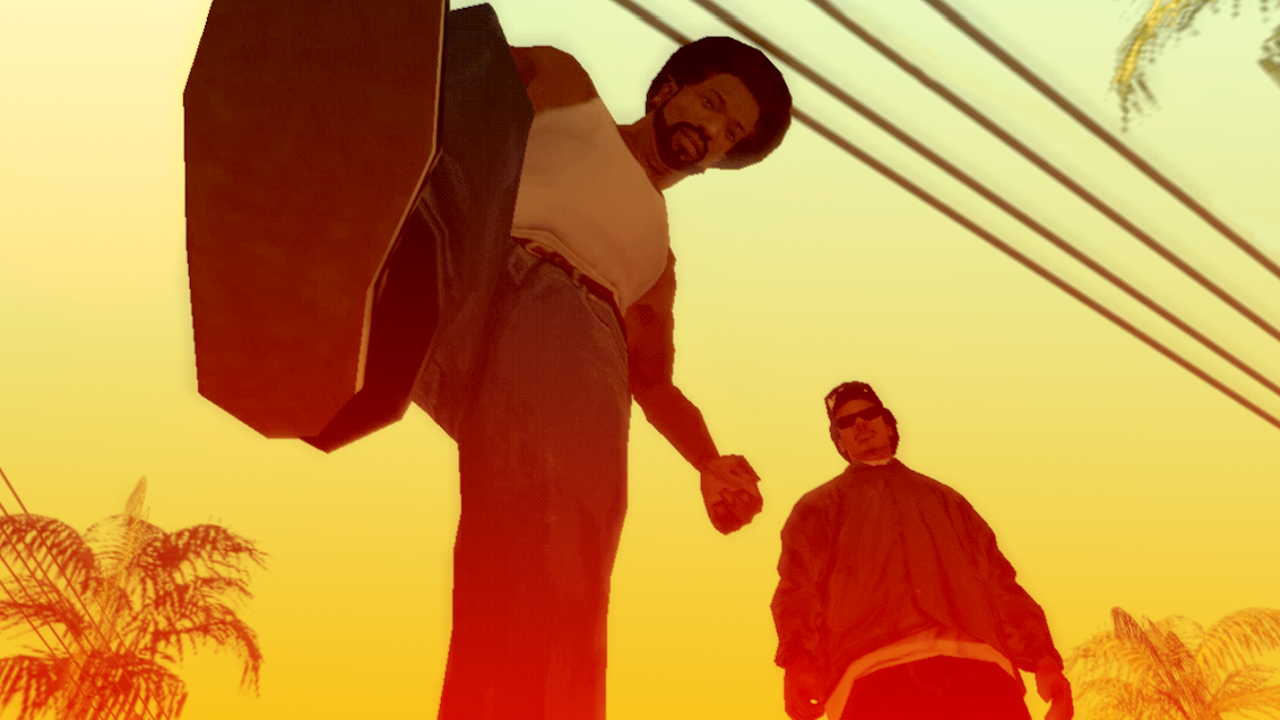
When looking back at the legacy of the Grand Theft Auto series, certain titles stand out not just for their gameplay, but for their sheer ambition. Replaying the classics in the lead-up to newer installments, you begin to appreciate what truly made certain games landmark achievements. And today, we’re taking a deep dive into a title that didn’t just participate in the franchise—it redefined the sandbox: Grand Theft Auto: San Andreas.
The year 2004 felt like a pivotal moment for gaming, an era where a truly successful game needed to be more than just great; it needed to be Grand. Amidst an explosion of massive releases, the standard was set high. To emerge as a bestseller required richness, innovation, and an unparalleled level of detail. San Andreas didn’t just meet that demand; it pushed the boundaries of what an open-world game could achieve on the time of its release.
While previous titles established the fundamentals of 3D open-world design, San Andreas took the formula and expanded it exponentially. It wasn’t simply a larger map; it was an entire fictional US state, San Andreas, housing three distinct metropolises: Los Santos, San Fierro, and Las Venturas. This massive geographical scope provided a world that felt genuinely vast, full of unique environments that shifted dramatically from smoggy cityscapes to arid desert expanses and neon-lit gambling havens.
The technical achievement behind this scale is astounding. Moving from the limitations of earlier installments, Rockstar managed to stream in the world around the player in real-time, constantly building the environment before the player reached it. This feat was monumental, demanding relentless efficiency from the system and the development team to pull data from dual-layer DVD drives while racing against time. It was a true marvel of technical wizardry.
But the true genius of San Andreas lay not just in its size, but in the astonishing density of its content. The game was a relentless source of side activities, side quests, and mechanics that offered endless ways to interact with the world. From trucking missions and duelling lowriders to harvesting crops and operating heavy machinery like forklifts and hovercrafts, the possibilities felt limitless. It was a game that refused to stop giving.
This commitment to depth extended to the mechanics themselves. San Andreas introduced light RPG elements that allowed player character Carl Johnson to improve his skills through activity. Whether mastering driving, fighting, or diving, the game rewarded engagement, making every action feel meaningful. The third-person shooting component also evolved significantly, offering players greater control with the analogue stick and introducing elements of light stealth, allowing characters to crouch and perform covert actions.
The atmosphere of the game was equally indelible. The radio stations were a carefully curated sonic tapestry, blending perfect ’90s nostalgia with a historical odyssey through hip hop, funk, and soul. It was an impeccably layered soundtrack that didn’t just feature iconic tracks but dynamically blended the entire ecosystem of complementary music.
Of course, no masterpiece is without controversy. The game’s internal development included a side mode that ultimately sparked massive public debate—the infamous sex minigame. The backlash, and the subsequent political and commercial fallout that followed, serves as a potent reminder that even the greatest creative endeavors can face intense scrutiny. It’s a testament to how cultural shifts can impact even the most embedded digital experiences.
Grand Theft Auto: San Andreas remains an extraordinary achievement. Its unprecedented scope, staggering depth, and sheer ambition solidified its place not just as a video game classic, but as a cultural touchstone. It is a game overflowing with history, chaos, and unforgettable innovation.
Buy on Amazon
Credit
