GTA: The Criminal Legacy Review
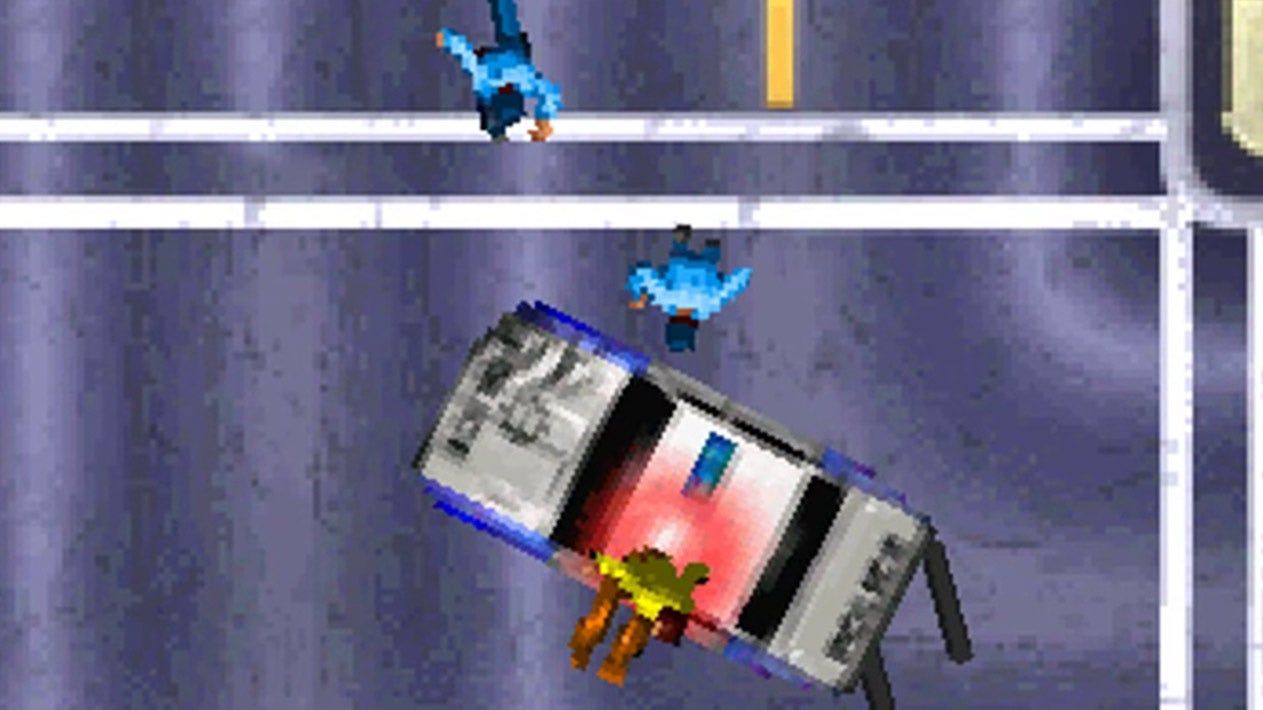
When thinking about the sprawling legacy of Grand Theft Auto, it’s inevitable to look back at the original titles and see not just games, but cultural artifacts. As anticipation builds for the next installment, we have the chance to pause and re-examine what made those early experiences so revolutionary, dissecting how they established the sandbox action genre that dominates today’s gaming landscape.
The journey begins with the original Grand Theft Auto, a game that landed in the late 1990s and immediately felt like a collision of childhood imagination and raw digital anarchy. It was simultaneously familiar and utterly wild. For many players, it was the digitization of sprawling childhood memories, merging the excitement of diecast collections with high-speed vehicular mayhem.
While the experience was brutally unforgiving—frustratingly clunky in its controls and demanding precise navigation—it captured an irresistible charm. The original game delivered a unique blend of wanton silliness, hilarious sound effects, and a trendsetting soundtrack that resonated long after the credits rolled. It demanded patience and precision, yet somehow managed to charm players with its chaotic freedom.
However, looking at the initial design, one must acknowledge that the original GTA operated under different conventions than the sprawling open worlds we know today. Its progression model was distinctly arcade-style, focused on maximizing scores in short segments rather than deep, meaningful narrative exploration. The cutscenes, while colorful, often served as brief cinematic interludes rather than driving the overarching story of criminal life.
Despite these structural differences, GTA’s true genius lay in the unprecedented open-world freedom it granted. It laid down the foundational bedrock for sandbox action gaming by allowing players to navigate Liberty City, Vice City, and San Andreas with complete autonomy. Players could steal cars, cause havoc among pedestrians, and engage law enforcement without being tethered to strict mission objectives. This ability to choose one’s own path—whether chaotic or clinical—is what cemented its legacy.
The driving experience itself remains a point of contention for many players. The camera mechanics, the camera zooming, and navigating traffic were certainly not refined by modern standards. Yet, for some, this clunkiness was part of the charm. Drawing parallels to earlier top-down racing games, the movement felt intuitive, perhaps benefiting from muscle memory developed in simpler arcade racers. While some found the controls obtuse, the fundamental logic—that left meant turning left—proved surprisingly logical within the context of the game’s world.
The visual world was equally distinctive. The cars, though rendered in flat sprites, possessed a unique character. There was an admirable effort to create distinct cityscapes, where each location featured bespoke vehicles and liveries that reflected its environment. This attention to detail, especially in the vehicle design and soundscape, elevated the experience beyond simple action.
Furthermore, the game’s controversial elements—the over-the-top violence and vehicular mayhem—served as a potent free marketing tool during its launch. While some aspects were undeniably grim, the sheer audacity of actions like assassinating figures of authority pushed boundaries in ways that influenced the broader gaming conversation.
Ultimately, Grand Theft Auto stands as a valuable artifact. It may be cumbersome and primitive by today’s standards, but it is an endearing piece of history. It remains a powerful testament to the power of open-world design, proving that even with imperfect controls, unique aesthetics, and questionable morality, a game can etch itself into the history of entertainment.
Buy on Amazon
Credit