Halloween Game Action Review
The Ghost in the Machine: Why Halloween: The Game Still Haunts Us Despite the Glitches
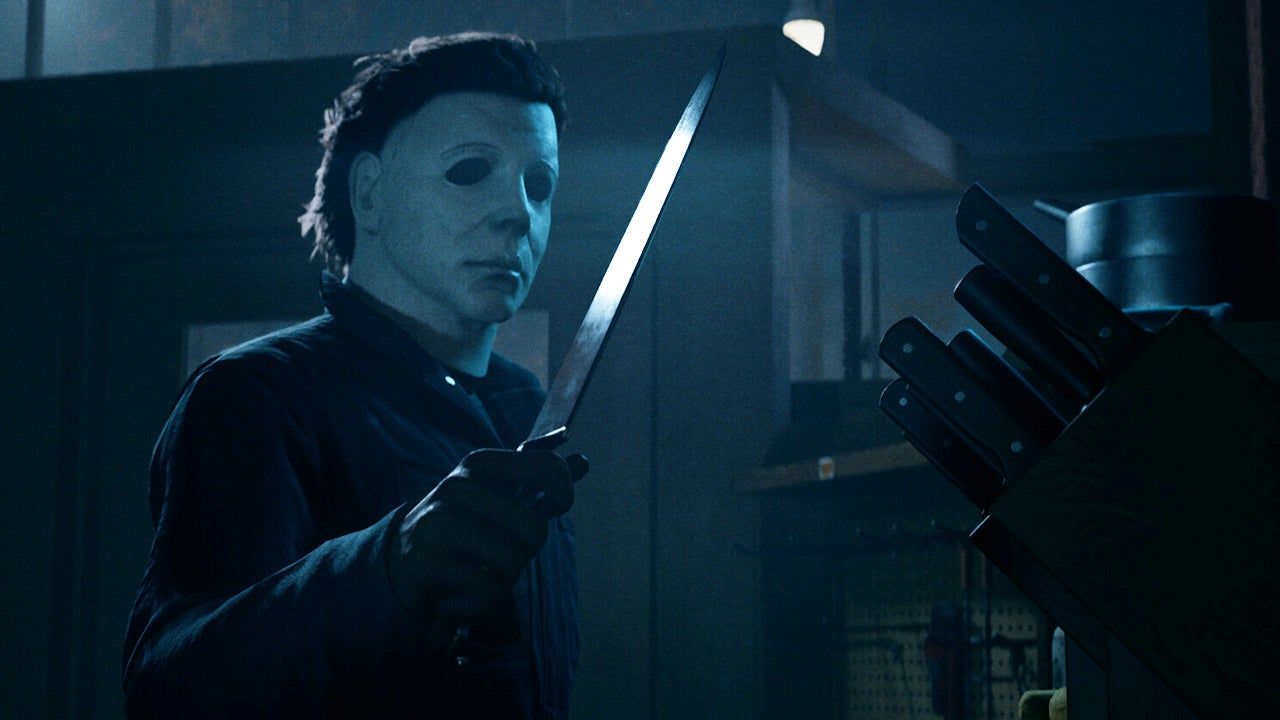
When you think about facing a man in a boiler suit creeping up behind you, you prepare for terror. But when it comes to Halloween, the fear is often tempered by the sheer absurdity of the situation. Halloween: The Game promises that kind of asymmetrical survival horror experience, pitting the killer, Michael Myers, against the survivors in the eerily recreated streets of Haddonfield. Yet, despite the genuine chills the concept evokes, the journey through the game is often less about dread and more about frustration with the technical execution.
Developer Illfonic is known for pioneering the asymmetrical horror genre, and knowing that creators like John Carpenter were involved only raised the expectations. The premise—either rampaging through the town as Myers or sneaking around as a civilian to loot and survive—is a potent and darkly creative concept. It perfectly captures the tension of a night where the shadows hold all the secrets.
The core gameplay mechanics, however, offer genuine flashes of brilliance. The design masterfully balances the odds between the killer and the civilians, ensuring that even when you are hunting, there is a viable path to escape. Michael Myers is a formidable force, utilizing special abilities like snuffing out lights and slipping through the shadows to mitigate his relentless pursuit. When executed correctly, his brutal death animations are undeniably satisfying, especially when a civilian manages to catch him near a window or an oven.
As a civilian, the experience shifts entirely. Navigating the delightfully 70s-inspired maps, admiring the retro decor, and silently instructing the surrounding NPCs to hide or flee offers a unique stealth challenge. Gathering essential tools and weapons adds another layer of strategic depth to the desperate race against time. It’s a world designed to be explored quietly and cautiously.
Despite these compelling foundations, the experience is frequently undermined by significant technical issues. The game suffers from persistent bugs, including broken animations and frustrating combat mechanics. There have been moments where weapon physics failed spectacularly, and sound design often betrayed the stealth experience, making the vital cues of the game irritatingly muddled.
Perhaps the most galling flaw lies in the non-responsive and often hysterically stupid NPC AI. When playing as Myers, the AI often fails to react logically to the environment or other characters, leading to moments of sheer absurdity. This issue is compounded by tedious Quick Time Events (QTEs) that feel more like an unnecessary hurdle than an engaging moment of tension, especially when navigating complex maps.
Furthermore, the stability of the game itself is a persistent problem. Players frequently encounter crashes, rubberbanding, and noticeable framerate drops that disrupt the immersion. Interaction with the environment is also inconsistent; sometimes you can pick up an item, and other times you cannot, adding further friction to the experience.
Ultimately, while the concept behind Halloween: The Game is infectious and the creative vision is strong, the technical polish required to match that vision is still missing. For those who adore asymmetrical horror and have a deep appreciation for the folklore, the game remains a compelling, if glitchy, experience. For the casual player, however, the current state of the game suggests it would be best enjoyed by those who embrace the chaos, knowing that a few frustrating moments are just part of the macabre fun.
Buy on Amazon
Credit