Hands On Tianji Shadow of the Ancients
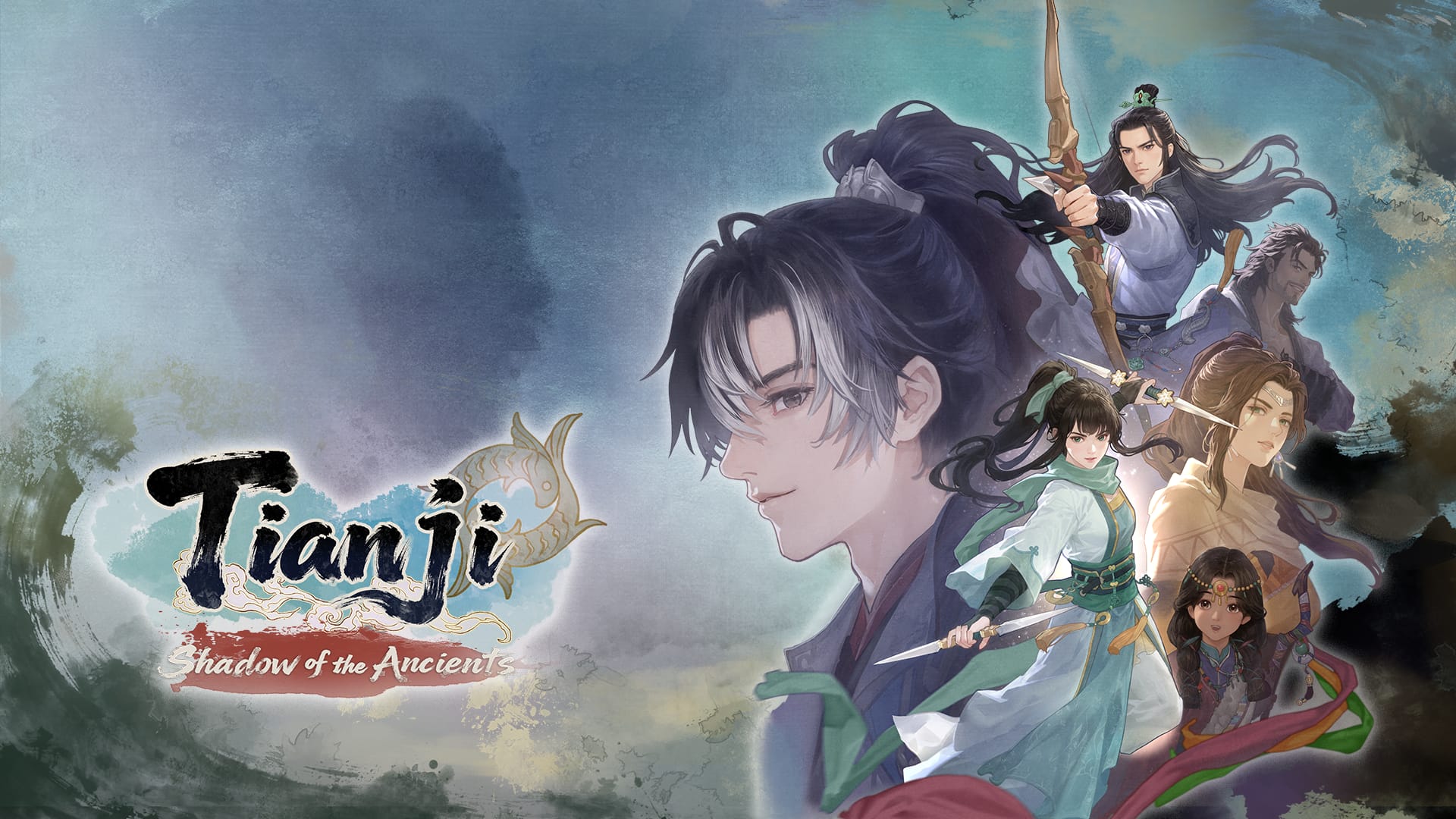
If the enduring success of Square Enix is any measure, then the rise of HD-2D-style games proves that nostalgia is still a powerful force, pumping fresh blood into the classic role-playing genre. But this new wave isn’t just about turn-based action; it’s about reimagining the very foundations of fantasy. Taipei-based developer Justdan has unveiled their latest offering, Tianji: Shadow of the Ancients”>Tianji: Shadow of the Ancients, an RPG that pays homage to the genre of yesteryear while infusing it with a distinctly mainland-Asian sensibility.
Set in a world powered by the mystical energy of Qi, the game transports players to the Tang Dynasty. While players may be familiar with Eastern martial arts, the concept of Qi energy—residing in all living things—is the engine that drives this reality-adjacent world. Practitioners harness this energy for powerful, mystical effects, setting up a system that feels like magic but possesses unique, localized roots.
Our journey begins with Shangguan Shuo, a protagonist facing a classic adventurer’s plight: amnesia inflicted by the nefarious Xuanxin Order. His quest is to rebuild his memory and uncover the identity behind a strange voice that haunts him, setting the stage for a compelling narrative.
As Shuo embarks on this quest, he is joined by a noble and often chaotic cast of companions, eager to throw themselves into harm’s way alongside him. Their commitment ensures that every turn-based confrontation is a shared ordeal.
The visual aesthetic is equally striking. Unlike some modern counterparts, Tianji employs razor-sharp 2D chibi-style character renderings based on their key art, infused with animated touches during cutscenes. Rendered via Unreal Engine 5, the environment is a harmonious blend of smaller 3D villages, lush forests, and towering mountains, all interconnected by visible Qi leylines that cut across the overworld map.
The gameplay masterfully balances light exploration with deep turn-based combat. While the initial hours are easy to dive into, the deliberate pace is where the true charm lies, offering meaningful strategic depth beyond simple button-mashing.
The developers have thoughtfully addressed modern player needs, offering accommodations to speed up the experience for the ADHD-HD2D generation. Battles can be accelerated up to 2x speed, and players can automatically dispatch lower-level foes upon leveling up, streamlining the experience without sacrificing strategy.
Progression is handled through a vertical skill tree designed to offer genuine choice rather than mere formality. Skills weave across the party, encouraging tactical synergy, and many lean into elemental strengths, adding a crucial layer of strategy to the combat instinct. One particularly clever mechanic, Scattered Stars II, rewards critical hits with free, random strikes, promising complex depth as players delve deeper.
Furthermore, the companions are far more than just party members. Each character possesses a personal side story and unique skills that deepen the role of interaction. By spending time with them, players can unlock enhancements, master cooking buffs, and trade items, ensuring that those who prove their loyalty become indispensable assets.
This focus on the world is further reinforced by the environmental design. Ignoring the quest markers often reveals hidden bosses, side quests, and dungeons tucked away in the scenery, rewarding the player for exploring the world beyond the main roads.
With a vision that merges ink-wash scenery, an amnesiac hero with an internal mystery, and a genuinely engaging combat system, Tianji: Shadow of the Ancients”>Tianji: Shadow of the Ancients is shaping up to be a standout title. While the game is pencilled in for release in 2027, targeting both the Switch and PS5, the early promise suggests that this infusion of tradition and innovation could redefine the next generation of RPGs.
Buy on Amazon
Credit