Hear the music for canceled Mass Effect 5 by Austin Wintory
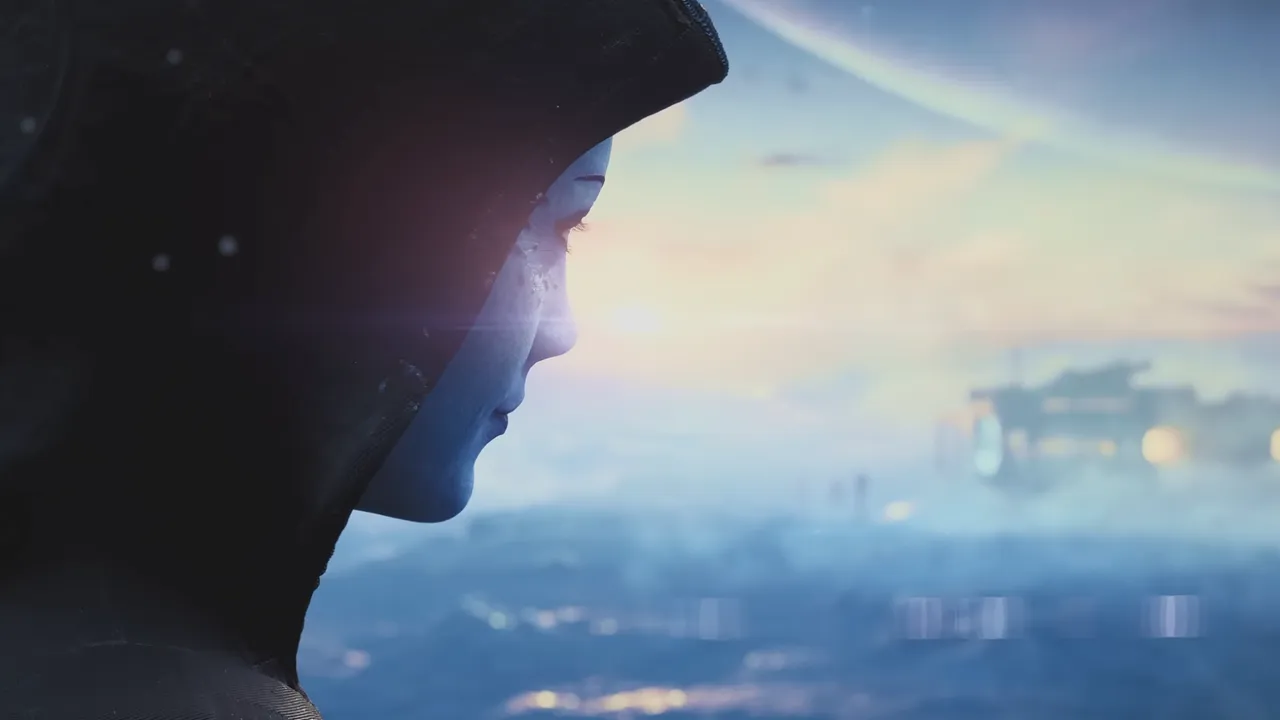
Every gaming fan holds a secret wish for a game that never was. For composer Austin Wintory, that wish centered around a franchise that defined a generation: the Mass Effect series. When the studio behind it, BioWare, shut down and canceled the highly anticipated Mass Effect 5, it wasn’t just a commercial loss; it was the extinguishing of a creative dream.
Wintory, the award-winning maestro behind iconic scores like Sword of the Sea and Journey, had been actively involved in discussions to bring music to the next chapter of the saga. He called Mass Effect an “all-time dream project” and his desire to score what would become Mass Effect 5 was his personal “white whale”.
During those early conversations with BioWare and EA, Wintory envisioned a score that would build upon the original masterpiece created by Jack Wall and Sam Hulick. His vision involved moving beyond traditional scores, exploring deeper use of physical and analog synths, and weaving in the emotional complexity of a large orchestra. He saw it as a “love letter” to the franchise, intending to treat the music as a heartfelt tribute before any plot details were finalized.
Out of this excitement, Wintory surprised the developers by releasing an extensive set of musical drafts online. These drafts, totaling twenty minutes of audio, offered fans a glimpse into what the musical landscape of the next installment could have been. While the exact plot remained a mystery at the time, the music itself was pure musical exploration, capturing the potential emotional scope of the universe.
Despite the eventual cancellation of the project, the creative journey did not end there. Wintory poured his heart into the work, recording and producing the drafts with synths, vocals, and a full orchestra in Los Angeles. Whether these pieces would ever see the light of day in the official game or not, the dedication to the vision remained undeniable. He expressed deep sadness over the dissolution of the studio and the sense that a beloved franchise seemed to vanish forever.
The impact of BioWare’s demise resonated far beyond the gaming sphere, shaking the wider entertainment industry. Decades of groundbreaking storytelling gave way to the closure, prompting a massive reaction from the community. Fans rallied, launching petitions and demanding change, demonstrating how deeply attached they were to the world BioWare had built.
Even as the studio faded, the spirit of the Mass Effect universe lives on in the dedication of its community. The sheer weight of the franchise’s legacy, and the creative hopes it generated, serves as a powerful reminder of the enduring connection between creators, audiences, and the stories they build.
Buy on Amazon
Credit