Hellblade Staff Depart as Ninja Theory Faces Layoffs
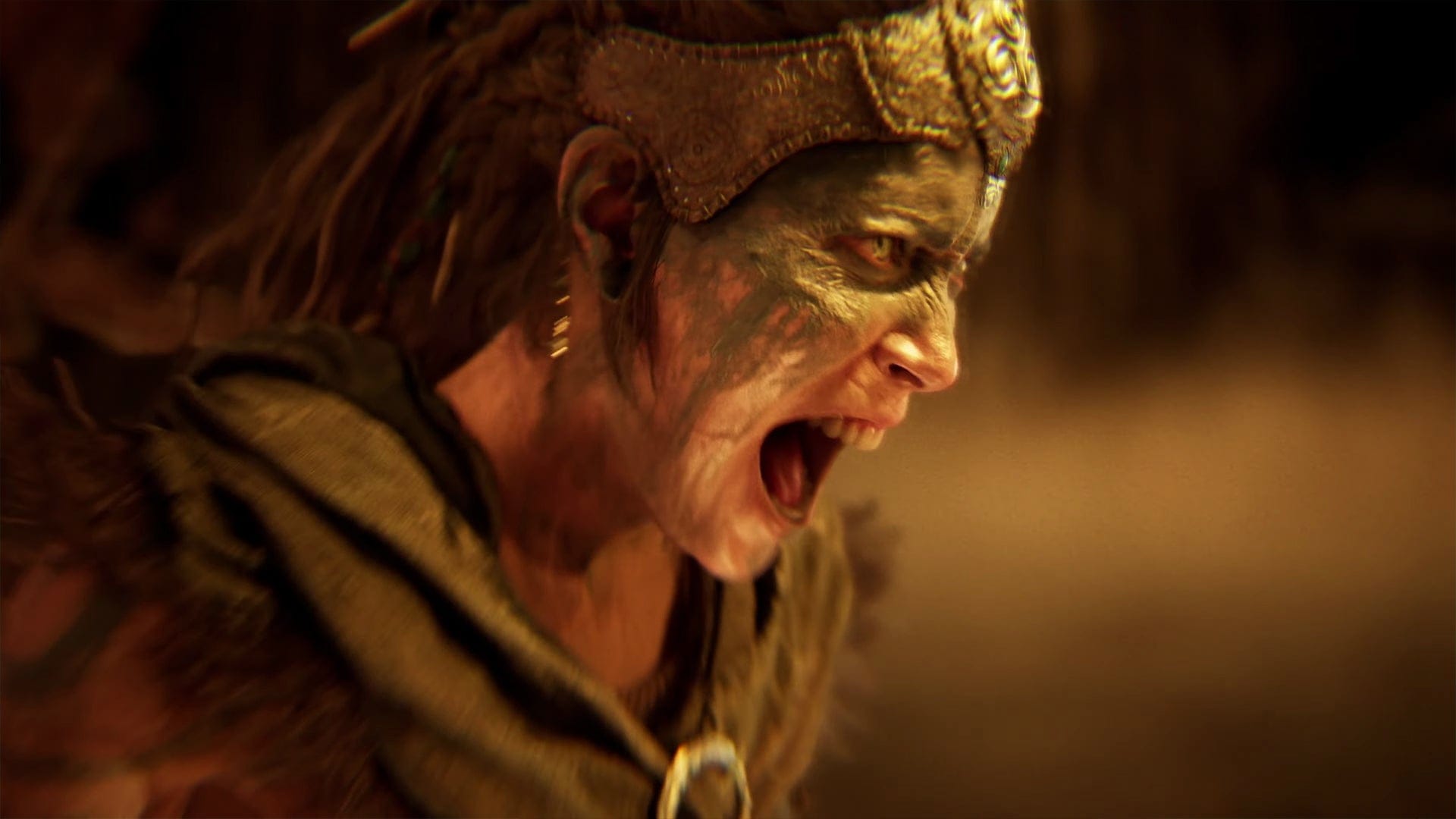
When a giant like Xbox signals an intention to close a beloved developer like Ninja Theory, the ripple effect isn’t just felt in corporate memos; it echoes through the personal lives of the talented individuals who poured their passion into the project. The story of the studio’s uncertain future is now playing out in the LinkedIn feeds, revealing the profound personal consequences of a decision that impacts more than just a company.
For those deeply embedded in the development process, the severance is more than just a change of employment; it’s a loss of a professional home. Katrin Mair, a gameplay programmer at the studio, shared the emotional weight of the situation. She reflected on the connection she had with the team, noting that Ninja Theory was never just a job but a place where she grew into her career. “I feel very lucky that this was the place where I got to start my career and grow into the programmer I am today,” she wrote, expressing sadness that they would not get to see their vision fully realized.
This feeling of loss is shared across the team. Other colleagues have spoken about the dedication and camaraderie they experienced while crafting worlds like Hellblade. Loong-Wei Ding, the technical director, departed the team and made a call for other studios to seek out his colleagues, illustrating the sense of community that was suddenly fractured.
The impact extends to specialized roles as well. Alessio Mellina, an expert technical sound designer, faced redundancy after twelve years spent honing the industry-leading binaural audio that gave Hellblade its haunting atmosphere. His departure highlights the cost of specific, long-term expertise within large studio structures.
Similarly, performance capture expert Xoe Suvari was among those let go, reflecting on the immense effort involved in building the performance capture stage and navigating the complex pipelines. His comments pointed to the collective achievement of building a top-of-the-class team through sweat and innovation.
This situation is part of a much wider corporate restructuring happening across the gaming landscape. While the Hellblade story focuses on a single studio, the larger shift involves Microsoft and its portfolio. Recently, Microsoft announced a significant shakeup, including giving the developer of the next mainline Halo game—the maker of Activision—control over Halo Studios. This move, alongside the acquisition of developers like World’s Edge and Rare under the Activision umbrella, signals a massive realignment of assets.
Further adding to this trend, Obsidian, the developer behind critically acclaimed titles like Grounded and The Outer Worlds, has transitioned into a Bethesda studio, beginning work on a new Fallout game. Xbox Chief Content Officer Matt Booty indicated that these strategic changes are part of a larger, ongoing restructure, suggesting that job losses are likely to continue over the coming months.
The narrative emerging from these events is one of shifting priorities in the gaming industry—where massive corporate maneuvers are inevitably translated into human consequences. For the developers and artists who build worlds, the fate of the studio is deeply intertwined with their own professional futures.
Buy on Amazon
Credit
