How 97 Super Mario Duck Hunt copies were found in Wisconsin
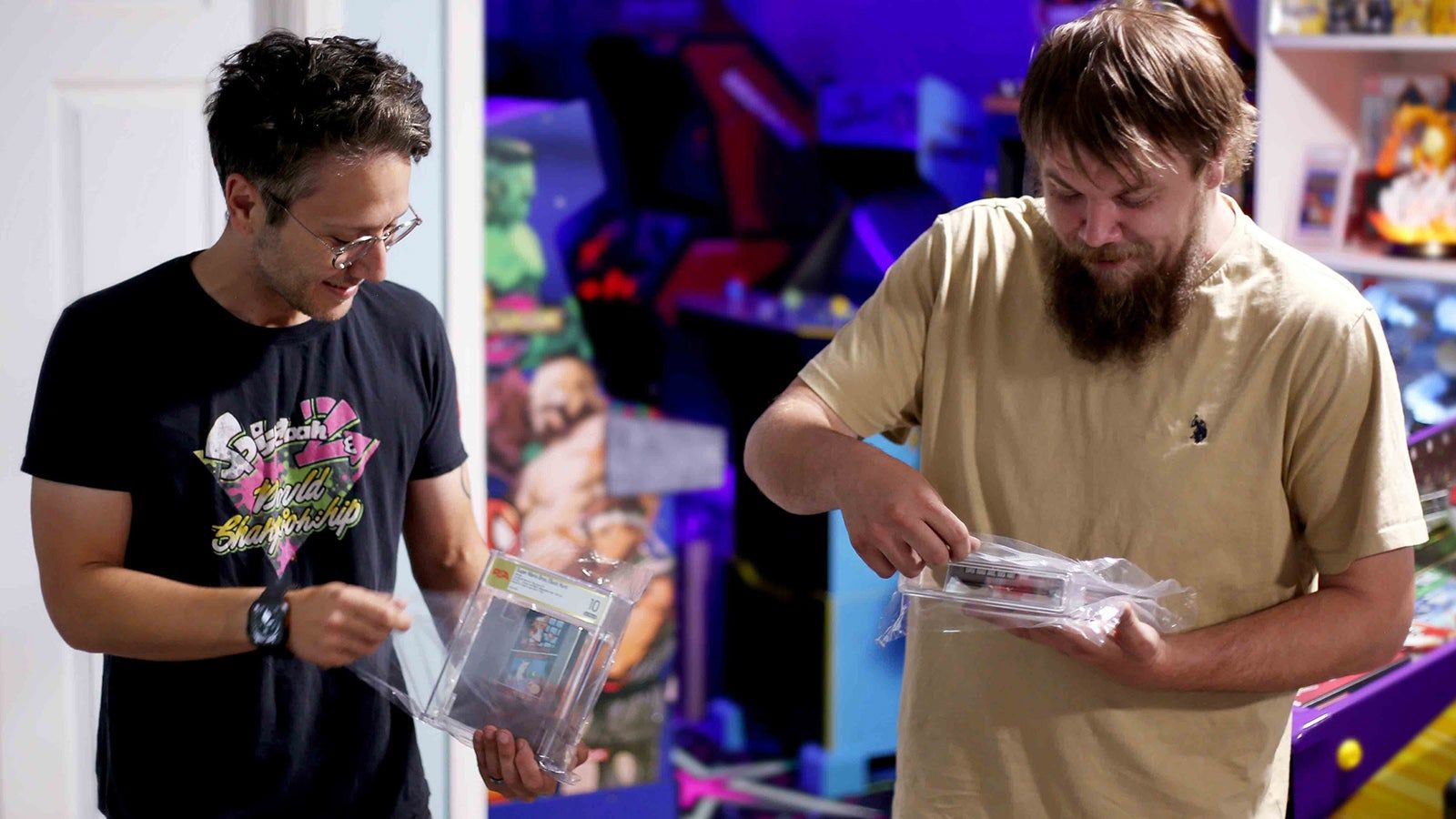
Some of the greatest treasure hunts are not about buried gold; they are about dusty boxes in attics. For Jason Ganos, an avid Nintendo fan and online content creator, a simple task—selling old NES cartridges—led him to an experience that would forever redefine his understanding of retro gaming history.
The adventure began in Waukesha, Wisconsin, a city steeped in vintage charm, where the downtown area is packed with classic shops. Here, collector Kevin Braun owned OneStopWonders, a store dedicated to everything from VHS tapes and retro games to vintage clothing. Three months ago, Ganos started working with Braun, initially helping repair old pinball machines.
It was while working with Braun that Ganos learned about the remarkable items languishing in Braun’s storage unit. One day, a seller brought in a box of NES cartridges six years prior. The seller recounted a fantastical story: Nintendo had allegedly instructed them to sell the stock to a precious metal recovery service to extract gold from the circuit boards.
What Ganos found inside that box was far more astonishing than a simple tale of folklore. Tucked away were 97 individually-wrapped copies of Super Mario Bros. / Duck Hunt for the NES, dated to December 1, 1995. This haul was an immediate anomaly; the existence of these specific variants, which included non-standard labels and different board specifications, immediately raised eyebrows.
The sheer uniqueness of the find drew attention from industry heavyweights. Ganos was approached by directors from major grading companies, including PSA Games, who warned him that something about the cartridges seemed profoundly “off.” They asked for detailed photos of the game inside and the circuit boards, setting the stage for an unprecedented authentication process.
The investigation revealed a history of unique manufacturing. Experts observed that these copies were manufactured in late 1993, making them some of the latest prints ever seen of the game. Furthermore, they featured bilingual back labels and different manual language—a rare combination that Nintendo would typically not have released for such a large quantity.
PSA Games confirmed the legitimacy of the collection after rigorous inspection. Not only were all 97 copies validated, but five of them received a perfect 10 grade—a score the company has never awarded to an NES cartridge before. This collection was so special that PSA serialized the entire set, creating a unique historical artifact.
The pristine condition of these game carts, Ganos noted, is due not just to their storage in a climate-controlled environment but also the protective plastic baggies they were kept in. This meticulous care ensured their value was exponentially increased.
The financial implications of this discovery are staggering. While exact valuations remain speculative, experts estimate that these rare, pristine copies could command a price somewhere in the four-to-five-figure range. For Ganos, the experience culminated in a surreal realization: finding his place in a fascinating and legendary chapter of Nintendo history.
Buy on Amazon
Credit