How a decade of strategy made Overwatch the PvP king
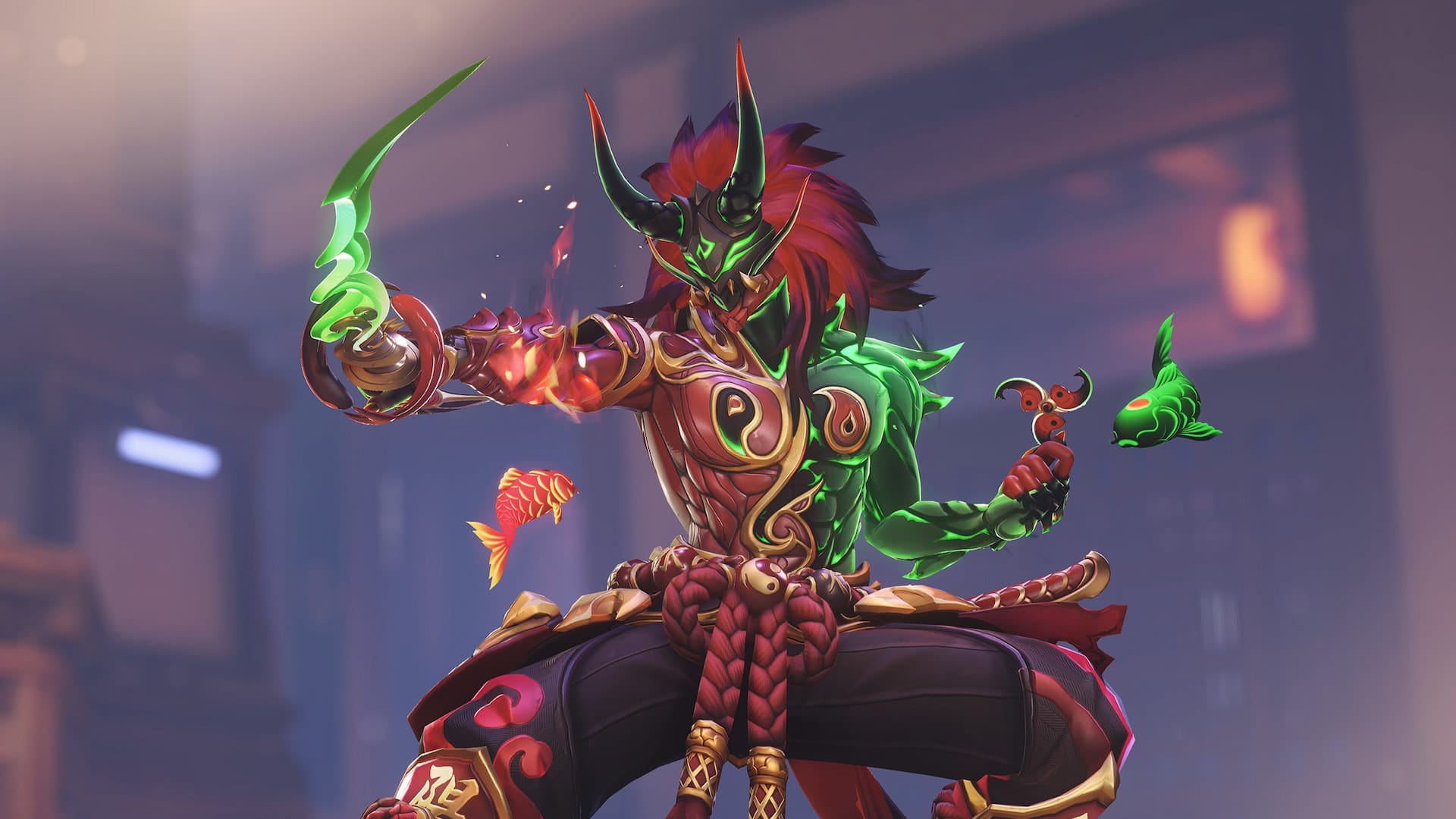
BlizzCon 2026 was a massive celebration of the Blizzard universe, featuring exciting new entries for beloved franchises like Diablo, World of Warcraft, and even StarCraft. While the announcements for these giants certainly made for a grand spectacle, one franchise felt less like a mere announcement and more like a well-deserved victory lap: Overwatch.
Launched in 2016, the story of Overwatch is one of perseverance, punctuated by thrilling gameplay, significant community shifts, and the inevitable bumps that come with navigating the competitive landscape of massive multiplayer online games. It has weathered the storms of evolving game design and changing player expectations, proving its enduring appeal despite the inevitable ups and downs that accompany any long-running title.
Overwatch isn’t just a collection of heroes and frantic team fights; it represents a fascinating journey of growth. From its initial launch, the game has consistently adapted, evolving its mechanics and narrative to keep players engaged. This continuous evolution highlights the dedication of both the development team and the community that has shaped its identity.
The trajectory of the game reflects a broader trend in the gaming industry—the constant balancing act between maintaining a beloved core experience and introducing fresh content to keep the flame burning brightly. Each update and expansion has added layers to the world, rewarding players with new challenges and deepening the lore, ensuring that the experience remains vibrant and fresh for those who engage with it.
Ultimately, the narrative of Overwatch is a testament to the power of a strong foundation combined with relentless iteration. It stands as a vibrant example of how a community can support a game through its lifecycle, turning periodic dips into opportunities for renewed excitement and celebrating the victories along the way.
Buy on Amazon
Credit
