How The Witcher 4 and GTA 6 are made cost-driven
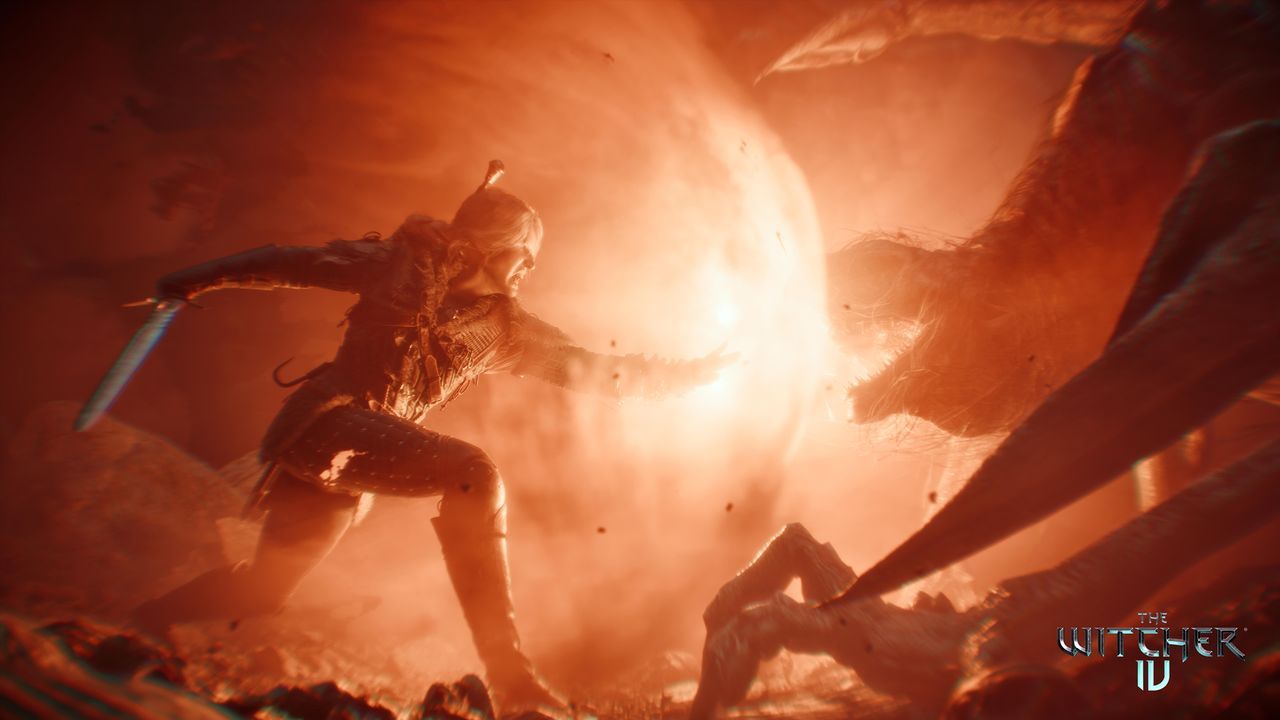
The video game industry operates at a fascinating, often painful intersection of pure artistic vision and ruthless business reality. Convincing the financial side of the industry to fund the passionate artists behind the games is an endless battle. Yet, some giants, like CD Projekt Red, suggest that true creative freedom isn’t about simply pinching pennies; it’s about understanding the unique value of their craft.
Michał Nowakowski, joint CEO of CD Projekt Red, argues that while cost is certainly a factor, it cannot be the defining pillar of development. He posits that the paramount consideration must always be quality—meeting the expectations of the fans for the next great installment of a franchise like The Witcher.
“We are cost-conscious,” Nowakowski admits, but quickly pivots to the deeper truth. “It’s not unimportant. We’re a business in the end, so I would be lying if I said it doesn’t matter how much the game costs. But the first thing is whether the quality we’re meeting is there, period. Whether we’re meeting the expectations of what the fans are expecting from the next installment of The Witcher. This is the dominant thing we look at.”
This philosophy pushes back against the notion that development is purely a cost-driven exercise. Nowakowski suggests that a purely cost-driven model fundamentally limits the scope of ambition. He further argues that if the goal were strictly cost-driven, projects of epic scale, such as The Witcher 4, would be impossible to achieve. Similarly, he suggests that the development of massive titles like GTA 6 likely defied a strictly cost-driven development plan.
The history of major game launches also offers a sobering look at the psychological pressures of the industry. While the pursuit of financial gains is obvious, the decision of when to release a game is rarely a simple mathematical equation. Nowakowski acknowledges that decisions regarding launch timing are often far more complicated and psychological than simply satisfying investors or market demands.
Even in the wake of past challenges, like the highly publicized launch of Cyberpunk 2077, the industry can learn that development burnout and release strategy often outweigh simple financial leverage. The legacy of the industry is a continuous negotiation: balancing the artistic desire to create transcendent worlds with the practical necessity of operating a profitable business. Ultimately, the fight is not just over money, but over what defines a truly successful game.
Buy on Amazon
Credit