Ignore the $1800 Xbox for an Evercade Nexus instead
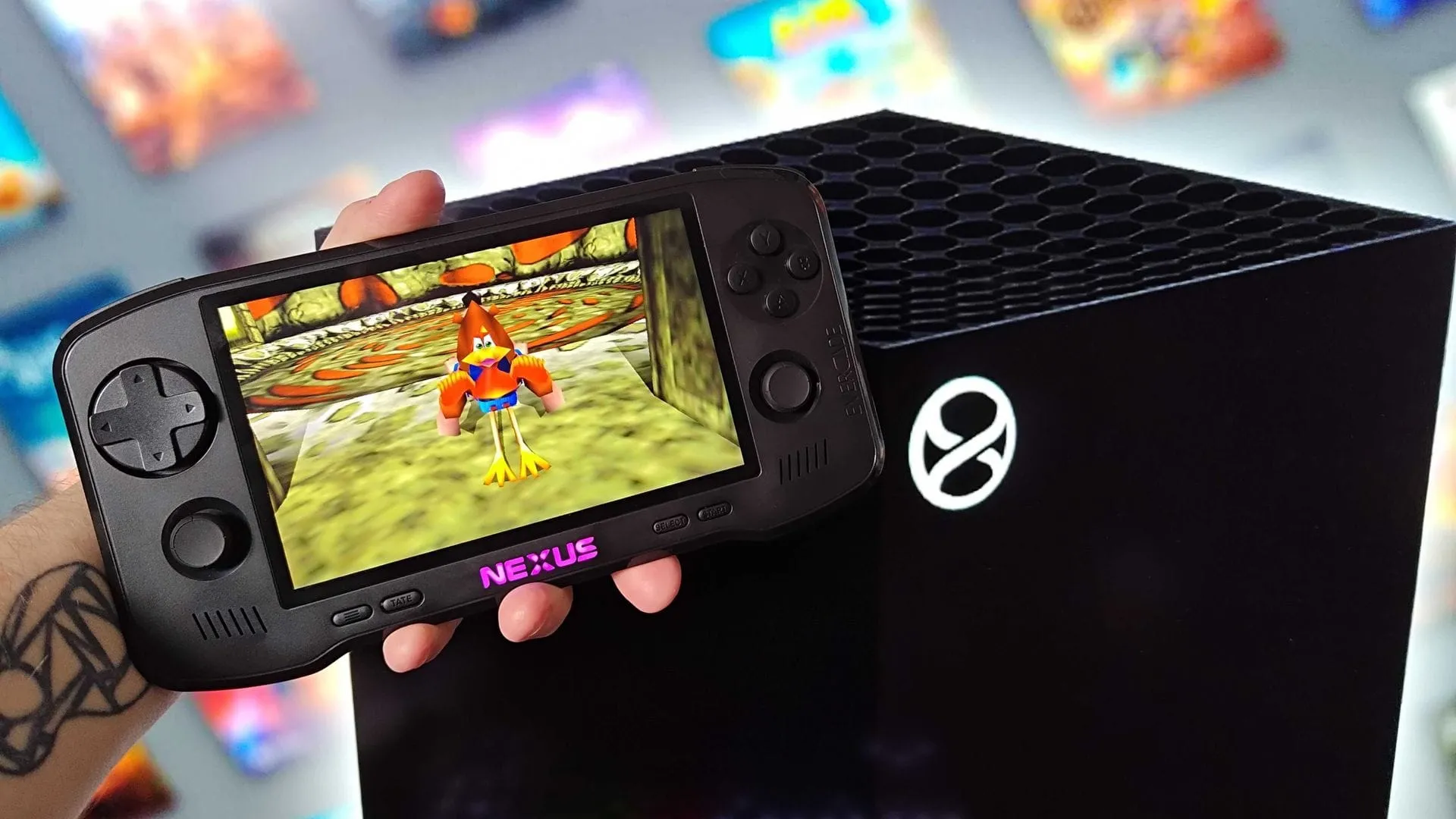
When the gaming industry focuses its attention on consoles priced in the thousands, it’s easy to wonder where the true joy of playing lies. For some, the allure of high-end hardware is tempting, but for others, the search for value leads them to a more delightfully tangible alternative: physical gaming. This is where the Evercade Nexus steps into the spotlight, offering a compelling counterpoint to the escalating costs of next-generation consoles.
The argument isn’t just about saving money; it’s about a philosophy. While major platforms are chasing massive, expensive hardware upgrades, the Evercade ecosystem champions the art of physical, approachable gaming. It’s an invitation to step away from the relentless cycle of expensive processing power and return to the simple, satisfying experience of playing games with physical cartridges.
Some might argue that the Nexus isn’t the absolute pinnacle of retro handheld technology, lacking features like dedicated sleep modes or premium displays. However, its true genius lies in its portable premise. It is a system designed specifically to project the spirit of physical gaming onto a modern handheld format, providing access to a vast library of over 700 classic and indie titles.
This approach shifts the focus from raw processing power to content and community. The Nexus isn’t just a device; it’s a portal to a rich catalog of games that stand ready for immediate play, proving that an engaging gaming experience doesn’t require an exorbitant price tag.
The strength of the Evercade ecosystem is rooted in its history. From its inception, it has fostered a community that values ownership and legacy, constantly expanding its game releases and hardware options. This dedication has transformed it from a novelty into a fully fledged, enduring platform that provides offline access to beloved classics while the industry navigates the complex landscape of next-gen hardware.
Whether you choose the Nexus as your daily driver, or opt for a more budget-friendly option like the Super Pocket, the choice ultimately reflects a preference for tangible content over platform lock-in. It signals a desire to buy, own, and play games without feeling compelled to invest in the most expensive consoles available.
Ultimately, the story of the Evercade is about player empowerment. It stands as a spectacular testament that even in a world dominated by multi-thousand-dollar consoles, there is still room for accessible, heartfelt, and genuinely fun gaming experiences.
Buy on Amazon
Credit