Indie game explodes from 10 reviews to 500 playing an Undertale mod
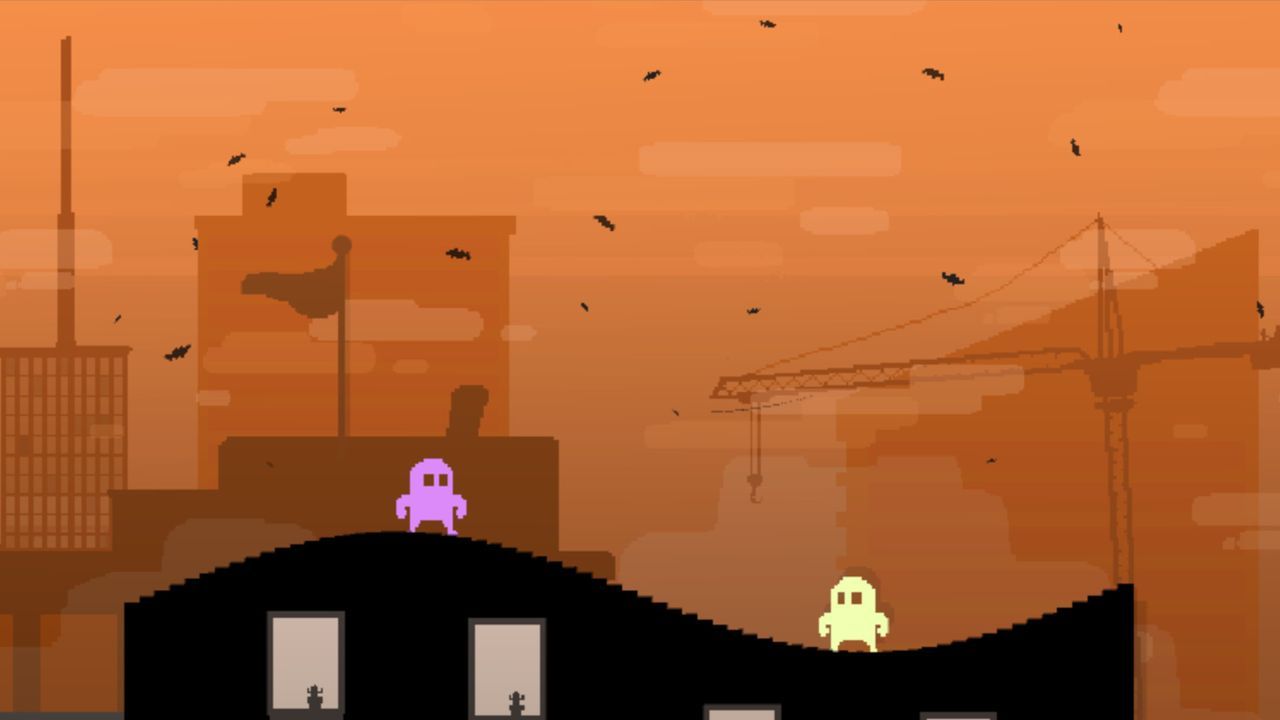
Sometimes, the most unexpected journeys in gaming don’t start with a grand vision; they start with a clever trick. For indie developer RetroSpecter, this unexpected detour involved a simple platformer called Crashphalt, which somehow ended up acting as the secret catalyst for remote multiplayer fun in the world of Undertale.
When RetroSpecter first launched Crashphalt nearly eight years ago, his goal was pure: to release an accessible multiplayer fighter on the Steam store for free. The initial reception was solid, leading to a few positive reviews and allowing him to hone his skills. While it didn’t become a global phenomenon overnight, the project served as an invaluable stepping stone, teaching him the ropes of game development from start to finish.
But as time passed, something unexpected began to happen. Crashphalt started accumulating Steam reviews—a significant increase that drew attention to its community. Amidst the praise, a recurring theme emerged: references to the beloved RPG, Undertale. It was at this point that RetroSpecter noticed a fascinating ripple effect.
The key lay in understanding the limitations of modding. The popular “Undertale Together” mod allows multiple players to enjoy the game simultaneously, but Steam generally restricts such functionality to local play only. This meant developers needed an unconventional way to trick the platform into recognizing the game as supporting remote connections.
RetroSpecter discovered that Crashphalt offered a perfect, albeit accidental, solution. By cleverly copying and renaming specific files from Crashphalt into a directory used by the Undertale mod, he created a loophole. The trick involved renaming the Undertale executable file to Crashphalt‘s name. This seemingly simple file manipulation convinced Valve’s marketplace that the game was booting up RetroSpecter’s original title instead of just the mod, thereby enabling remote play.
This ingenious workaround turned Crashphalt into an essential piece of infrastructure for the mod community. As a result, download numbers and concurrent player counts for Crashphalt saw a remarkable spike. This effect mirrored similar growth seen with other games, such as mods for Deltarune, further proving the concept’s viability.
The technical requirement was surprisingly simple: the game needed to have Remote Play enabled, and thankfully, Crashphalt being free made it an easy target for community ingenuity. RetroSpecter called the experience “really cool,” noting that his creation had found a second life through this unexpected synergy with the wider gaming world.
It’s a testament to the spirit of indie development—that sometimes, the most successful creations aren’t just about the game itself, but about the hidden connections and creative opportunities they unlock for others.
Buy on Amazon
Credit