Intel patented RGB-lit CPUs
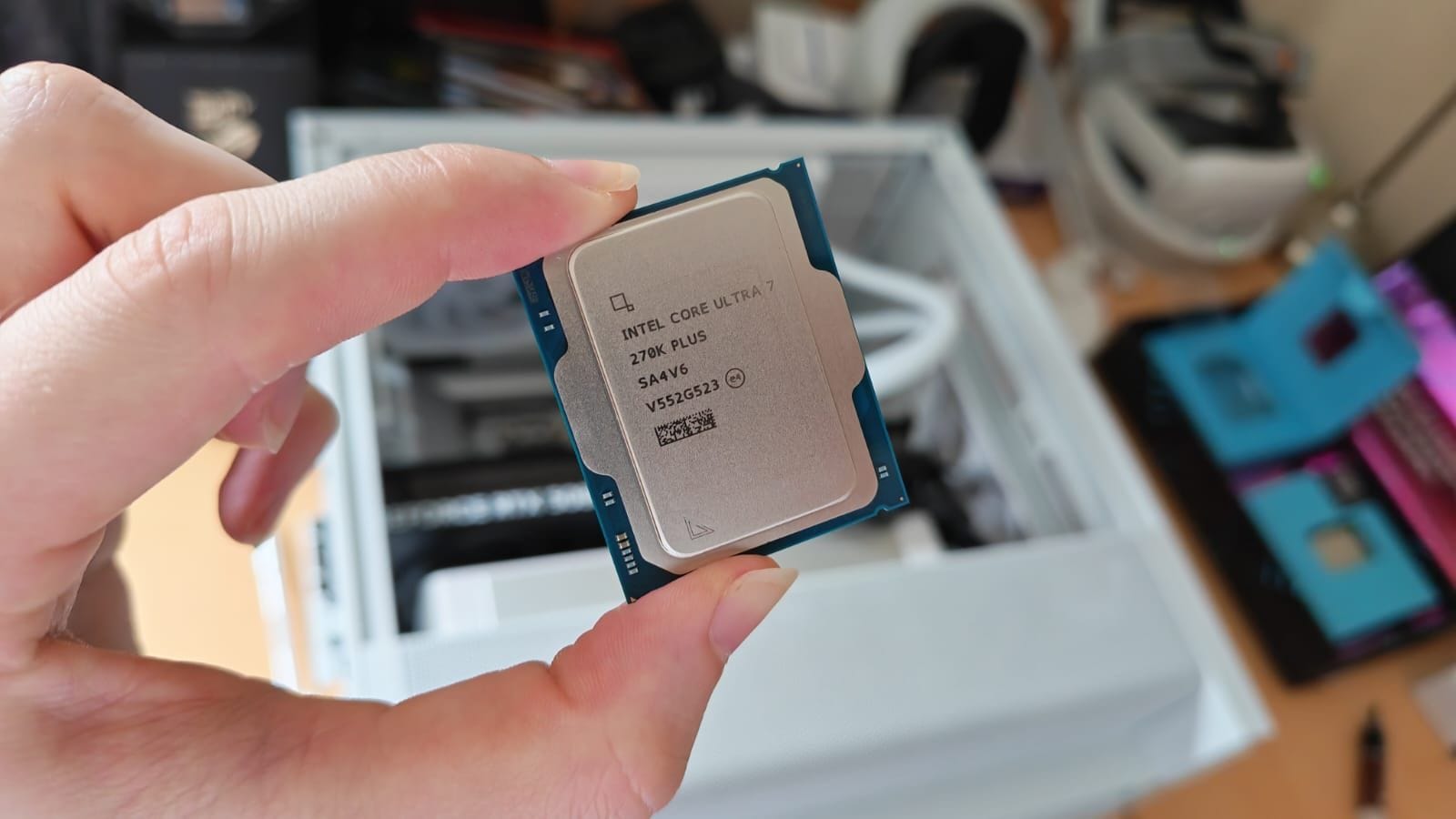
In the world of gaming PCs, the obsession with RGB lighting is undeniable. Every component seems to justify a vibrant glow, from the case fans to the memory sticks. Yet, when you dig into the mechanics of the system, many of the most vital components are deliberately hidden—the power supply unit is tucked away, and the CPU is perpetually smothered by a cooler. This creates a fascinating tension between the aesthetic desire of the builder and the physical reality of hardware design.
But what happens when a company like Intel decides to challenge these physical constraints? They have recently published a patent for CPUs featuring Micro-LED arrays built directly into the semiconductor die, a development that certainly makes some observers scratch their heads.
Titled IC Package With Micro LEDs, the patent details the inclusion of these tiny light-emitting diodes through a glass substrate built directly onto the semiconductor. Intel suggests these micro-LEDs could serve multiple purposes: acting as aesthetic components, indicating electrical test statuses in real-time, or even illuminating text across the central processing unit.
While the potential for aesthetic customization is certainly appealing, the practical application of this technology raises immediate questions. A CPU, by its very nature, requires robust cooling. As the article points out, the physical necessity of a cooler or heat spreader makes it difficult to see or fully appreciate light emanating from the processor itself. This presents a significant hurdle for how these new light features could be realized in a functional, visible way.
The patent also touches on a lucrative business angle. The description notes that customers are willing to pay more for RGB variants of hardware, and Intel suggests that adding micro-LEDs could increase profit margins for these electronic devices. This suggests that the push for integrated lighting may be as much about market appeal and monetization as it is about radical hardware redesign.
This focus on patents, rather than immediate product implementation, suggests a strategic move. While some might see this as an overly complex pursuit, it is certainly an interesting path for Intel to try and appeal to the gaming market, particularly in the ongoing competition with rivals like AMD.
Ultimately, the story of the Micro-LED CPU is less about a revolutionary physical change and more about the intersection of consumer demand, hardware limitations, and business strategy. It reminds us that even in the highly customized world of PC building, the physics of engineering still dictate what is possible.
Buy on Amazon
Credit
