
Invest in these 4 crops early in Stardew Valley
When a game manages to capture the hearts of millions, it stops being just a pastime; it becomes a platform for savvy investment. IGN is launching The Long Game, a new series dedicated to the strategies and early investments that yield massive returns in popular games. We kick off this series with Stardew Valley, an indie farming and life simulation that has celebrated a decade of success and offers deep, rewarding financial potential.
If you haven’t experienced the charm of Stardew Valley yet, you’ll find yourself stepping into the role of a farmer inherited from your grandfather. Your mission is simple: take charge of a run-down farm and restore it to its former glory. This means clearing land, tilling soil, planting seeds, and upgrading your property and equipment to maximize efficiency.
Success in Stardew Valley isn’t just about sweat equity; it’s about smart resource management. While fishing and mining provide initial funds, the real stream of income comes from harvesting and selling crops. To really capitalize on your time, you need a game plan that maximizes profit across the seasons.
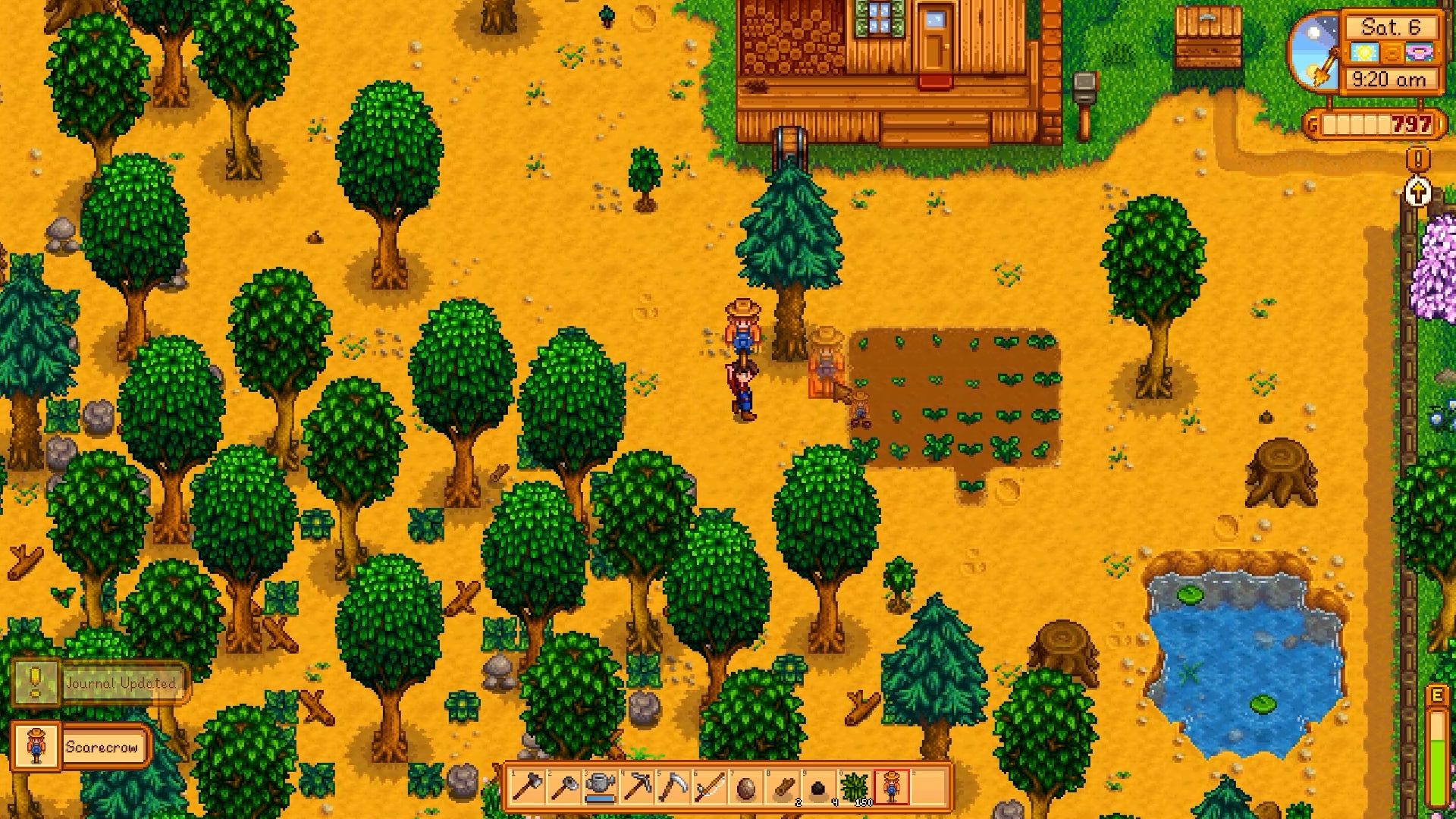
Before diving into the specific crops, a few general farming tips will keep you afloat. Remember that seeds need daily watering for proper growth, but don’t sweat the small stuff—if it’s a rainy day, let Mother Nature handle the hydration. Keep an eye on the farmhouse TV for weather updates to plan your next move. Furthermore, crafting scarecrows and sprinklers early is highly recommended. They save you from crop loss by deterring birds, and the sprinklers automate watering, freeing up your valuable time.
One crucial element of Stardew Valley is the seasonal cycle, which shifts every 28 days. To maximize early wealth, focus on crops that cycle quickly and offer high potential. We look at four specific plants that stand out as the most cost-effective investments in the initial spring.
Parsnips
These are the perfect foundation for your farming journey. You receive free initial seeds, and after that, they cost 20 gold each at Pierre’s General Store. They grow quickly, taking just four days, and you can sell them back for 35 gold each. By staggering their planting, you create a steady, reliable income stream as you build momentum.
Potatoes
Potatoes offer a significantly higher profit margin. They cost 50 gold upfront but can be sold for 80 gold. While they take six days to sprout, their true value lies in a unique risk/reward scenario: every potato has a 20% chance of yielding a surprise second potato. This element of chance adds an exciting boost to your profits when it strikes.
Cauliflowers
For the ultimate high-margin investment, consider cauliflower. Seeds cost 80 gold, but the reward is spectacular: you can sell them for a whopping 175 gold. While they require 12 days to mature, patient timing pays off. If you leverage the funds from a successful potato harvest, you can turn a modest investment into a substantial windfall, potentially even earning extra gold from special requests, like Jodi’s fresh cauliflower.
Strawberries
The poster child for long-term gain, strawberries demand a different, more strategic approach. They cost 100 gold each during the Egg Festival, but their growth cycle is an opportunity. Though they take eight days to mature, they regenerate quickly. By planting them immediately and utilizing a Speed-Gro fertilizer, you can maximize your returns. A single seed investment can potentially yield up to 720 gold through multiple harvests and fortunate double yields, setting the stage for massive bank accounts as spring cycles repeat.
These four crops provide a blueprint for maximizing your time and money in Stardew Valley. By understanding the growth cycles and maximizing the potential of each plant, players can transform a simple farming sim into a true long-term wealth-building adventure.
Buy on Amazon
Credit