iPhone Duo foldable gaming unlocked
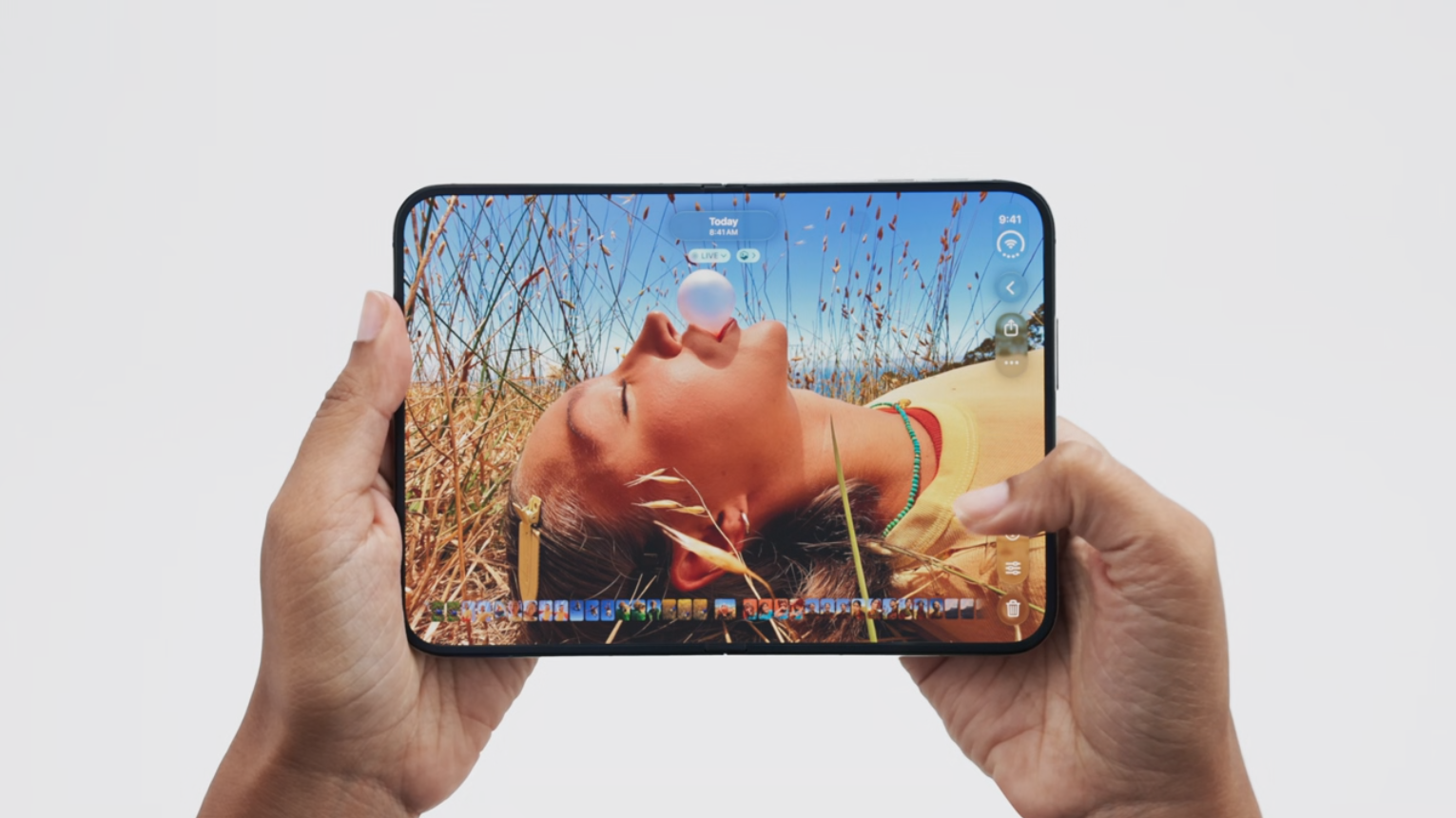
Folding phones have captured the imagination of many, offering a breathtaking leap in mobile technology. Devices like the Samsung Galaxy Z Fold 8 Ultra deliver incredible versatility for daily tasks, but when it comes to the high-octane world of gaming, the experience often hits a snag. The quest for a perfect gaming experience on a foldable device is less about the hardware itself and more about the software and the ecosystem surrounding it.
The central challenge often revolves around screen real estate and aspect ratio. While foldable screens are expansive, many popular games haven’t fully adapted to this new format, leading to frustrating visual compromises. For instance, games that default to traditional 4:3 aspect ratios force users to choose between having a small portion of the screen blocked off or accepting a stretched, distorted image that cuts off critical gameplay elements.
Consider a game like Hearthstone. Whether a user chooses to limit the view or attempt a fullscreen experience, the inherent mismatch between the game’s design and the physical dimensions of the device means that essential details, like cards on the far edges of the battlefield, can be tragically cut off. This limitation isn’t just an inconvenience; it frustrates the promise of seamless immersion that foldable technology offers.
Ultimately, this friction often falls on the shoulders of the developers. While hardware manufacturers have the capability to create cutting-edge screens, the seamless gaming experience depends on game creators updating their assets to accommodate new form factors. If the software side lags behind the hardware, the potential of the foldable remains unrealized.
Even with Samsung’s continual improvements to the aspect ratio across the Fold 7 and Fold 8 Ultra, the outer display still presents some limitations compared to traditional slab phones. This form factor issue is mirrored in other foldable concepts, such as the iPhone Duo, which shares a similar 1.4:1 aspect ratio challenge. The difference, however, lies in the philosophy of the respective operating systems.
Apple operates with a famously strict approach to developers, setting clear guidelines for creating content. This philosophy is baked into their design documentation, emphasizing that applications should be built to resize naturally. This approach gives users a strong confidence that the experience will be cohesive and functional.
In contrast, the Android ecosystem, anchored by Google’s guidelines, offers similar advice, though the reality of game support remains more varied. While developers have technical documentation, the gaming community has found that games often remain an exception to these design rules, creating a gamble for users regarding compatibility.
Despite these hurdles, the direction is clearly moving toward greater compatibility. The strong emphasis placed by Apple on resizing and the native support for various tablet aspect ratios, such as those used by the iPad, suggests a path forward. It is highly likely that the next generation of foldables will see a significant reduction in these visual headaches, allowing players to finally enjoy their favorite card games without battling black bars.
Buy on Amazon
Credit