James Gunn teases a different take on a DC villain
In the sprawling, complicated universe of comic book storytelling, the classic trope of heroes and villains switching sides is hardly new. From Venom’s shift to villainy to Sinestro’s fall from grace, the fluidity of morality is often woven into the fabric of the narrative. But when that fluidity hits a major cinematic franchise like the DC universe, the history gets even more fascinating.
One particularly overlooked pivot in comic history involves the billionaire antagonist Maxwell Lord. This character has navigated a complex path, and recently, the spotlight has turned to how those foundational elements translate to the screen, especially as major actors like Pedro Pascal and Sean Gunn step into pivotal roles.
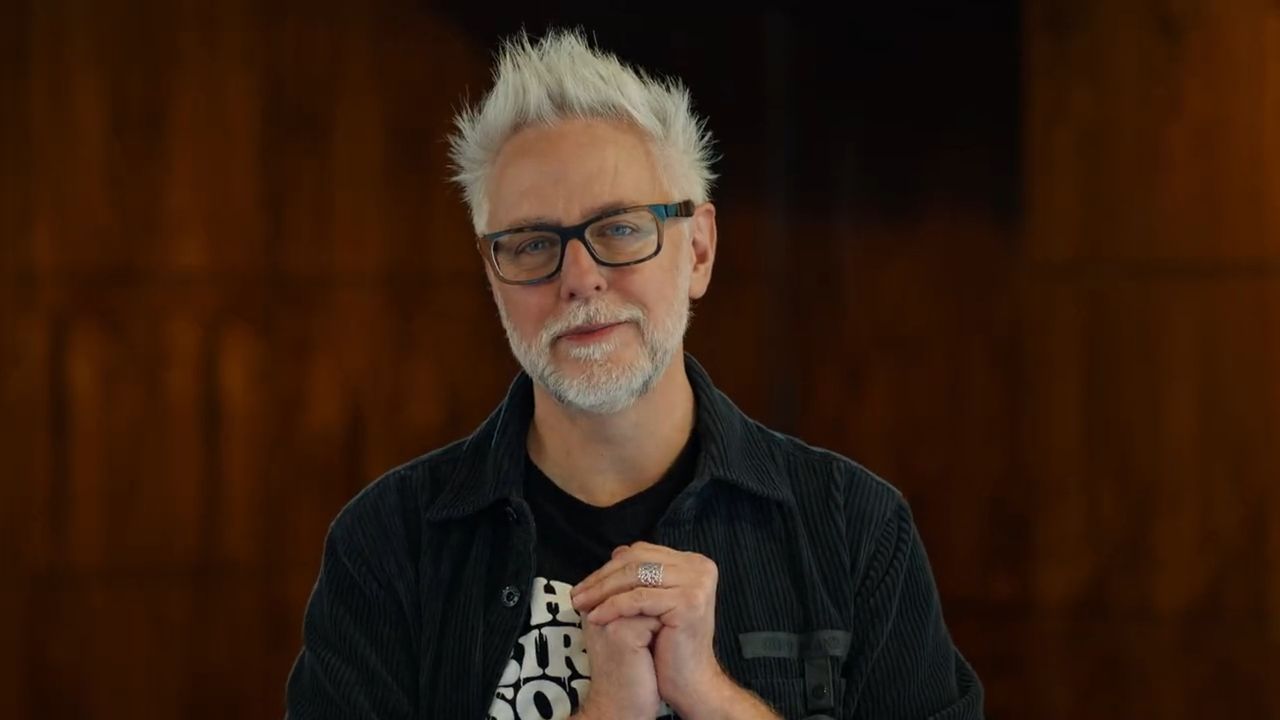
The recent discussions surrounding the Justice Gang and the evolving history of the Justice League have brought this layered backstory to the forefront. When James Gunn, co-head of DC Studios and director of Man of Tomorrow, addressed the involvement of characters like Guy Gardner, the conversation quickly moved from simple villainy to the deeper, often messy, origins of these iconic figures.
Gunn made it clear that the DC Universe is not simply a photocopy of the source material. He emphasized that the narrative can branch and evolve, allowing for complex character development. He championed an earlier, more nuanced version of Maxwell Lord, insisting that the character should be viewed through the lens of his original creators—including Threads—rather than relying on later retcons of pure malevolence.
Lord’s journey is a perfect example of this complexity. He began as an ally to the Justice League, playing a key role in the formation of the Justice League International. Yet, his path eventually diverged dramatically, culminating in a pivotal moment where he became an enemy, having his neck snapped by Wonder Woman in the events of Infinite Crisis after killing Ted Kord, the Blue Beetle.
This history creates a fascinating framework for how the Justice League’s journey might unfold in the expanded DC universe. In the final act of the Superman film, Guy Gardner enlisted Metamorpho into the Lord-funded Justice Gang, effectively layering new dynamics onto the existing narrative. This demonstrates how seemingly disparate comic elements can be woven into a cohesive and expanding cinematic tapestry.
As the DC cinematic landscape continues to grow, the influence of characters like Maxwell Lord will undoubtedly remain a central point of discussion. It reminds us that beneath the superhero costumes and epic battles lie deeply flawed, often contradictory histories, making the exploration of alternate realities a thrilling adventure for fans.
Buy on Amazon
Credit