Japanese players call Tekken 6 rollback mod serious crimes community splits
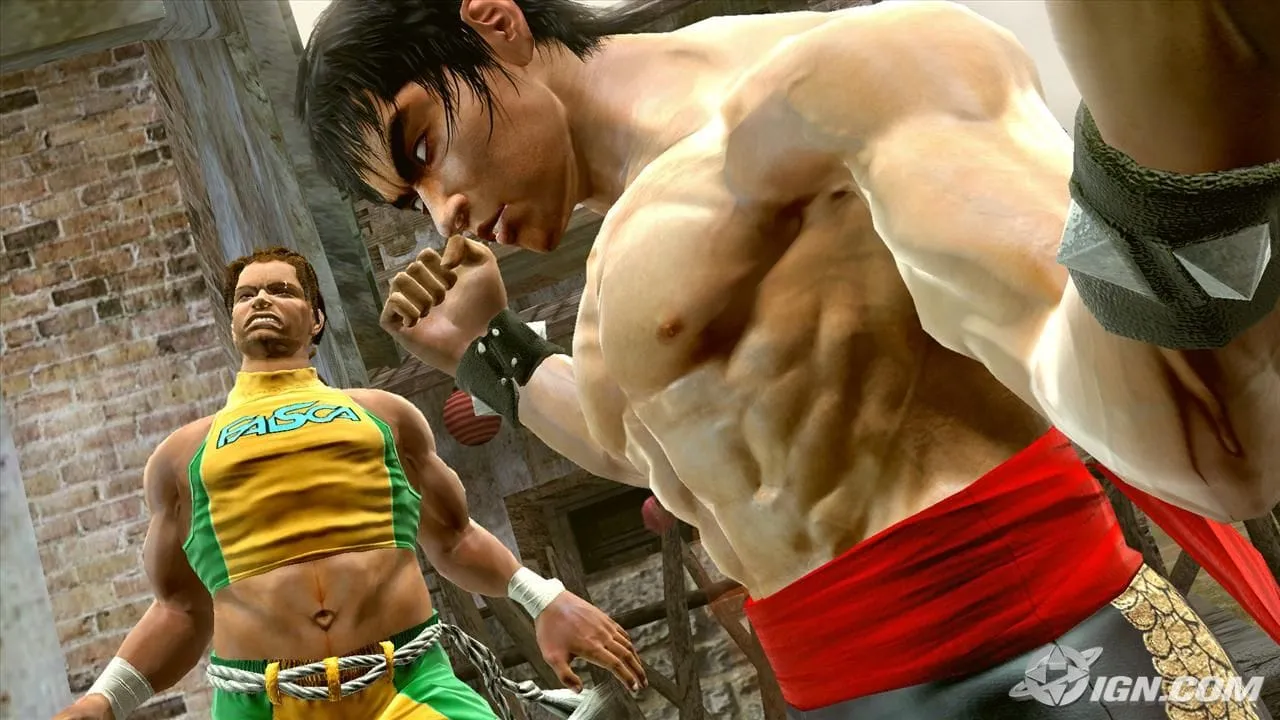
A small piece of software, born from community enthusiasm, managed to ignite a massive geopolitical debate in the fighting game world. A mod that unlocked online play and rollback netcode for Tekken 6 quickly became a global sensation, but the resulting conversation exposed deep, unexpected rifts between Western fans and the established communities in Japan and Korea.
The viral hit was created by a community member named Yuzinator, who compiled a package with rollback netcode and servers provided by Ekspym. This project instantly caught the eye of the fighting game community, attracting more than 10,000 players and recording thousands of downloads in just two weeks. Users were able to engage in competitive online matches, create lobbies, and even play the story mode, all thanks to the custom implementation.
But the excitement quickly collided with copyright concerns. While Western players embraced the open nature of the mod, players in East Asia reacted with fierce opposition, viewing the modifications as an act of outright theft against the developers, Bandai Namco.
The backlash was particularly vocal from Japanese users. Celebrated fighting game pro Dogura, for instance, expressed horror at the existence of the pirated version of Tekken 6, asserting that such actions crossed moral lines. He questioned the lack of oversight, implying that if the money flow ceased, the entire Tekken series might face an end.
Another Japanese user, Higemura, argued that while he appreciated the game’s mechanics, using unauthorized mods constituted an infringement on rights and the potential customer base of Bandai Namco. He suggested that if players desired a similar experience, they should develop a new fighting game rather than infringing on existing assets.
The intensity of the opposition was reflected in some baffling comparisons. One Korean user likened the modding activity to sexual assault, while another Japanese user made equally startling references to necrophilia and the Civil Rights Movement, highlighting the extreme moral divide regarding digital asset ownership.
This divergence sparked a wider philosophical debate within the fighting game community. Western players argued that if they could fix a broken piece of hardware, why should they be barred from enjoying the game? This led to discussions about support and ownership, prompting questions about the ethics of using unofficial content.
Ultimately, the story of the Tekken mod became a fascinating case study: a clash between the free-spirited nature of open-source modding and the stringent focus on intellectual property deeply rooted in East Asian gaming culture. Though the mod remains active and has not faced legal pushback from Bandai Namco, it inadvertently illuminated a very intriguing difference in how communities around the world view emulation and modding.
Buy on Amazon
Credit