Jeff Kaplan avoids Overwatch at all costs
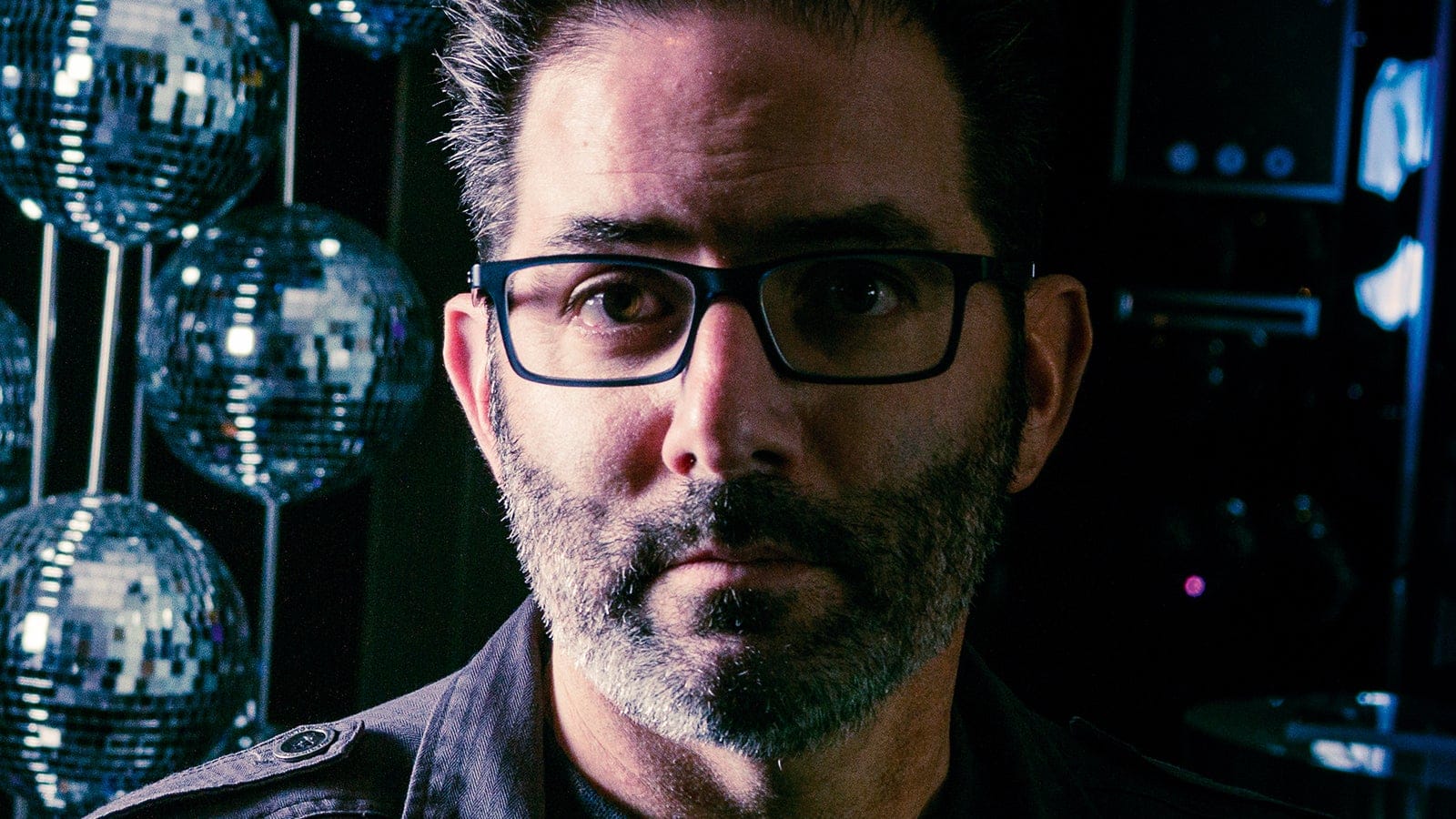
For many, the world of gaming lives and breathes in the comment sections and subreddits. But for some, the ultimate act of self-preservation involves a total, almost clinical, disconnection. This is the philosophy adopted by Jeff Kaplan, the former director of Overwatch, who chose to completely avoid online discourse about Blizzard’s hero shooter to protect his own psyche.
Kaplan, who was once the endearing face behind the game, navigated a significant transition after leaving Blizzard Entertainment in 2021. Instead of immersing himself in the fan fervor surrounding Overwatch, he opted for a radical separation. He simply stopped searching for his name, stopped watching videos, and ignored the noise. As he put it, he told the algorithms, “Yeah, I’m not really interested in Overwatch anymore. I know you think I’m the Overwatch guy, but like, that’s just not for me anymore.”
This move wasn’t just about shying away from a game; it was rooted in a deeper understanding of identity and ownership. Kaplan noted that the experience of working on Overwatch felt like a training moment, pushing him toward the next step in his career. But the true shift came from reflecting on his past. He found that the emotional weight of leaving World of Warcraft—a game that had been the very core of his identity—was far more painful than stepping away from Overwatch.
He explained that being a developer felt intrinsically tied to the games he created. When he discovered that the games he worked on were owned by Blizzard, it became easier to move on. Kaplan viewed the situation as a pivotal moment: “Overwatch happened. I was a part of it. There’s a group there now, and Overwatch is now about them. Both the players and the developers, that’s their Overwatch now.”
This shift in perspective led to some bracing advice for the wider gaming community. When confronted by players who complain about games they will never actually play, Kaplan delivered a stark truth: “If a game comes out, and you don’t want to play it, and you’ve never played it? Shut the f up. No one cares.”
His journey reflects a broader theme about boundaries, ownership, and the often-unspoken complexities of the entertainment industry. Kaplan’s experience demonstrates that sometimes, the most valuable move is not engaging with the hype, but finding the quiet space required to redefine who you are outside of the narrative of the game itself.
Buy on Amazon
Credit
