Jesse Eisenberg Razzie for BvS damaged career
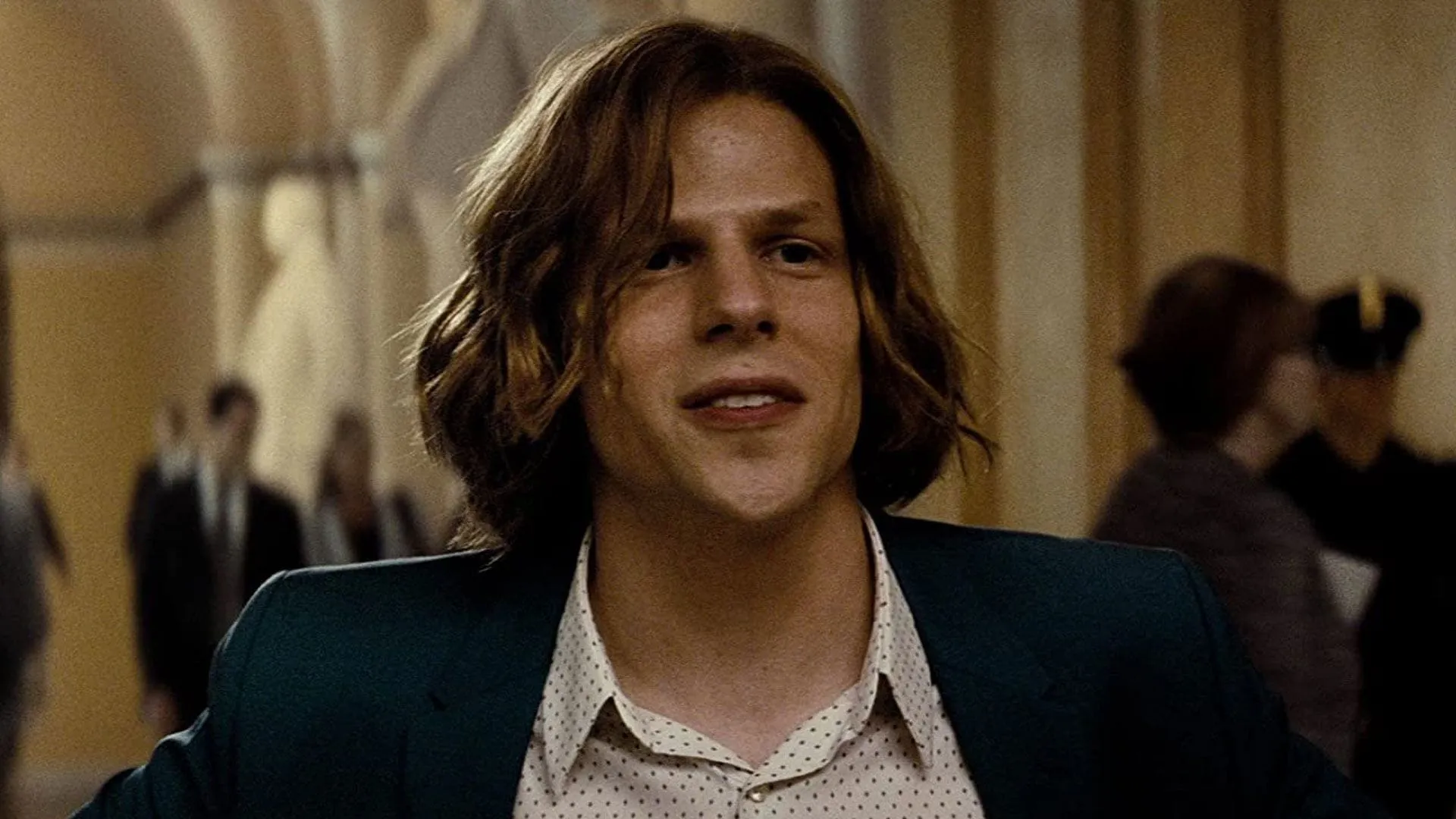
Every year, the glitz and glamour of the Razzie Awards offer a chance to celebrate cinematic failure. But for some stars, the ceremony serves less as a joke and more as a pivotal moment of career reckoning. For actor Jessie Eisenberg, winning one of these infamous accolades deeply shifted his trajectory, revealing a fascinating commentary on the pressures of the entertainment industry.
The recognition came in 2016, when Eisenberg received the Razzie, or The Golden Raspberry, for worst supporting actor in the film Batman v Superman: Dawn of Justice. While the movie itself was notorious, the award highlighted a specific feeling for Eisenberg: a sense of being trapped by expectations within the superhero genre.
For Eisenberg, the award was more than just a funny gesture; it was a wake-up call. He suggested that the recognition stemmed largely from a deep-seated fear, indicating that the pressure to conform to a particular mold had begun to feel suffocating.
This experience prompted a significant change in direction. Eisenberg realized that the industry, and perhaps himself, had not desired him in that specific type of film. This realization spurred him to question his path, leading him to pursue creative avenues outside of acting.
“The industry tells you what they want from you,” Eisenberg noted. “The industry did not want me to be in a superhero movie, and if you’re smart and self-aware, you learn that quickly.”
Rather than remaining confined to the superhero genre, Eisenberg decided to pivot. He turned his focus toward writing and directing, seeking a space where he could exert more control over his creative output. He argued that if the industry wanted him involved in superhero cinema, they would not have awarded him for poor acting.
This shift laid the groundwork for a new creative career. Since the release of Batman v Superman, Eisenberg has channeled his energy into various projects, including writing and directing films such as When You Finish Saving the World and the critically acclaimed Real Pain.
Yet, Eisenberg remains engaged in performance, continuing to star in projects like Vivarium, and participating in sequels such as Zombieland: Double Tap and Now You See Me: Now You Don’t. His journey demonstrates a willingness to redefine success, proving that sometimes, the greatest artistic moves come from stepping away from the path that was expected of you.
Buy on Amazon
Credit