John Romero confirms Doom FPS is saved after Xbox abandonment
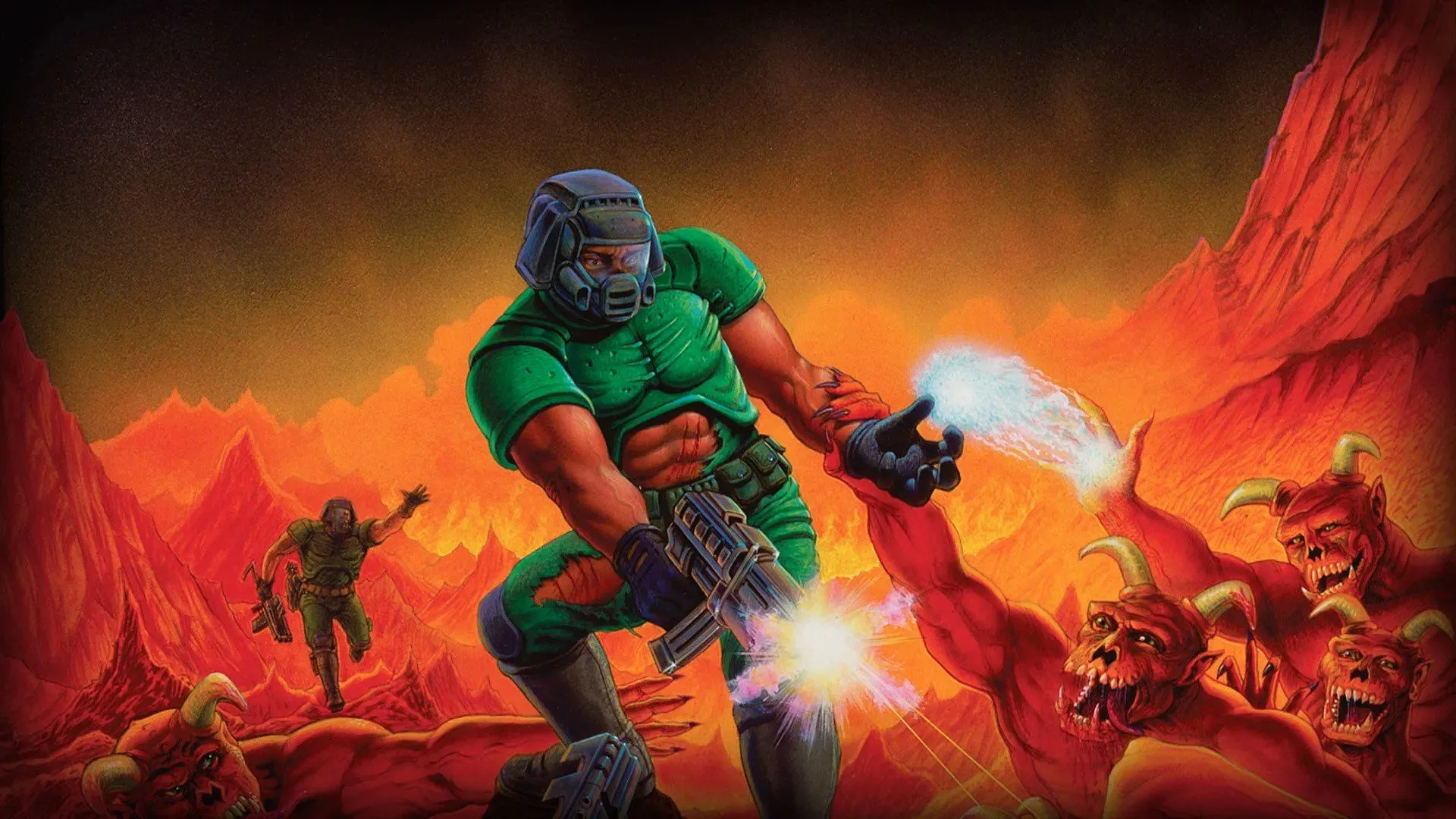
When the industry winds down, sometimes the most ambitious projects are the first casualties. That’s the reality that faces id Software co-founder John Romero, a man known for pioneering some of the most influential titles in gaming. His studio had been chasing an exciting new direction—an “all-new FPS with an original, new IP”—since 2022. But in the wake of massive corporate shifts, that ambitious vision seemed to hit an unexpected roadblock.
The backdrop for this struggle was the brutal reality of industry consolidation. As major players, including Microsoft, implemented increasingly severe layoffs, the fate of Romero Games hung precariously in the balance. The studio, already grappling with funding and the fallout from previous cuts, found itself at risk of shutdown, especially after the announcements signaled further restructuring.
The project, which had once been a beacon of hope, appeared to be shelved. However, over the course of a year, the creative spirit of the team refused to be extinguished. Instead of accepting defeat, Romero and the remaining developers executed a remarkable pivot, transforming the setback into a complete reinvention.
The story of recovery lies in the small, tenacious group that remained. Facing the necessity of downsizing, the team dramatically reduced its size, eventually moving from 110 staff members down to just five. But from this leaner foundation, they didn’t just survive; they regrouped. They managed to bring back ten key members—the leads from the various sub-teams—who carried the torch of the legacy forward.
The focus shifted from finishing the original massive scope to creating something impactful within the new reality. Romero explained that the original game was simply too large for the team size. The solution wasn’t to force the original vision, but to embrace a complete redesign, leveraging the foundational assets—the great art and cool weaponry—from previous projects to build something entirely new.
This creative recalibration brought about a refreshingly hands-off partnership with a new publisher. Romero found that the new relationship was ideal: the publisher has zero creative demands. They are effectively allowing the team to make what they want, removing the stifling pressure of external creative goals. It’s a deal built on trust and autonomy.
This renewed freedom allowed the team to focus purely on execution, and the results speak for themselves. Romero lauded the developers who carried on the legacy, noting that the recent games demonstrated “real care, skill, and respect.” It’s a powerful reminder that even when the corporate landscape shifts dramatically, true innovation thrives when creativity is given the space and freedom to breathe.
Buy on Amazon
Credit