JRPG live service games: Preserved or lost after the gacha shift
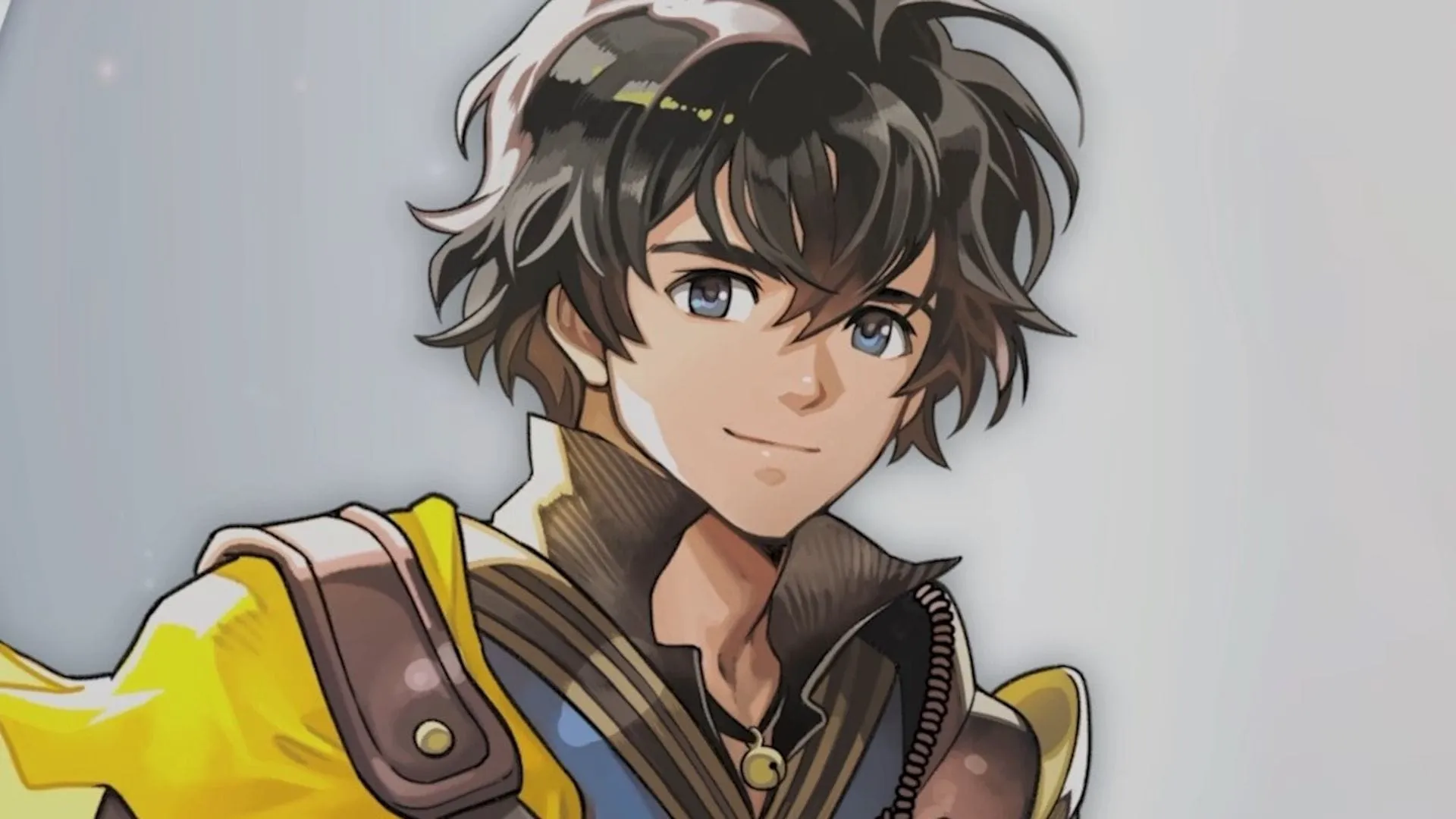
The future of gaming isn’t just about chasing the newest updates; it’s about preservation. A fascinating trend is emerging where developers and creators are choosing to pivot from sprawling live-service models to standalone, premium experiences, ensuring beloved worlds don’t simply vanish after service ends.
This movement is exemplified by titles like Final Fantasy Resonance and Octopath Traveler 0, which are leading a resurgence of traditional JRPGs based on games that have been successfully adapted and preserved. Producer Shinnosuke Hirasawa, who oversaw the overhaul of Another Eden: The Cat Beyond Time and Space, views this shift as wonderful. He recognizes that live-service games, while popular, face an inherent challenge: once the services are terminated, the games risk becoming unplayable, and the scale of development often begins to shrink over time.
The solution, it seems, lies in stepping away from the constant service treadmill. Instead of relying solely on live mechanics, creators are opting to strip away these systems and reinvest that creative energy into deeper narrative content. This approach allows games to remain vibrant and relevant long after they’ve been released.
The results are compelling. Titles like Octopath Traveler: Champions of the Continent and Final Fantasy Brave Exvius have adopted this philosophy, focusing on filling those gaps with rich, compelling story content to appeal to a broader audience of non-mobile gamers. It is a conscious decision to transform a service into a lasting, standalone masterpiece.
This pursuit of longevity isn’t just an artistic choice; it reflects a larger concern about digital rights and preservation in the gaming world. As debates escalate around the end of service, the push for official offline versions and digital preservation becomes more critical. Even massive, current online titles, like Genshin Impact, face the inevitable question of what happens when development slows or stops.
This trend perfectly aligns with broader efforts to secure game history. It highlights a desire to keep incredible creations accessible, ensuring that the works of talented developers and their dedicated communities endure. It’s a call for games as a medium to be valued and kept alive for generations to come.
Buy on Amazon
Credit