Kamiya wants paper bags over RE enemies: “It’s not a joke”
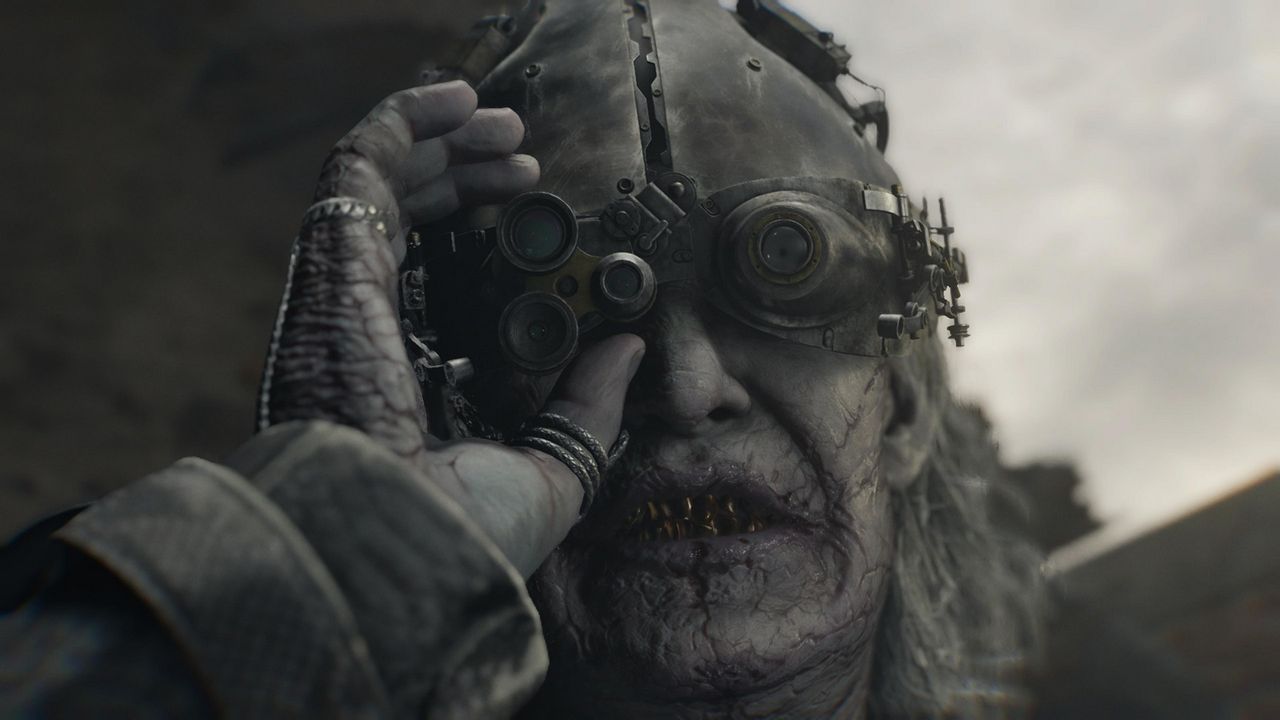
The world of survival horror is defined by atmosphere, tension, and, let’s face it, scares. But for some legendary figures who helped define the genre, the line between compelling horror and outright anxiety can become a tricky boundary. Legendary Capcom veteran Hideki Kamiya, known for masterpieces like Resident Evil 2, has recently voiced a frustration that strikes at the very heart of modern horror game design: some newer entries from the studio are simply too frightening for his taste.
Kamiya is not kidding around when he suggests that games like Resident Evil Requiem are overly spooky. In a recent interview, he passionately argued that developers should consider players who simply cannot handle intense horror, advocating for a solution that allows everyone to enjoy the narrative and the puzzles without being overwhelmed by the dread.
This sentiment isn’t unique among those immersed in the genre. Even directors who have crafted some of the most successful horror experiences have admitted that their creations pushed the limits of fear. For instance, the director of Resident Evil 7, Koshi Nakanishi, has similarly acknowledged that his game was “possibly too scary” for some audiences.
The discussion boils down to a core tension: how do you balance the visceral thrill of horror with the desire for pure gameplay enjoyment? For Kamiya, the issue isn’t the quality of the scares, but the delivery mechanism. He expressed a desire for a non-horror mode—a way to experience the world and the puzzles without the oppressive atmosphere—stating that he genuinely wished the developers would make such an option available.
He pointed out that this desire stems from a feeling that the creators of these titles sometimes seem oblivious to just how terrifying their work actually is. In his view, the solutions for managing the experience shouldn’t involve making the environments less ominous, but perhaps adjusting the visual elements—suggesting something as simple as pleasant mood lighting instead of perpetual dark, dingy rooms.
Ultimately, Kamiya’s critique serves as a powerful reminder that game development involves more than just crafting jump scares; it involves designing an experience for a diverse audience. Whether you are a veteran player or a newcomer, the goal should be shared enjoyment, allowing all flavors of players to appreciate the stories and the intricate challenges that Capcom is known for.
Buy on Amazon
Credit