Kingdom Come 2: Breaking free from repetitive RPGs
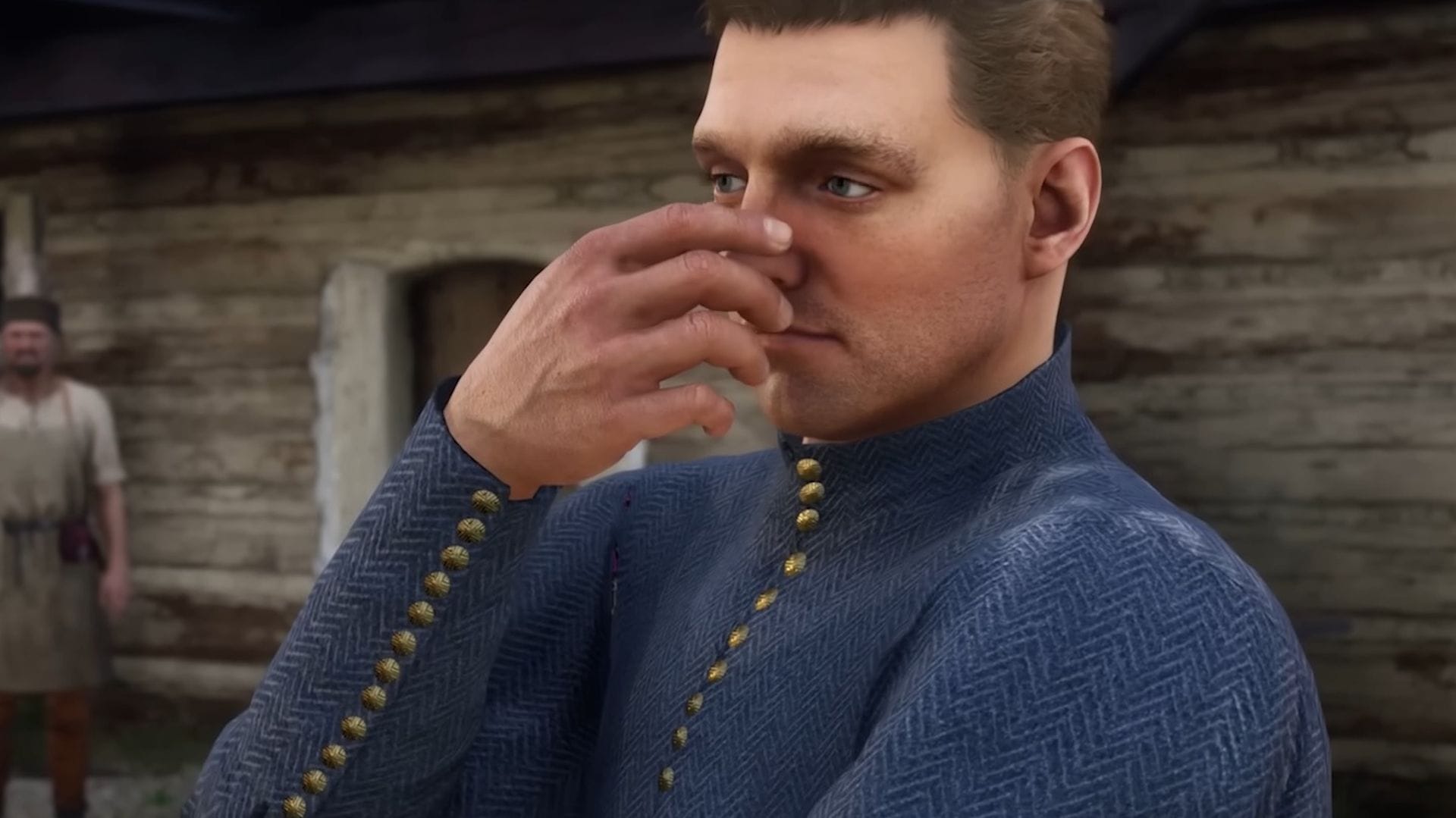
In the sprawling, often predictable world of role-playing games, a subtle but persistent fatigue is setting in. For too long, the genre has relied on well-worn tropes: the protagonist blessed with a destiny, the quest to defeat a cartoonishly evil villain, and a predictable cast of side characters. It’s time, some argue, for a fresh coat of paint on the established formula.
Warhorse Studios, known for their commitment to historical realism in titles like Kingdom Come: Deliverance, actively rejects these clichés. Co-founder Martin Klíma has voiced a growing weariness with the standard RPG narrative, expressing that he is tired of the predictable narrative of the “chosen one” saving the universe.
“I was really and I still am bored and tired of all the RPGs when you are this chosen one, when you have this grand task of saving the universe,” Klíma notes. While he acknowledges that a good power fantasy is inherently fine, he points out that repetition is the real issue. The core gameplay loop, while engaging, often falls into a repetitive pattern that stalls genuine innovation.
This feeling of repetition is echoed across the industry. Games lauded for their epic scope, such as Final Fantasy 7 and Oblivion, exemplify these traditional power fantasies. Even newer, ambitious titles like Clair Obscur: Expedition 33 share this structural DNA. The weight of the world on the player’s shoulders is a classic narrative device, but it risks becoming a tired cliché if not handled with fresh creative input.
The need for innovation extends beyond pure RPGs. Klíma observes that other genres also suffer from a formulaic approach. Games like Assassin’s Creed and Far Cry, while successful, often feature cookie-cutter elements that can feel stale after repeated plays. This suggests a broader trend: when the formula is followed too closely, the novelty fades quickly.
Yet, the path forward isn’t about abandoning epic storytelling entirely, but about finding a better angle. The deep historical realism offered by the Kingdom Come series provides a unique form of escapism that stands apart from more conventional fantasy epics. It offers a grounded experience that is just as compelling, if not more so, than the weight of destiny.
Ultimately, the fatigue felt by long-time gamers signals a demand for originality. There are many players who are not looking for the tired cycle of the chosen hero, but for inventive, well-made experiences. This desire points toward a future where game designers prioritize unique world-building and novel mechanics, moving beyond the well-trodden paths of the traditional RPG formula.
Buy on Amazon
Credit
